Moscato
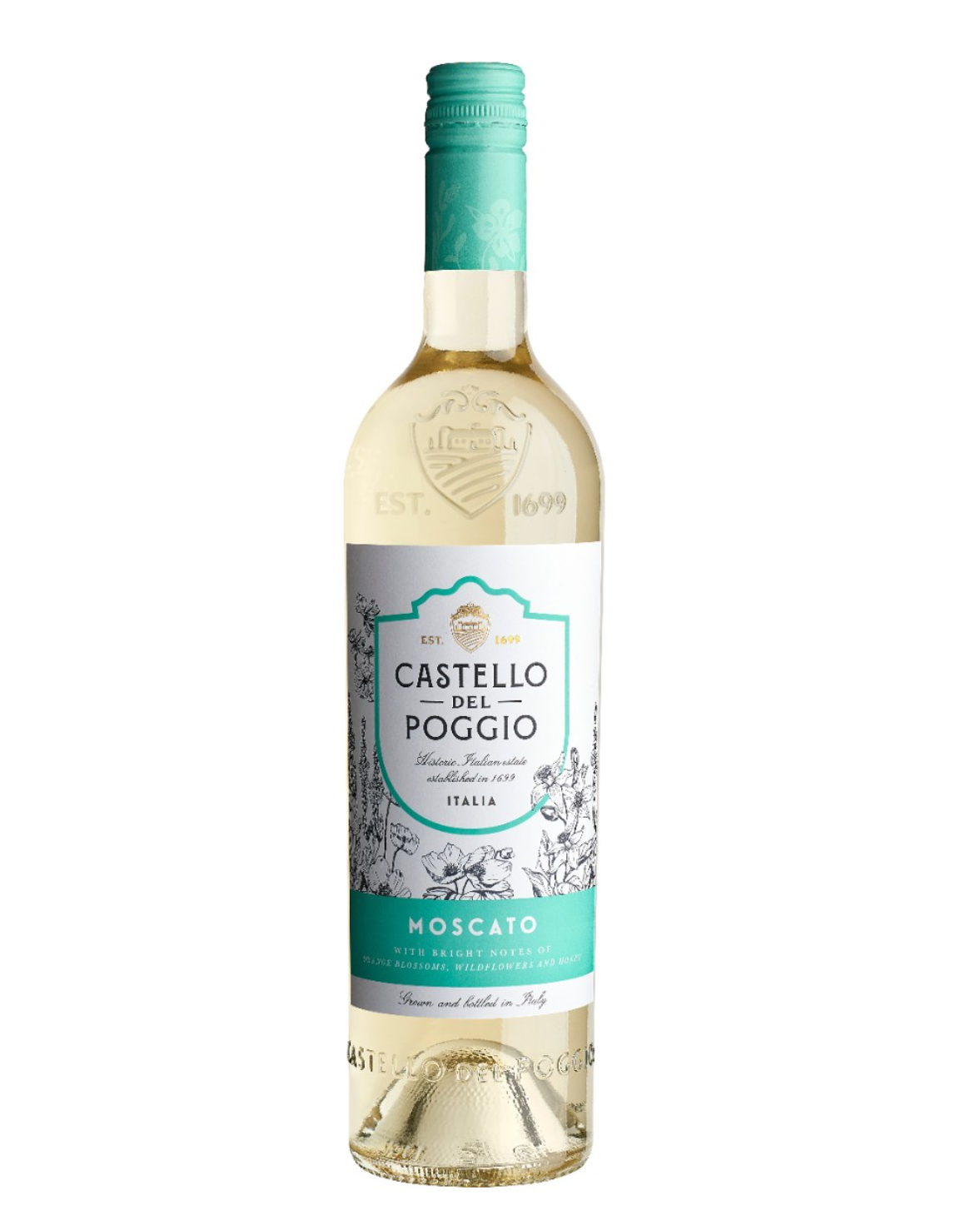
Tasting Notes
Moscato wine originated from the ancient Muscat grape. The grape spans thousands of years and can be traced back to the Middle East and North Africa. It is thought to be originally cultivated in the 4th century B.C. The grape grew in popularity during the Roman era as cultivation of this grape expanded. The Moscato grape is incredibly expressive and can produce wines in styles ranging from dry to sparkling including dessert wines.
🎯 Overall Character - Moscato is perfumed, fruity and floral. Its clean and lightly sweet. It’s low alcohol and high aromatics make it a crowd‑pleaser especially with spicy or sweet‑leaning dishes.
🌸 On the Nose (Aromatics) - Primary Aromas include orange blossom, rose petal and jasmine. Fruit aromas comprise of peach, apricot, nectarine, mandarin, Meyer lemon and tangerine. The notes of fresh grapes is a Muscato hallmark. One will find subtle tropical notes of lychee, pineapple and passion fruite along with herbal notes of sage, mint and basil. Secondary aromas present are honey, white team and candied citrus. In the sparkling wines there are notes of brioche and light pastry.
🍑 On the Palate - Moscato is a light to medium body wine with medium to high acidity and a soft, silky texture. The alcohol level is relatively light typically between 5-9%. Fruit flavours vary depending on the sweetness of the wine:
Dry Moscato: citrus, herbs and a floral lift
Off‑dry: peach, apricot and honeyed citrus
Sweet / Sparkling (Moscato d’Asti): ripe peach, mandarin, honey and floral aromas
🕰️ Aging Profile - Moscato wine is intended to be consumed as a young wine. between 1-2 years or 3+ from premium vintners. This is the optimal aging to enjoy the wine’s fruity and intensely floral characteristics.
Food Pairing
Moscato is sweet, low‑alcohol, fruity, floral, and often lightly sparkling. This makes it incredibly versatile. It is a perfect match for Sweet and Spicy dishes, Sweet and Salty dishes and Sweet and Fruity dishes.
🌶️ 1. Spicy Asian & Global Cuisine - Moderately spicy dishes pair well with Moscato wine. Ideal pairings include Thai crab curry, Spicy chicken wings, Indian curries, Thai larb, Spicy sushi, Spicy stir‑fry and Spicy bean burgers. Moscato’s sweetness cools chili heat while its fruitiness complements aromatic spices.
🧂 2. Salty & Savory Foods - Sweet Moscato loves salt — it creates balance and contrast. Ideal pairings include Salami, Prosciutto, cured meats, Bruschetta and Raw vegetables. Salt sharpens Moscato’s fruit and floral notes.
🐟 3. Light Seafood & Mild Proteins - For non‑spicy dishes, Moscato pairs well with delicate proteins such as Cod, Shrimp and Chicken.
🥗 4. Vegetarian & Plant‑Based Dishes - Moscato works beautifully with aromatic, lightly spicy, or herb‑driven vegetarian dishes. Best matches include Pasta with pesto, Vegetarian Pad Thai, Chickpea curry and Salads with nuts.
🧀 5. Cheese Pairings - Moscato handles strong cheeses surprisingly well. Ideal cheeses pairings would be Blue cheese , Camembert, Brie and Sheep cheeses.
🍰 6. Desserts & Fruit‑Driven Dishes - Moscato is naturally dessert‑friendly especially with fruit. Ideal pairing include Light, fruity desserts that have peach, nectarine or citrus and Fresh fruit platters.
🚫 7. Foods to Avoid - Steak, Roast beef, or Meatloaf . These foods are too heavy for Moscato. Avoid Chocolate or coffee desserts . The bitterness in these foods overwhelms the wine.
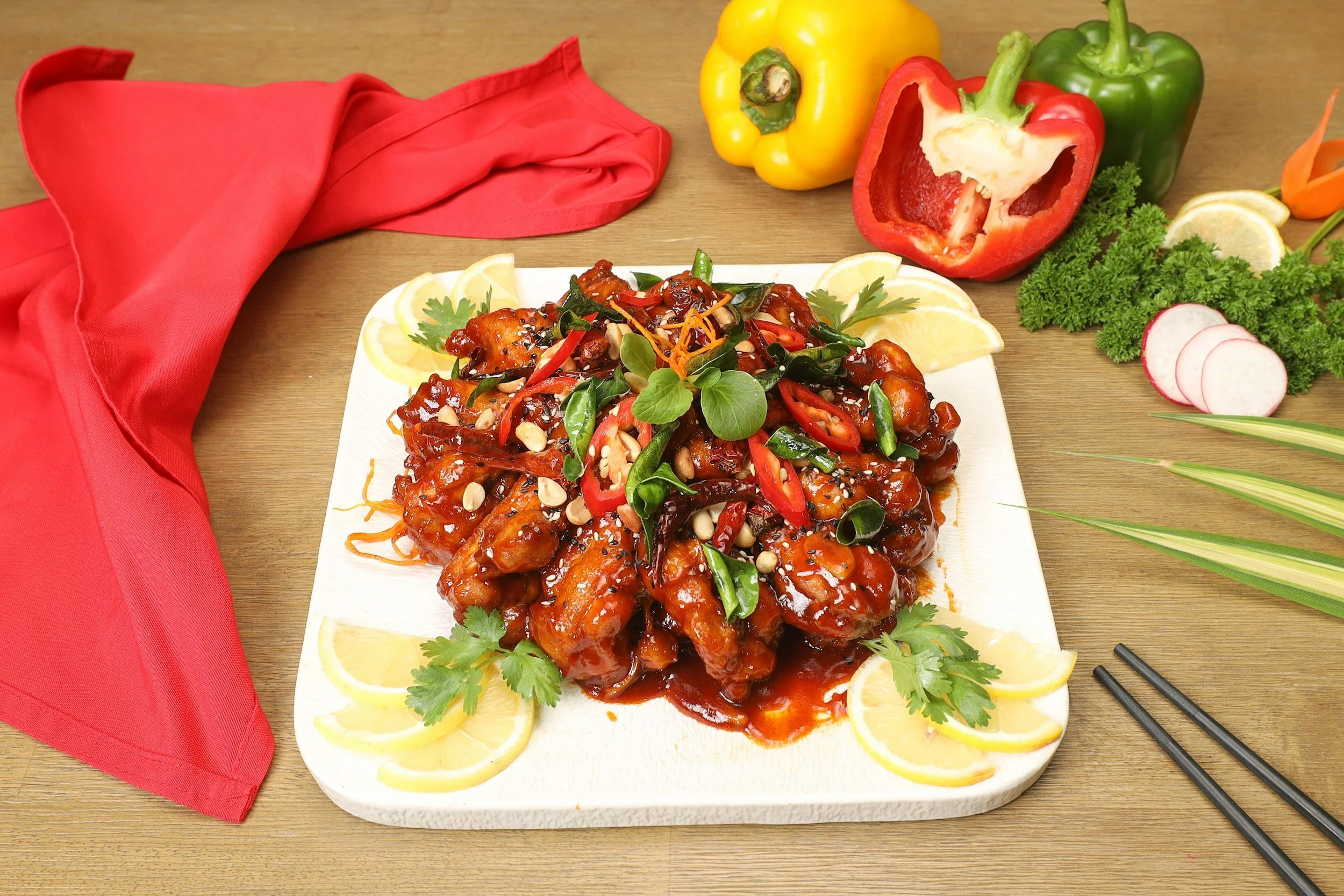
Spicy Chicken
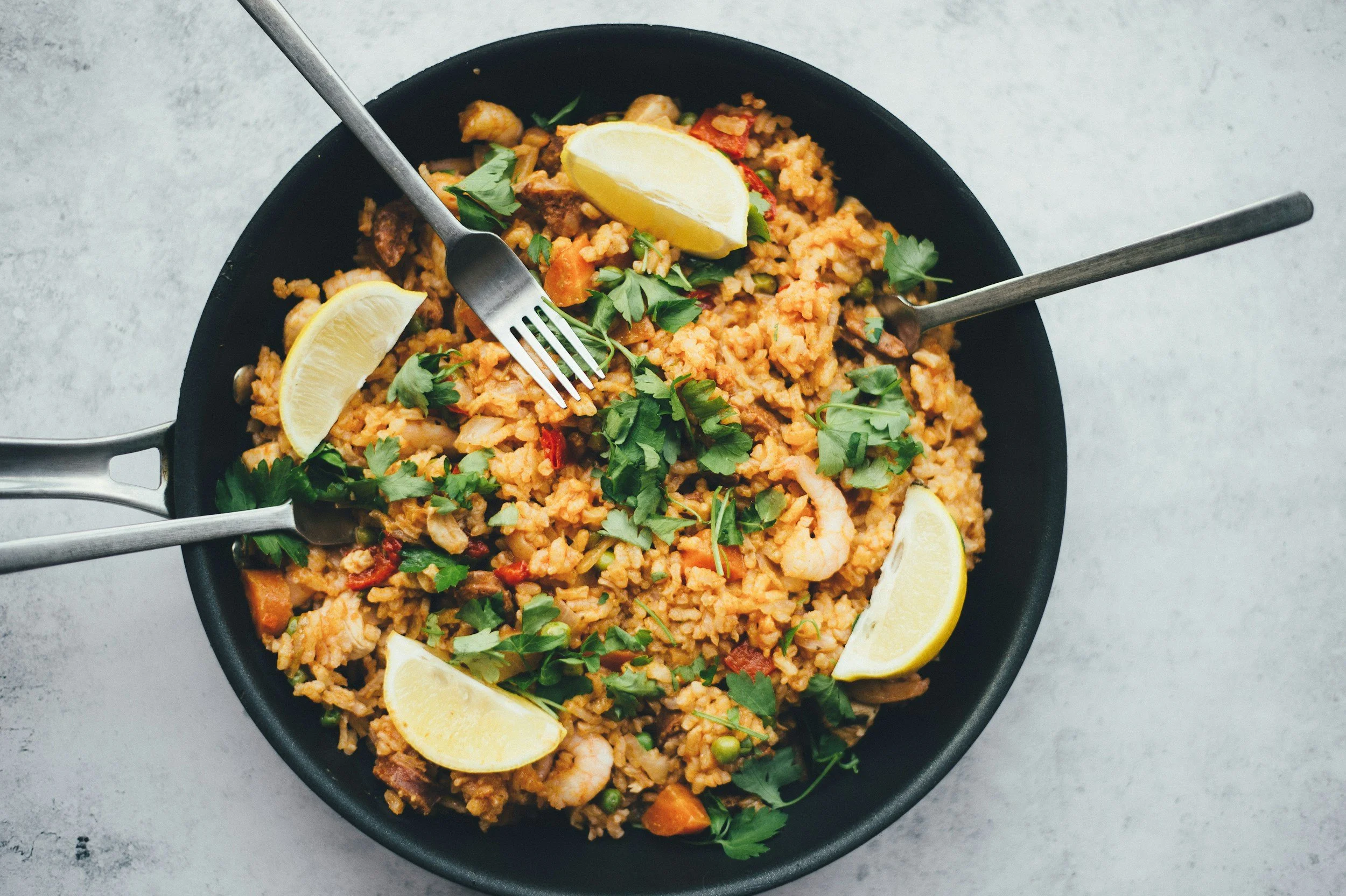
Spicy Stir Fry
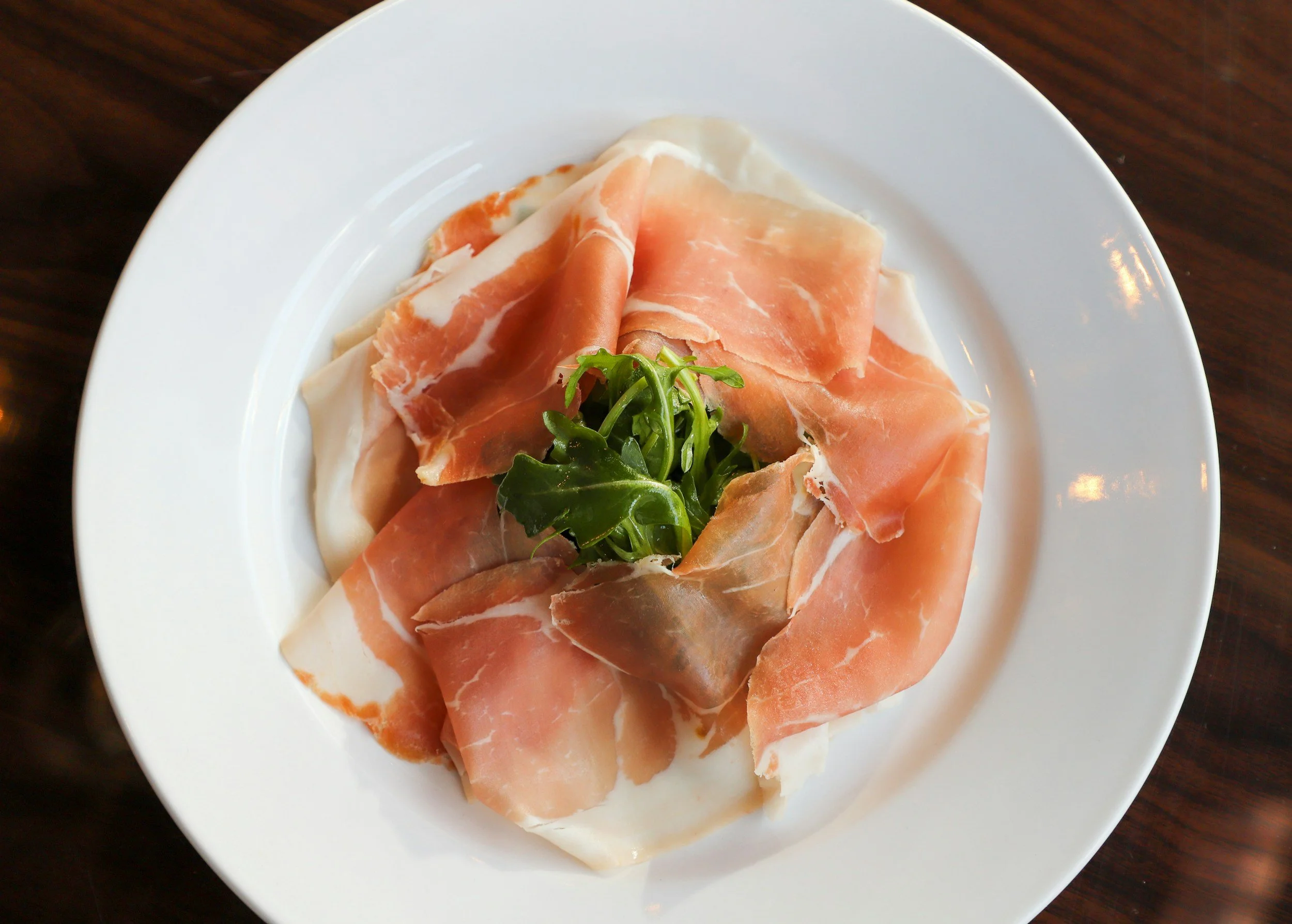
Prosciutto
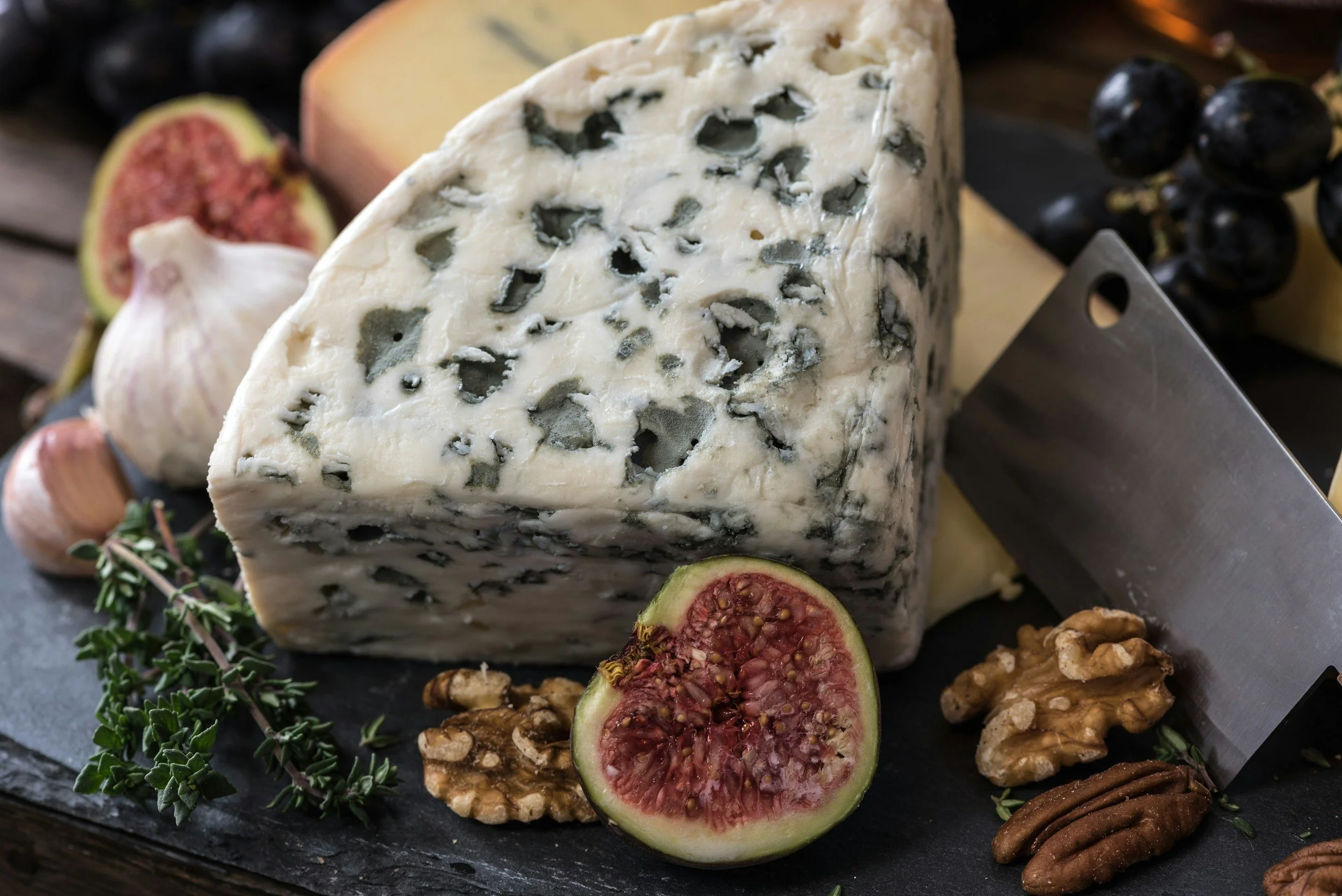
Blue Cheese