Wine Essentials - Types, Styles and Characteristics
Majority of wines fall into this category and it is what we think of wine. Typically the alcohol levels are between 8-15% in still wine regardless of colour. Many still wines are named after the region they are produced (Chianti, Rioja, Burgundy, Bordeaux) or the grape variety used (Cabernet Sauvignon, Merlot, Riesling).
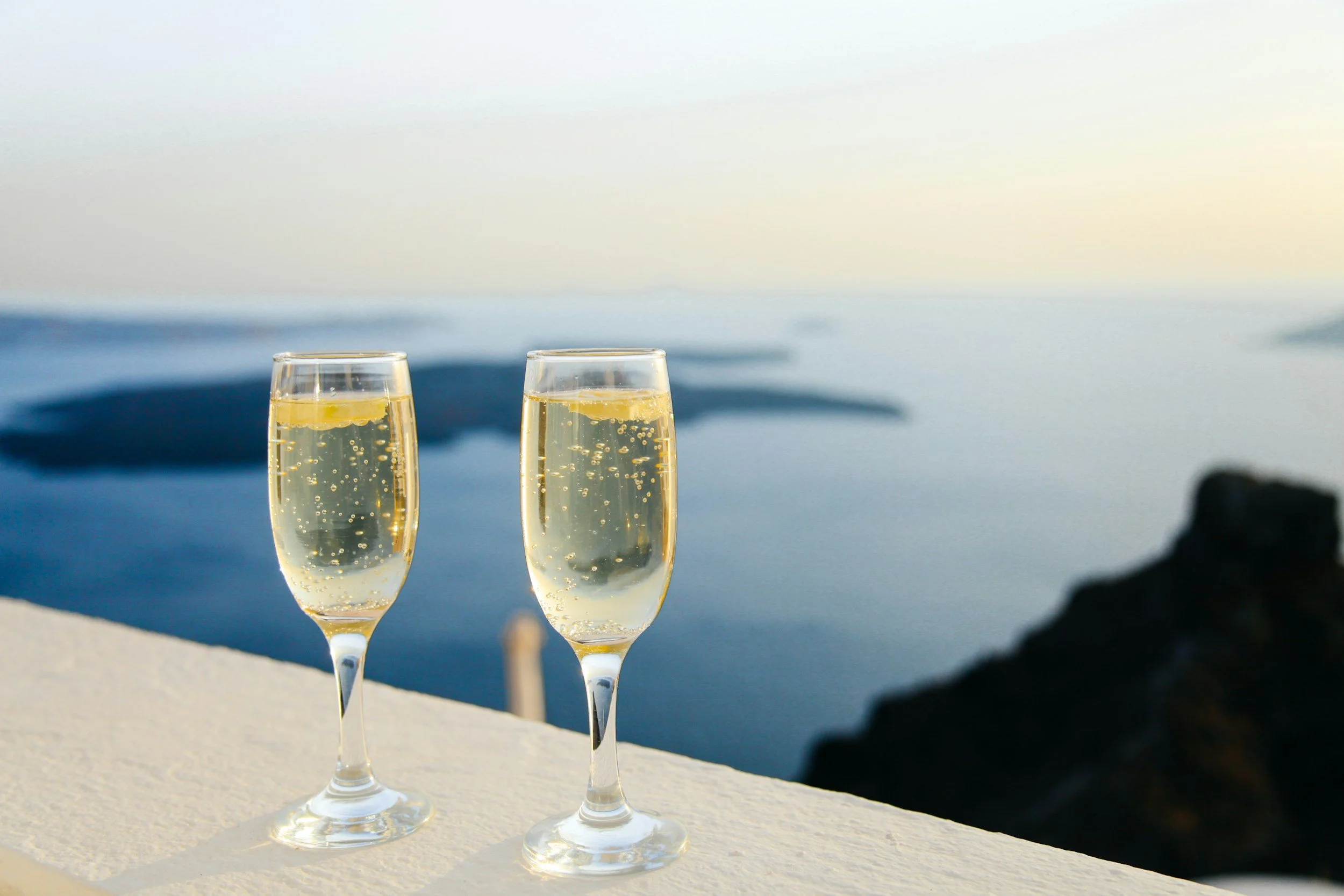
Sparkling Wines
Wine Types
Still Wines
These are sparkling or carbonated wines (fizzy or bubbly) and almost always white or rosé. Carbon dioxide gas trapped in the wine during fermentation causes the fizz. Examples of this type of wine is Champagne from France, Prosecco from Italy and Cava from Spain. There are red sparkling wines such as Brachetto and Lambrusco but the vast majority are white or rosé.
Fortified Wines
These are wines that have been fortified with the addition of alcohol during or after the fermentation process. This being the case, fortified wine has higher levels of alcohol ranging from 15%-22% and typically a longer shelf life. Examples of fortified wines include Sherry from Spain and Port from Portugal.
Wine Styles - Still Wines
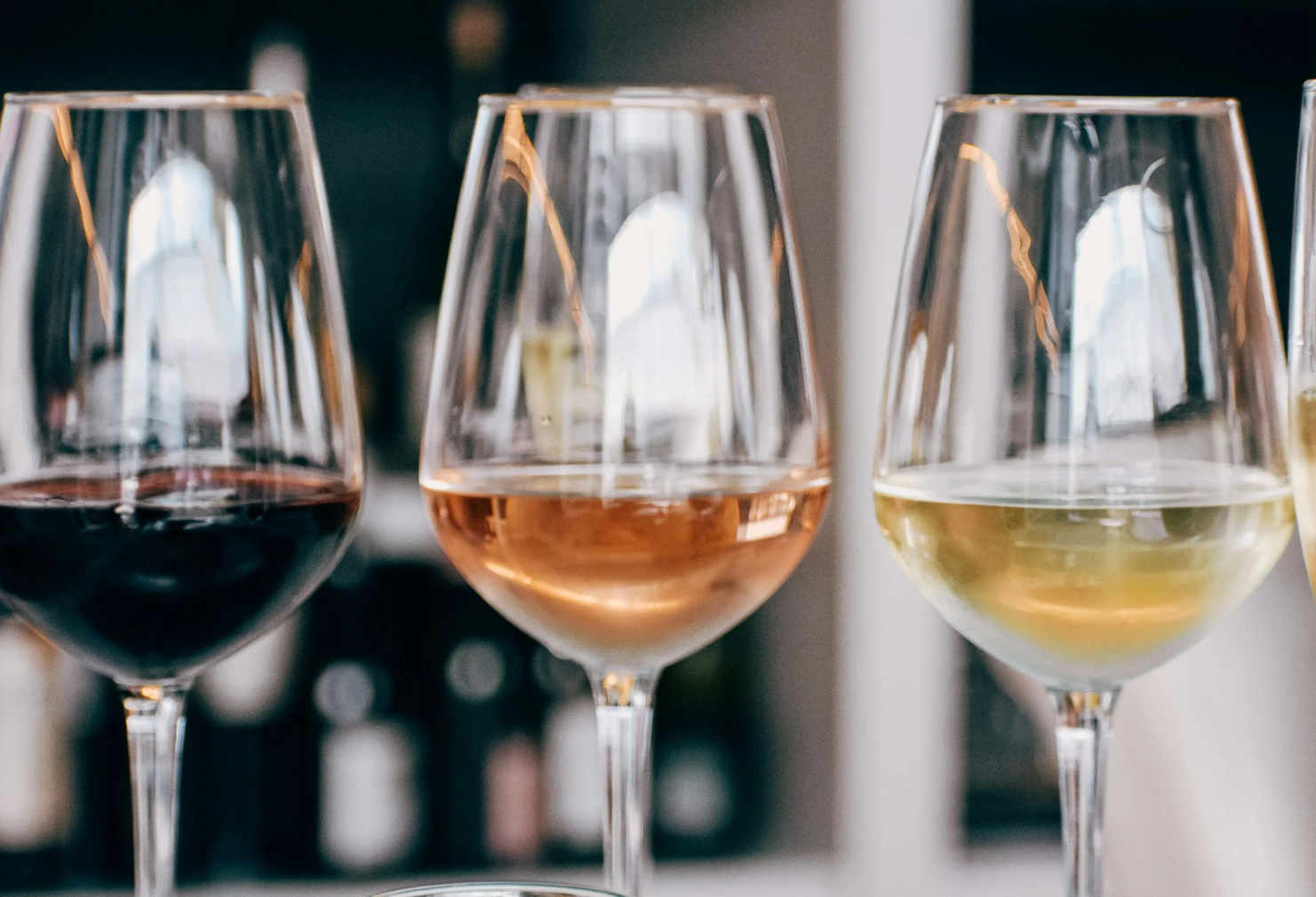
Red wines must be made using black grapes. The coloured grape skins stay with the grape juice during fermentation, bringing colour to the wine. Red wines are typically aged in oak barrels, are bolder in flavour, deeper in colour, higher in tannins, and produced in warmer regions compared to white wine. Examples of red wines include Rioja from Spain, Chianti from Italy and Cabernet Sauvignon from the US, France and Australia. 99 billion litres of red wine produced annually represents 43% of global wine production.
Red
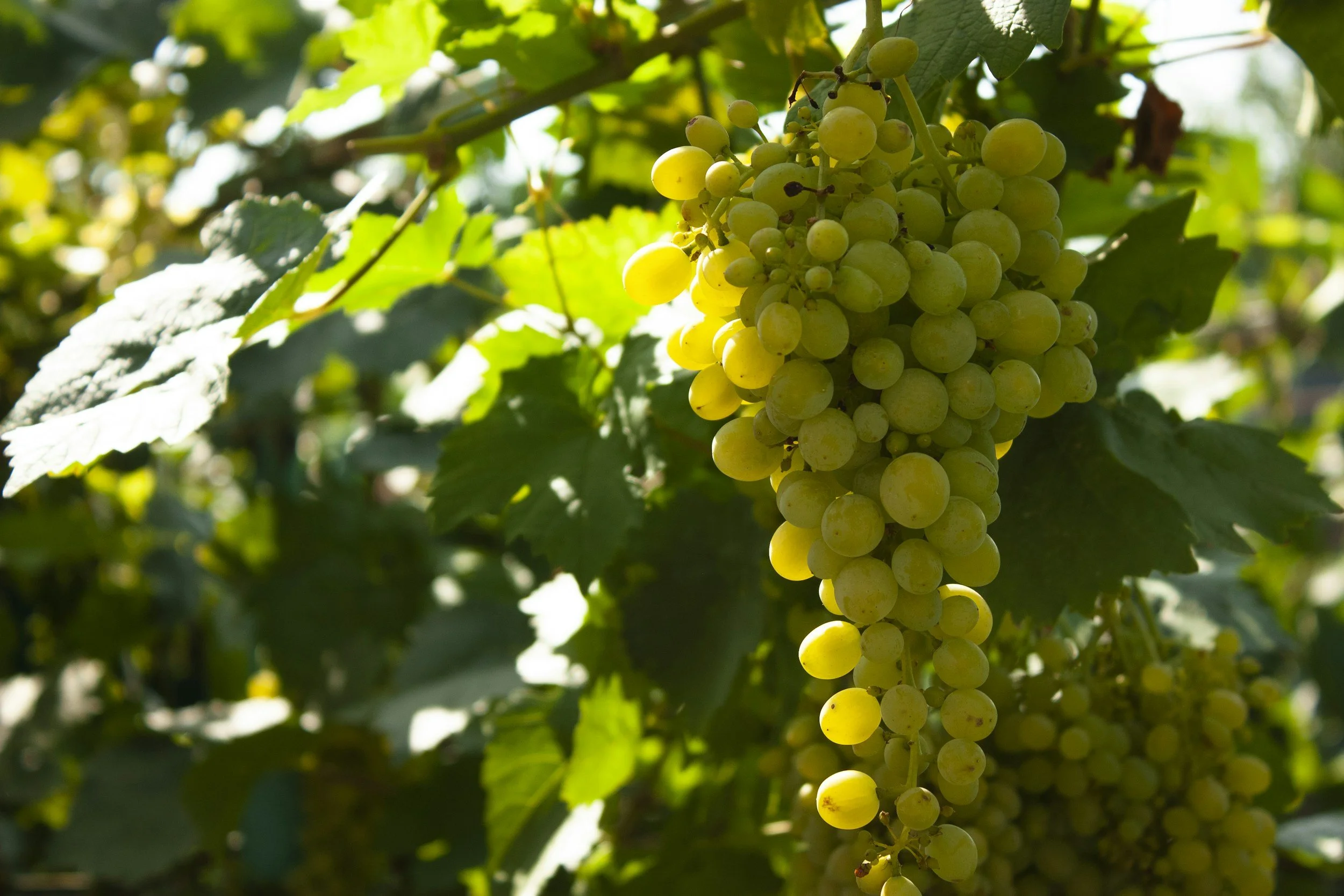
White wines are typically made using white grapes though one can make white wine using black grapes providing the skins are removed prior to fermentation. Examples of white wines include Chablis from France, Sauvignon Blanc from New Zealand, Riesling from Germany and Chardonnay from the U.S. and France. White wines are typically, younger wines, not aged in oak (Chardonnay is an exception), paler in colour, lower in alcohol, higher in acidity and produced in cooler and moderate climate regions. 113 billion litres of white wine produced annually represents 49% of global wine production * white wine surpassed red wine production in 2013 driven by popularity of sparkling wines.
White
Rosé wines are made from black grapes. The grape juice is left in contact with the grape skins for a short period before the juice is drained. The juice is only lightly coloured by the skins as a result. White Zinfandel is an example of a rosé wine. Rosé wines are typically not aged, have a pink hue, fruity aroma complimented with floral scents, low in tannins, lower in acidity and produced in warmer regions. 23 billion litres of rosé wine produced annually represents 8% of global wine production.
Rosé
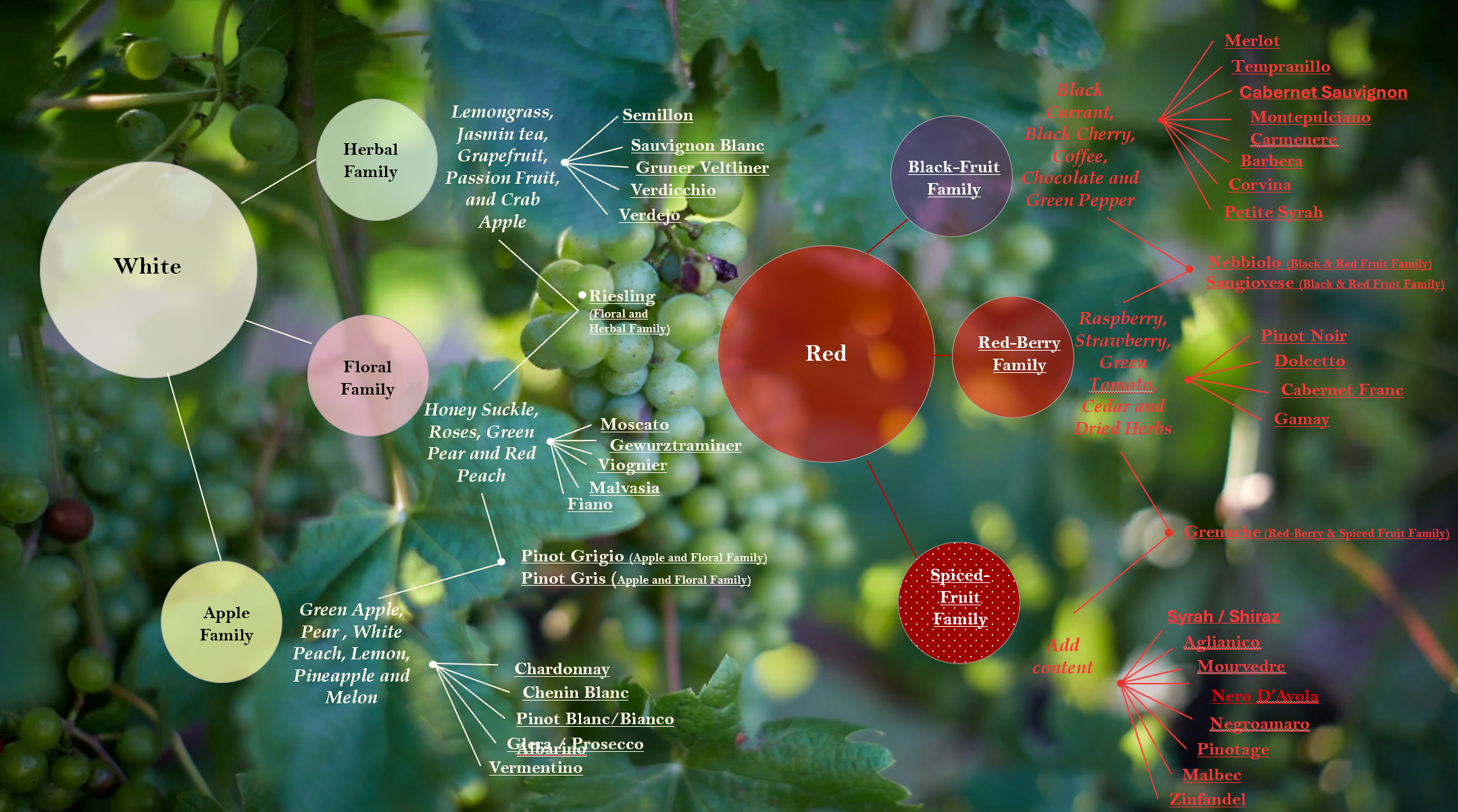
Wine Aroma and Flavour Families
Wines get their primary flavours from the grape itself. Red and White wines fall into three flavour families each with very distinctive flavour and aroma characteristics provided by the grape variety.
White wine flavour families:
•Fruit •Floral •Herbal
Red wine flavour families:
•Black Fruit •Red-Berry •Spiced Fruit
Note :
Flavour is also affected by regional factors such as temperature, drought, the specific vintage and Secondary and Tertiary flavours that come from the post fermentation process and maturation (eg. oak barrel aging)
White wines flavours specifically have a major dependency on the climate and grape ripeness
Riesling in a cool climate will have fruit flavours of green apple, pear and citrus. In a warm climate these flavours evolve to stone fruit (peach, apricot) and tropical (pineapple, mango).

White Wine Flavour Families
Red Wine Flavour Families

Red and White Wine Flavour Families
Wine Structural Characteristics
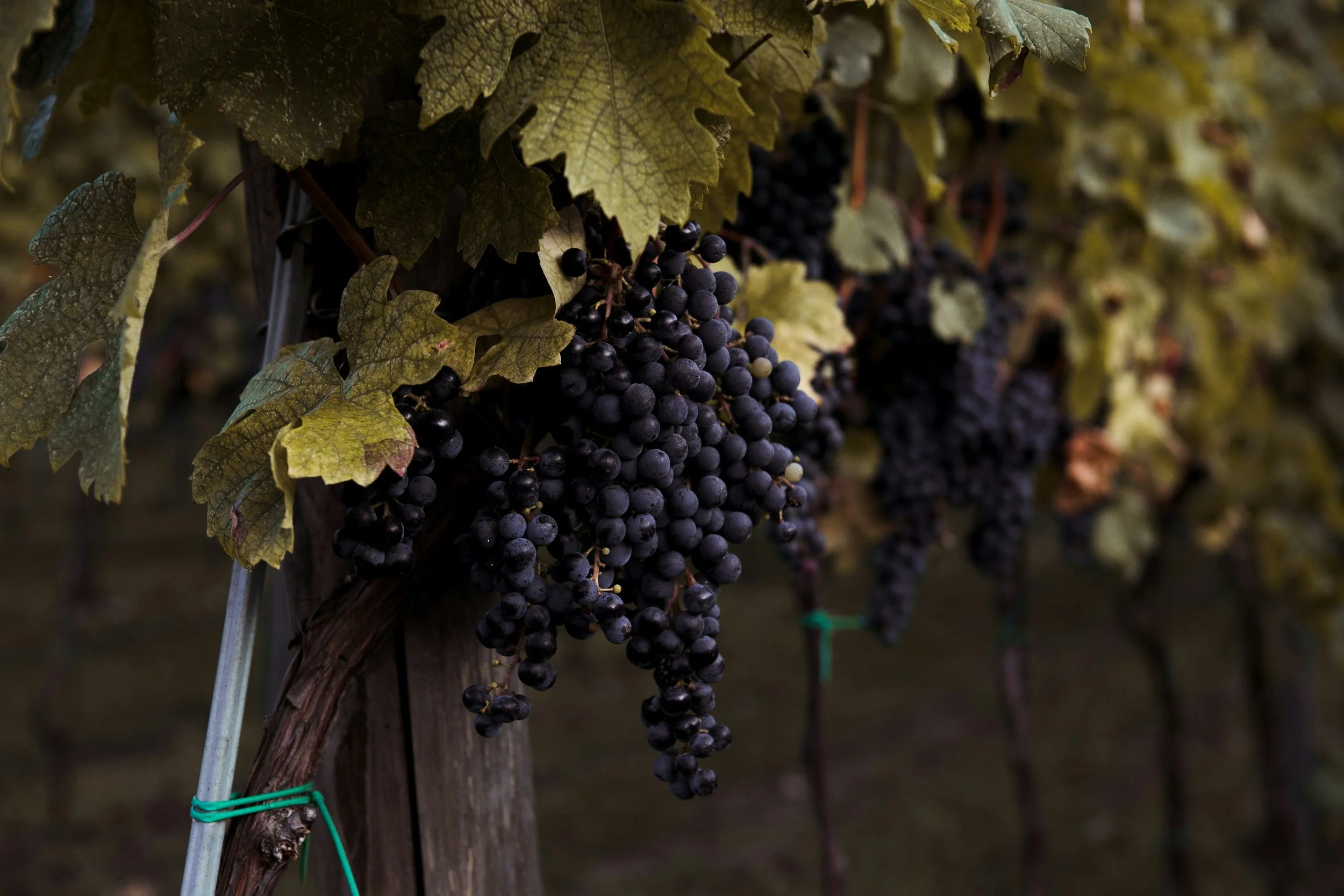
Structural characteristics:
Sweetness - Sweetness is a result of the residual sugar left in the wine after fermentation. Dry wines have little to no sugar, Medium wines have some sugar and Sweet wines have considerable sugar. For example, a dry Merlot typically has 2 grams of sugar per litre of wine, a Riesling with medium sweetness will have 15 grams of sugar per litre and a Port or Icewine considered a sweet wine will have over 100 grams of sugar per litre of wine. When pairing food with sweet wines, it is best to match the sweetness of the wine with the sweetness of the food or pair a wine with medium sweetness to a spicy dish.
Acidity - Acidity in wine comes from the grape pulp. It gives wine a refreshing characteristic and like acidic foods, it makes your mouth water. It also provides a balance against the sweetness in wine. Cool climate Chardonnay, Sauvignon Blanc, Reisling and Cabernet Sauvignon are examples of wines that are high in acidity. When pairing food with highly acidic wines, fatty or sweet foods balances the high acidity, thus is the best match.
Tannin - Tannin comes from the skin of the grape. The level of the tannin is dependent on the type of grape and the fermentation process used to make the wine. Wines with high tannins can make your mouth feel dry so the proper food pairing is quite important. Tannins also soften as the wine ages. White wines do not contain tannins since white wines are fermented without the grape skins. Cabernet Sauvignon, Shiraz, Chianti and Barolo are wines that have high levels of tannin. When pairing food with tannic wines, fatty or rich dishes like marbled steaks and aged cheeses pair well. The fat in these foods soften the tannins and enhance the wine’s fruitier flavours.
Alcohol - Alcohol is a byproduct of the yeast converting sugar to alcohol during the fermentation process. Still and sparkling wines (red, rose and white) typically have alcohol by volume of 8-15% . Fortified wines will be much higher in alcohol, typically between 15-22%. Still wines with high alcohol (eg Cabernet Sauvignon) is best paired with rich and fatty foods such as steak. The alcohol cuts through the fat enhancing the flavour of the dish. Wines with low alcohol (eg. Sauvignon Blanc) is best paired with lighter and more delicate foods or spicy dishes. The low alcohol will balance the spice in the hot dishes.
Body - Body or the “weight” of the wine typically describes how the wine feels in your mouth. It is driven by how much alcohol is in the wine. Light body wines (most white wines) have less alcohol and feel lighter or more delicate when you taste them. Red wines usually have higher levels of alcohol and feel heavier when you drink them. Pairing food to the weight of the wine ensures the wine compliments the food flavours. Light foods such as salads, shellfish or scallops typically taste better with light body wines such as Riesling, Pinot Grigio or Albarino. Heavier foods such as dishes with red meat usually taste better with Medium to Full body wines such as a Chianti, Rioja or Cabernet Sauvignon.
Aromas and Flavours - The majority of flavours come from the grape variety, where the grape is grown and the fermentation process. Secondary and tertiary flavours come from the post fermentation process and maturation. For example, wines aged in oak pick up various flavours such as vanilla, cedar, chocolate and coffee. Longer aging can add nut, spice and dried fruit flavours. Black grapes flavours (red wine) are typically grouped into 3 families. The Black Fruit family (blackberries, black currant, black plum, etc), the Red Berry family (strawberries, raspberries, cherry, red plums, etc) and the Spiced Fruit family (black pepper, white pepper, anise, etc). White grapes are typically grouped into three families. The Fruit family (green fruit, citrus, tropical and stone fruit), the Herbal family (green pepper, rosemary, thyme, tomato leaf and grass) and the Floral family (rose, violet, lavender, jasmine, elderflower and lily). Other factors affecting the aromas and taste is late harvest grapes, cool climate vs. warm climate, fermentation, post fermentation process and the maturation / aging process.
Did you know ?
Smell vs. Taste - Humans can discern over 10,000 smells but only 6 sensations can be detected with the human tongue - Of the 6 taste sensations, only 2 (sweetness and acidity) are important when tasting and drinking wine. Other taste sensations come from the food and its interaction with the wine (eg. saltiness, bitterness, fatty).
Wine Aromas and Flavours - Wine has over 100,000 Aromas and Flavours - Humans detect less than 10% - The vast majority of flavours come from the grape variety itself, where it was grown and when harvested. Other flavours come from the fermentation process, post fermentation process and the aging process.
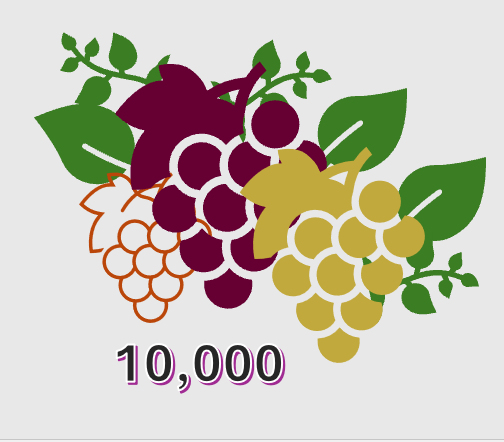
Unique Grape Varieties - There are over 10,000 different grape varieties that exist today.
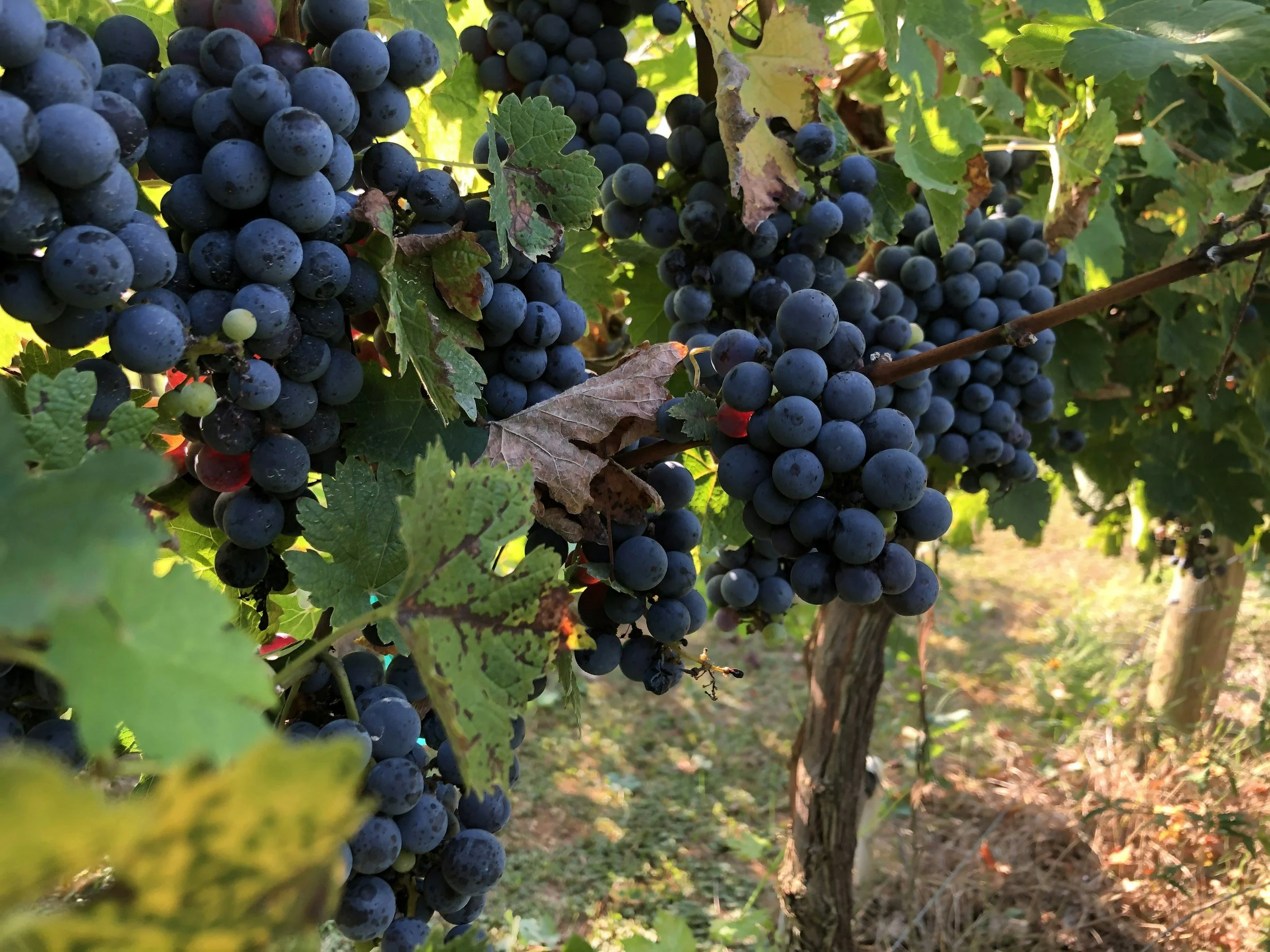
Most Widely Planted Grape
Cabernet Sauvignon is the most extensively cultivavted grape in the world
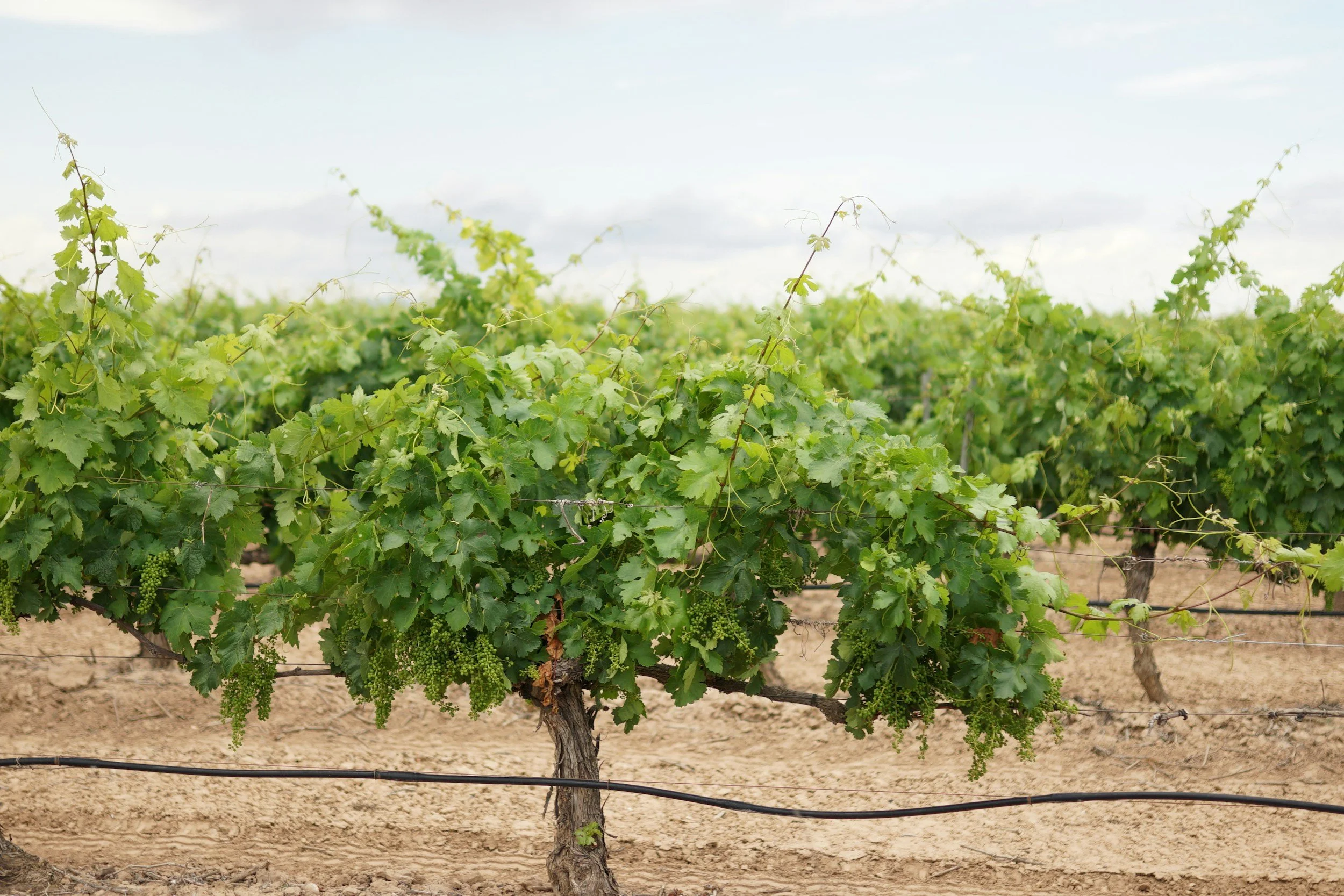
Life Span of a Grape Vine - A vine’s biological life can span centuries however it’s productive life span is typically measured in decades. Depending on its environment and care, the average life span of a commercial vine is 25-50 years. High value vineyards often maintain vines up to 70 years. Oldest documented fruit bearing grape vine is 450 years old in Maribor Slovenia. – use pic of grape vines
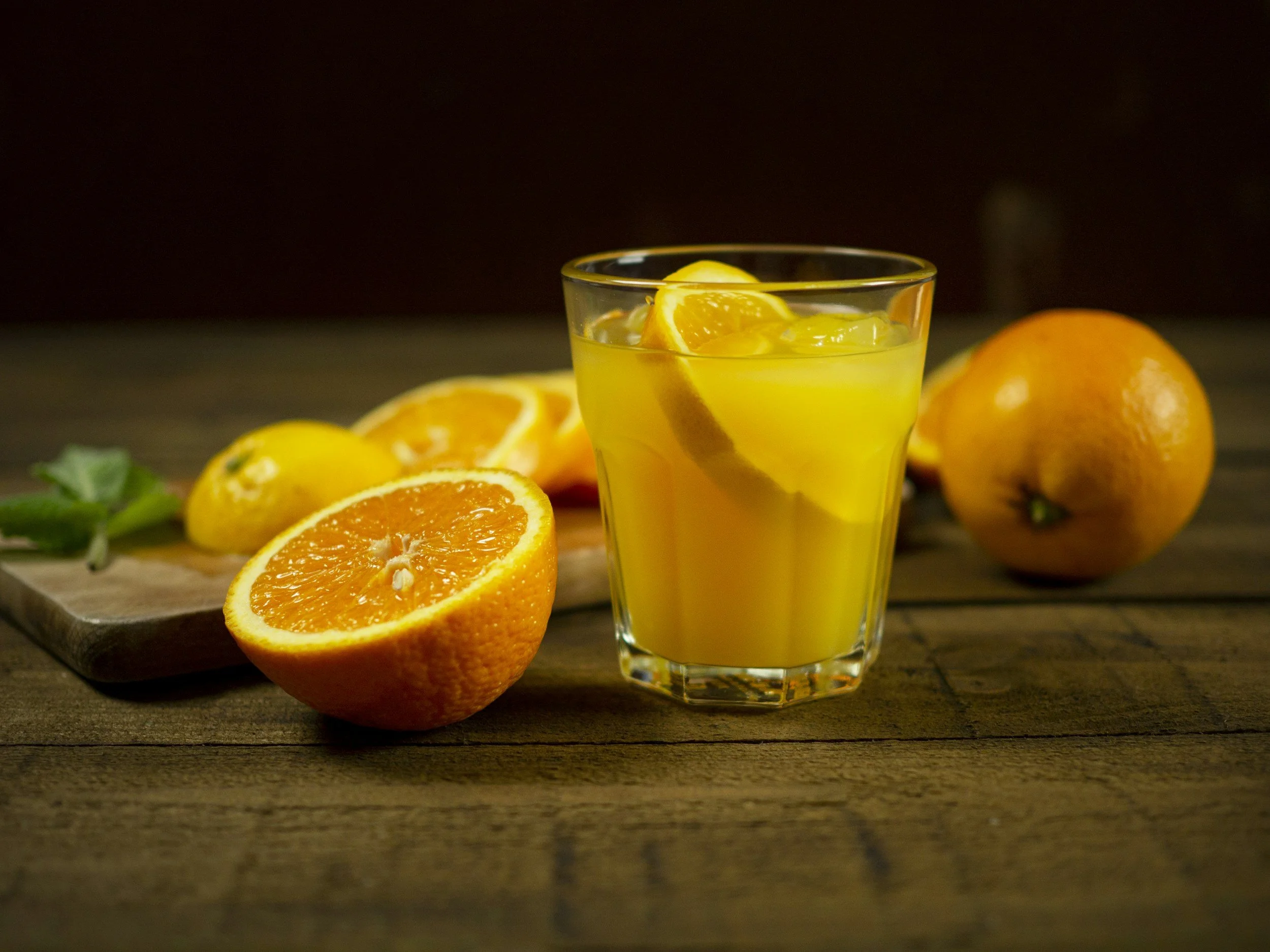
Acidity - Wine acidity vs. other drinks - The Acidity Ph scale measures acidity levels - The lower the Ph level, the more acidic the drink:
Coke/Pepsi - 2.5 Ph
Wine - 3-4 Ph
Energy drinks 3-4 Ph
Orange juice - 3.5 Ph
Coffee - 5.5Ph
Water - has neutral Ph level at 7Ph
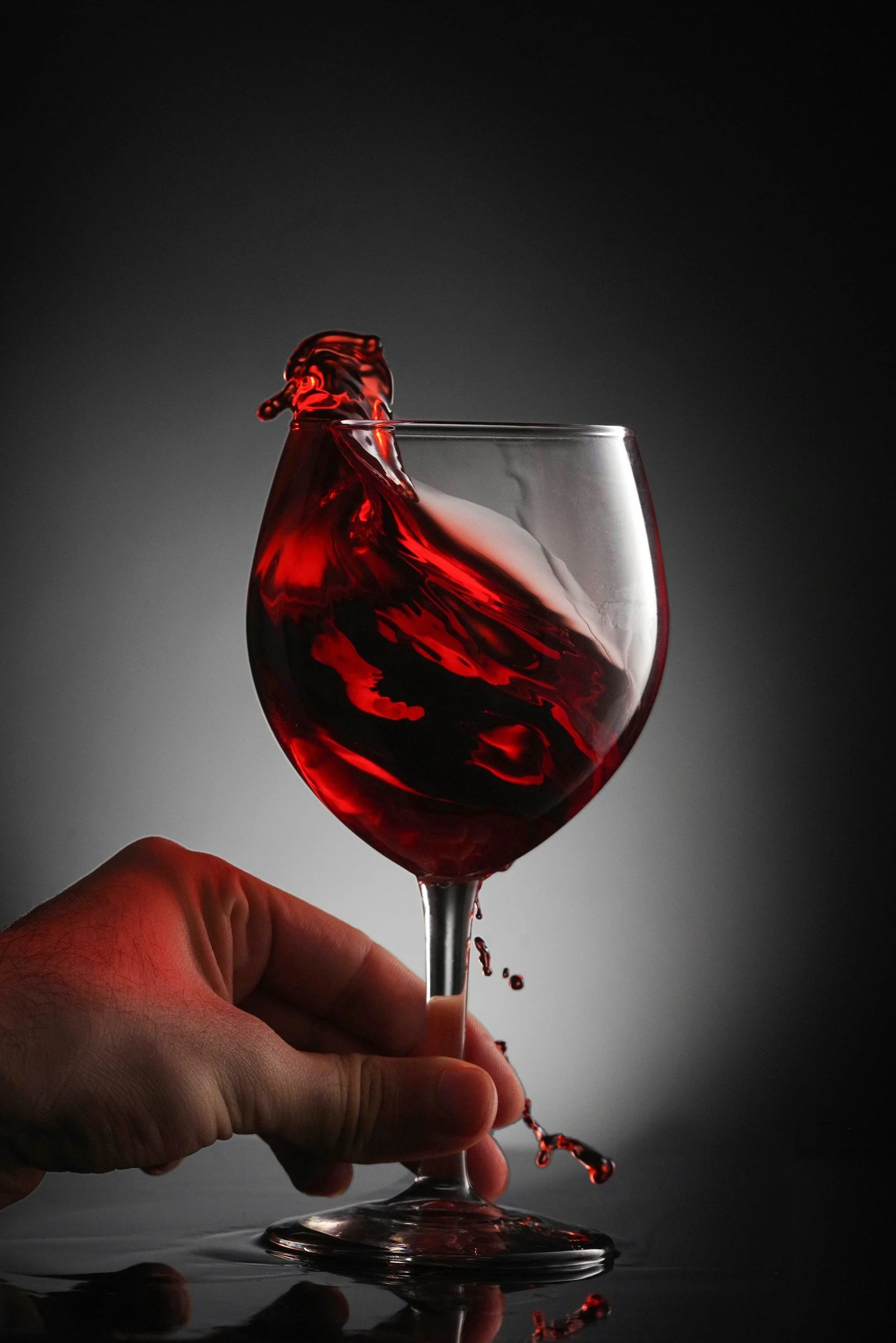
Swirling - Increases the wine’s surface area aerating the wine thus releasing the wine’s aromas and flavours.
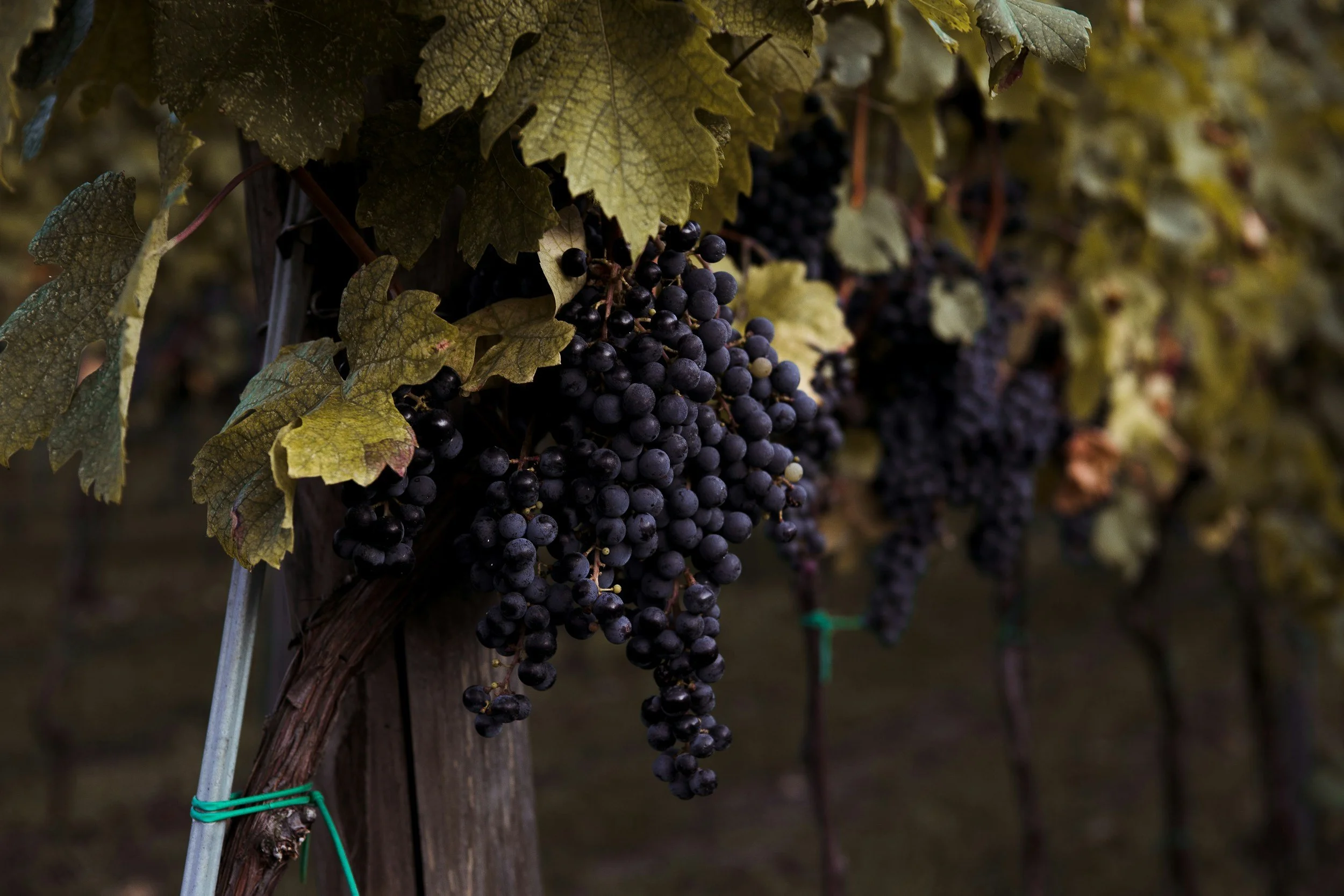
Tannins - Tannin is a natural chemical compound known as polyphenols found in many plants and acts as a defense mechanism against disease, animals and insects - In red wines, tannins come from grape skins, seeds, and stems - They give red wines their structure and astringency - high levels of tannins enables wine to age for longer periods of time.
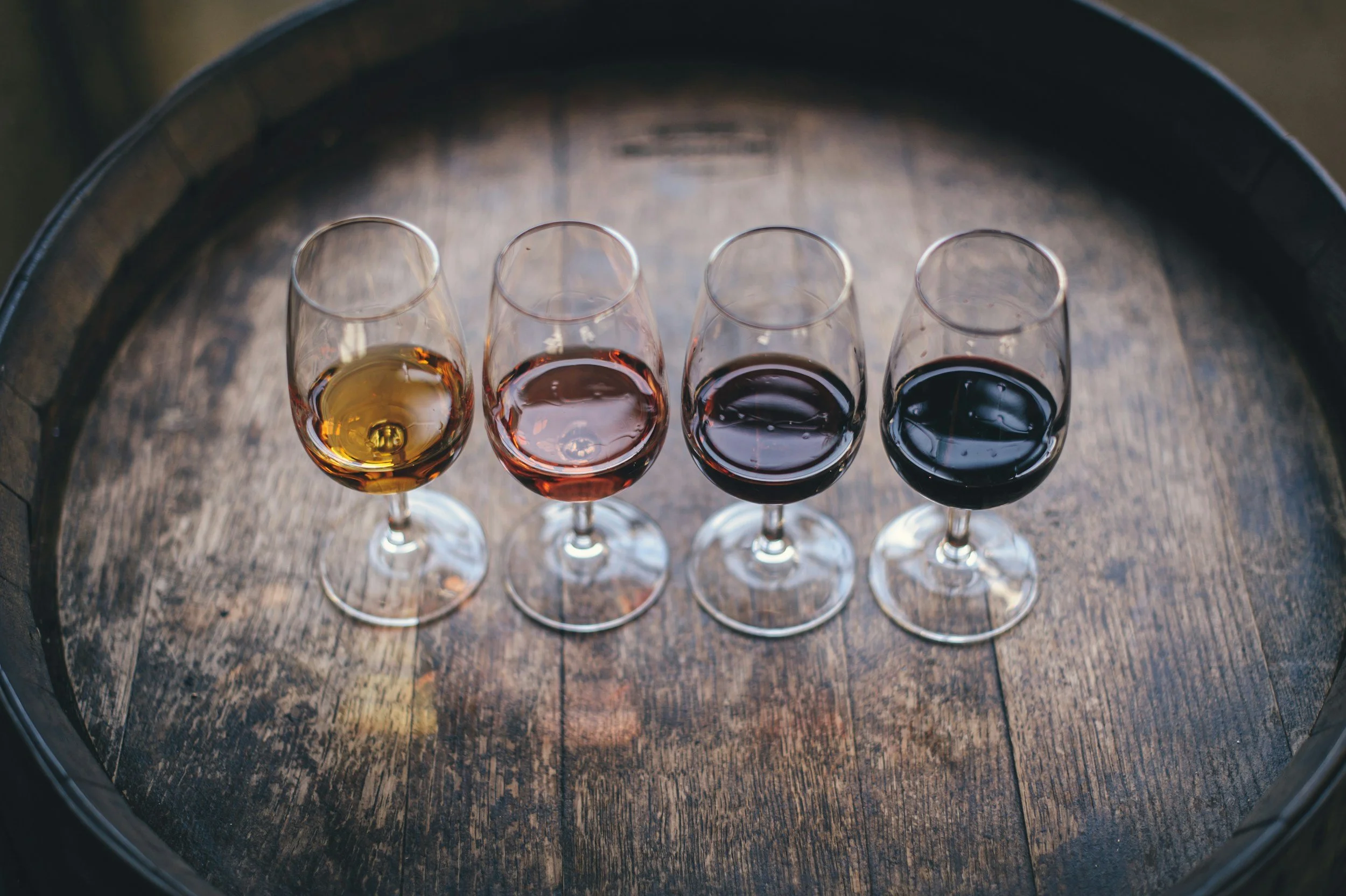
Colour - 100% of the colour of wine comes from the grape skin and exposure to the skins during fermentation. You can produce a white wine from black or red grapes if you removed the skins prior to fermentation.
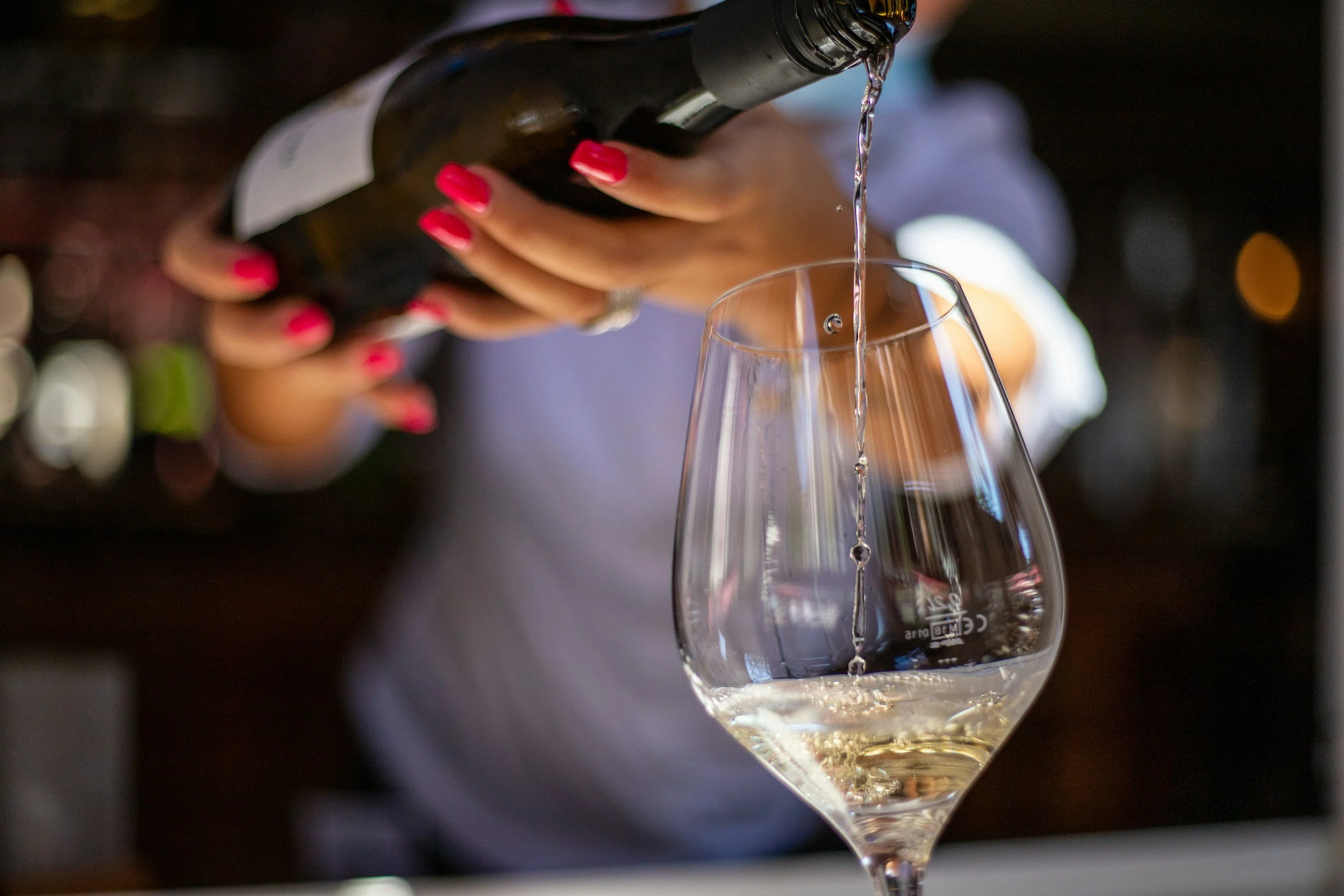
Serving Temperature - Serving red wine to cold mutes it flavours and the tannins make the wine taste bitter while serving white wine to warm will make the wine taste flat and overly alcoholic- Serving wine at the right temperature enhances its flavors. Red wines are best served slightly cooler than room temperature (15-18 C or 60 - 70 F) while white wines should be chilled (6-10 C or 40-50 F).
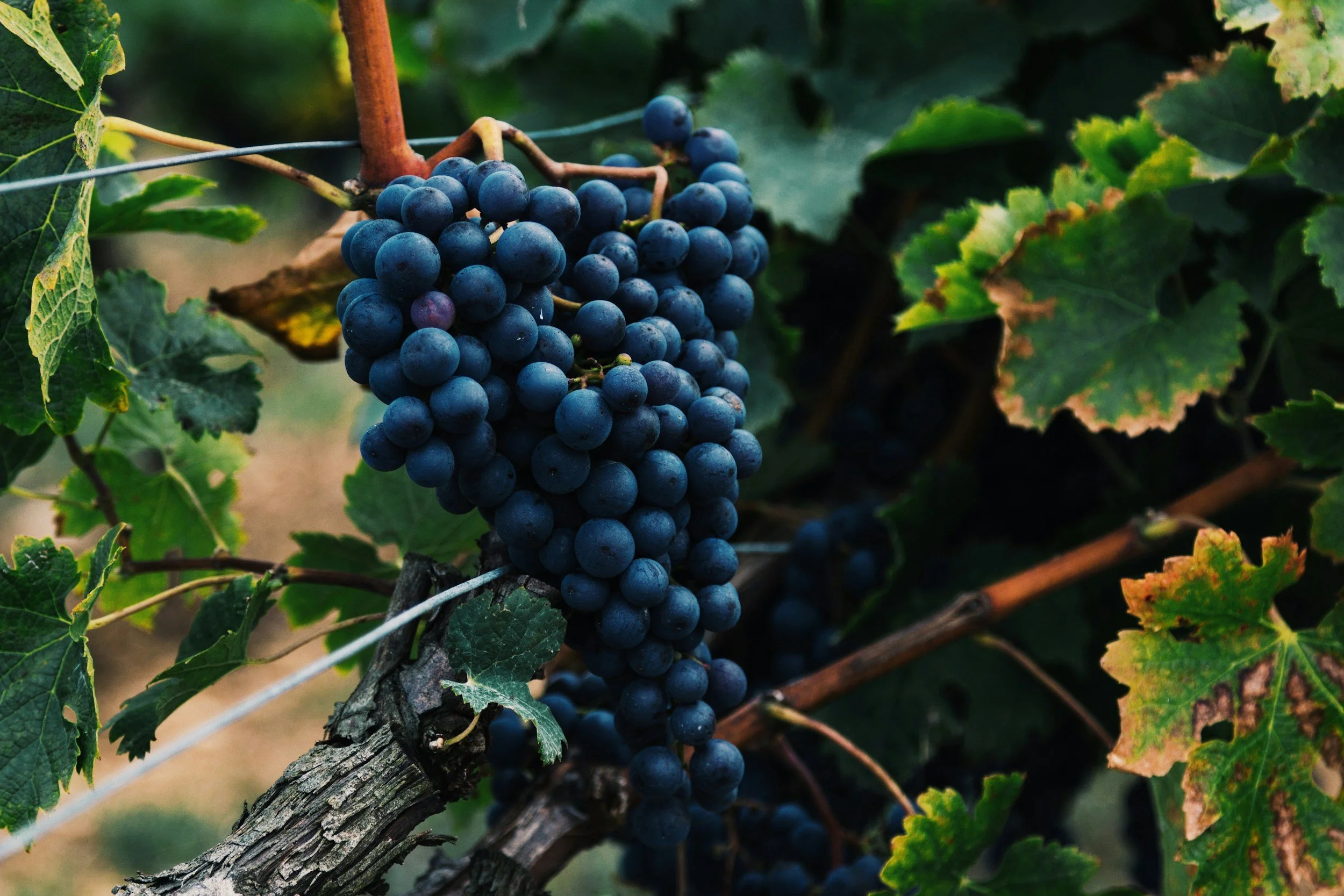
Alcohol level in red wine - Alcohol over 14% in red wine is typically an indication of the ripeness of the grape at time of harvest and grapes grown in warm climate regions. These wines usually have dried fruit and spice flavours, are grown in warmer climates, have lower levels of acidity and have high level of tannins that soften with age.