Barolo
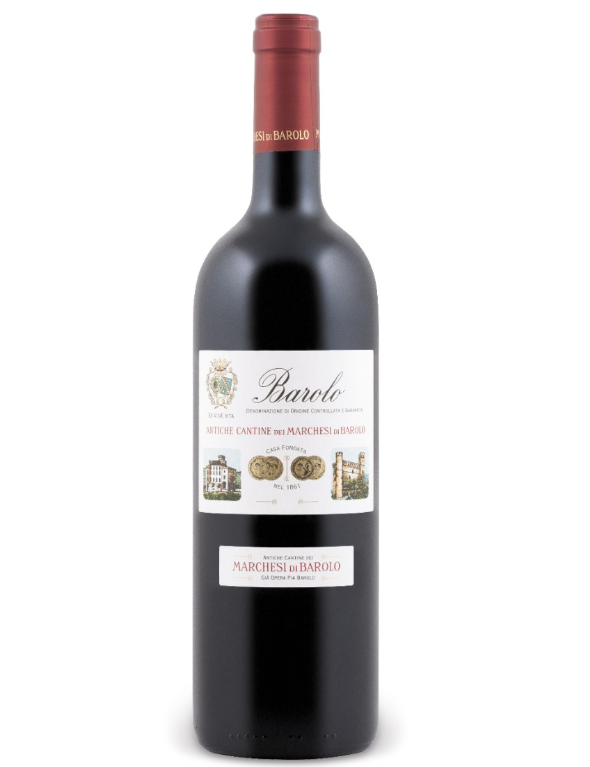
Tasting Notes
Barolo is produced from the famous Nebbiolo grape and is considered the wine of kings. The Nebbiolo grape dates back as far as 1st century A.D. Barolo wines have been produced sine the 13th century as sweet wines. Today’s dry version began production in the 19th century. The grape itself is a small red grape with very thick skin grown in Piedmont, in Northwestern Italy.
🎯 Overall Character - Barolo is powerful, austere, aromatic, and deeply complex, offering intense red fruit flavours, floral lift, tar and earth notes, massively powerful tannins and high acidity. The finish is long and savoury.
🌸 On the Nose (Aromatics) - Barolo is intensely aromatic, combining floral with deep savoury notes. Dominant aromatic notes are from the red fruit family; sour cherry, raspberry, red currant and pomegranate. Intense floral aromas offered are rose petal, violet and dried flowers. The wine has savour/earthy characteristics such as tar, leather, dried leaves and forest floor complemented with spicy notes of anise, licorice, clove and cinnamon. As the wine ages, aromas of dried roses, tobacco leaf, truffle, balsamic and cedar develop.
🍇 On the Palate - Barolo is dry, firm, and intensely structured, with a long, resonant finish. It has a deep garnet red colour that evolves with age. It is a full body wine, with powerful/grippy tannins, high acidity and high alcohol levels of 13-16% ABV. Due to the high tannins, the wine should be aged for a minimum of 5 year before drinking. On the palate the core flavours are red cherry, cranberry, dried strawberry, rosehip and pomegranate. Spice flavours of anise, licorice and sweet spice are accompanied with earthy notes of tar, leather and dried herbs.
🕰️ Aging Profile
Barolo wine can be aged for 10 to 20 years with some exceptional vintages potentially reaching 30 years or more. For a standard Barolo, it is recommended to age the wine for at least 5 years prior to drinking with 10 years as the optimal age. The aging process allows the tannins to soften, enhancing the wine's flavor profile. Barolo transforms dramatically over time. A young Barolo is bright red fruit based with fresh rose and violet aromas, intense tannins and earthy notes of tar, licorice and dried herbs. These change as the wine ages to aromas of dried roses and potpourri, flavours of ripe red fruit, leather, tobacco, balsamic, truffle, and forest floor. The tannins soften and there is more harmony in the wine.
Food Pairing
Barolo is high in tannins, highly acidic, intensely aromatic, and structurally powerful. Its pairings revolve around fat, protein, umami, and earth — the elements that soften its tannins and highlight its red‑fruit and tar‑rose complexity.
🍖 1. Rich Meats & Slow‑Cooked Dishes (Top Pairing) - Barolo’s tannins demand richness and protein. Ideal pairings include Braised beef, Osso buco, Lamb shank or lamb shoulder, Roast beef or prime rib, Venison or wild boar. The fat and collagen in these dishes soften Barolo’s tannins; slow cooking mirrors its depth.
🍝 2. Piedmont Classics & Truffle Dishes - This is Barolo’s home. Best pairings would be Tajarin with butter & white truffle, Risotto with porcini or truffle, Agnolotti del plin (meat‑filled pasta) and Fonduta with shaved truffle. Nebbiolo’s rose‑tar‑earth profile harmonizes with truffle and porcini.
🍄 3. Earthy, Umami‑Driven Dishes - Barolo’s savory notes love deep, earthy flavors. Recommended pairings include Mushroom ragù (meat sauce), Roasted root vegetables, Charred eggplant and Polenta with braised meats. The earthiness in these dishes mirrors Barolo’s forest‑floor, dried‑rose, and balsamic tones.
🧀 4. Aged, Hard, and Savory Cheeses - Soft cheeses get overwhelmed but aged ones shine. Best matches include Parmigiano‑Reggiano, aged Pecorino, Castelmagno (a Piedmont classic) and Aged toma or Grana Padano. The salt and umami in the cheese tame the tannins and amplify the red fruit flavours.
🍗 5. Poultry with Depth & Aromatics - Barolo can handle richer poultry dishes. The wine pairs well with Duck (especially with cherry or balsamic glaze), Guinea fowl and Turkey with sage and rosemary. The wine’s red fruit notes echo fruit glazes; acidity keeps dishes lifted.
🍕 6. Robust, Savory Italian Dishes - Barolo thrives with intensity. Great pairings would be Wild mushroom pizza, sausage & fennel pasta, Lasagna with meat ragù and Gnocchi with braised meat sauces.
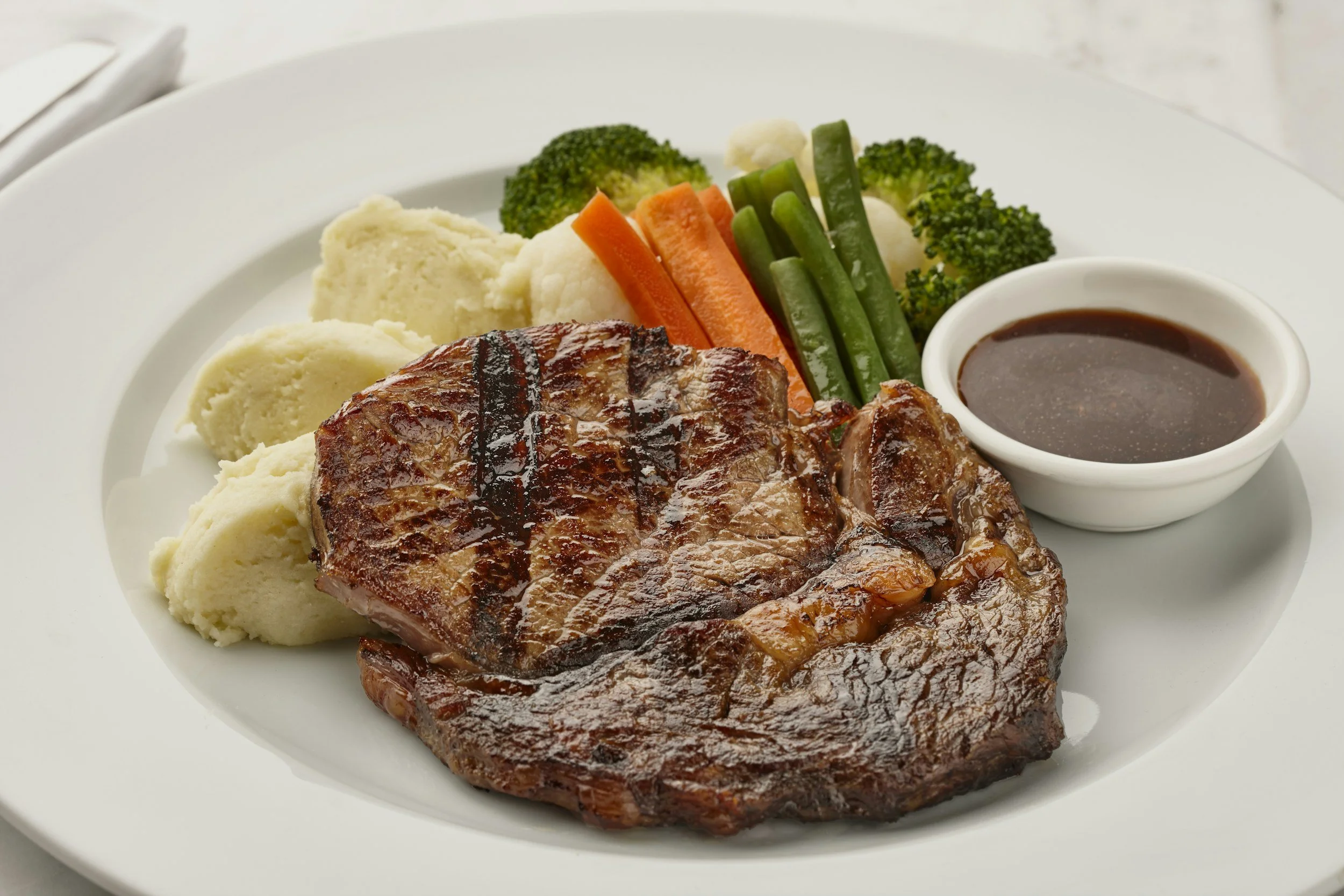
Prime Rib
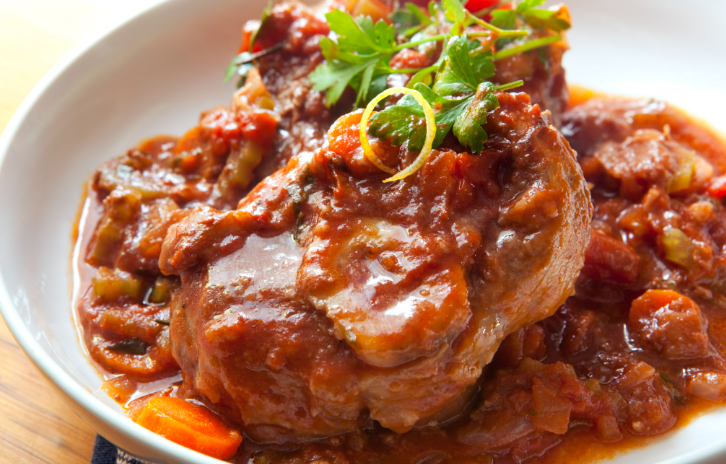
Osso Buco
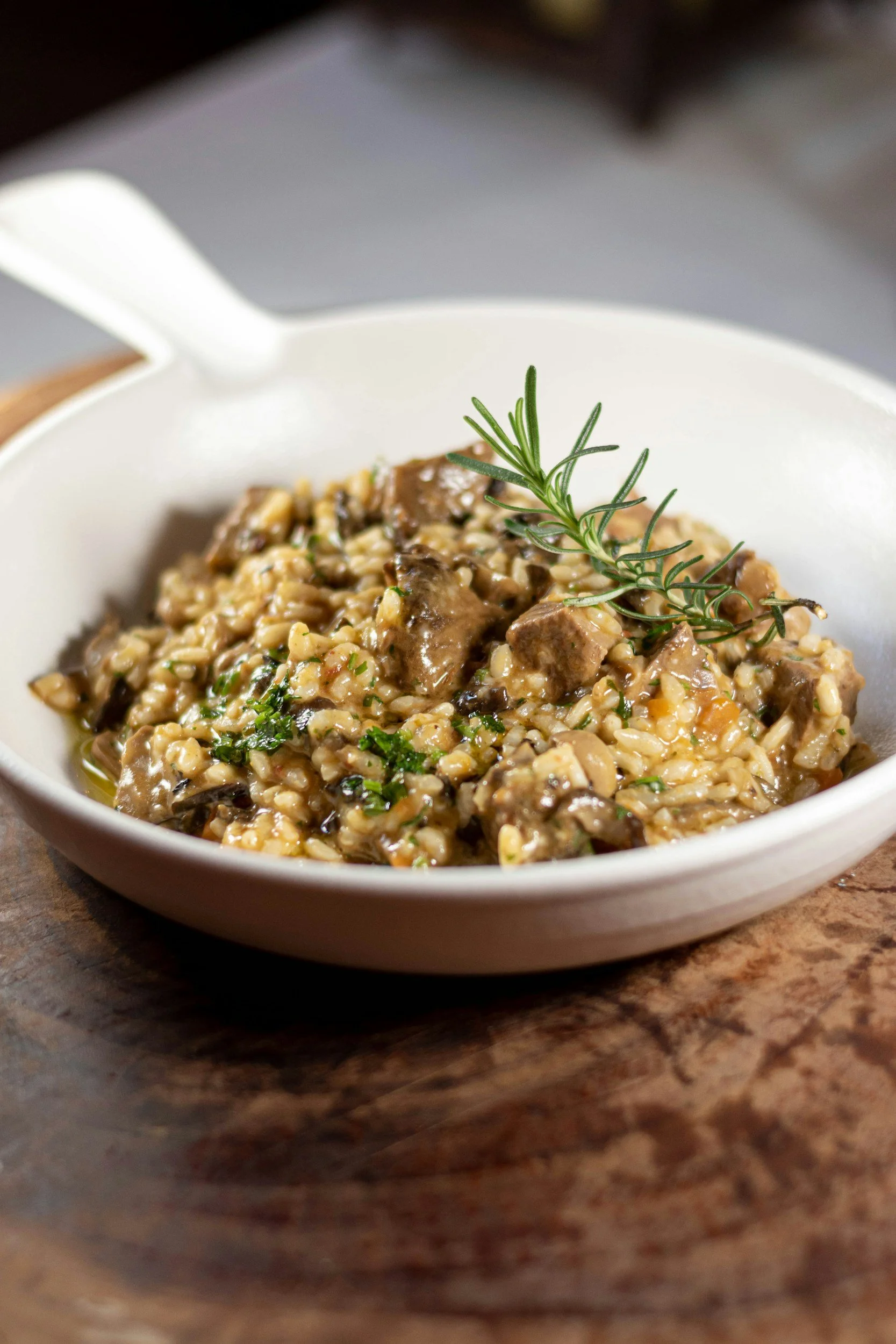
Risotto with Truffles
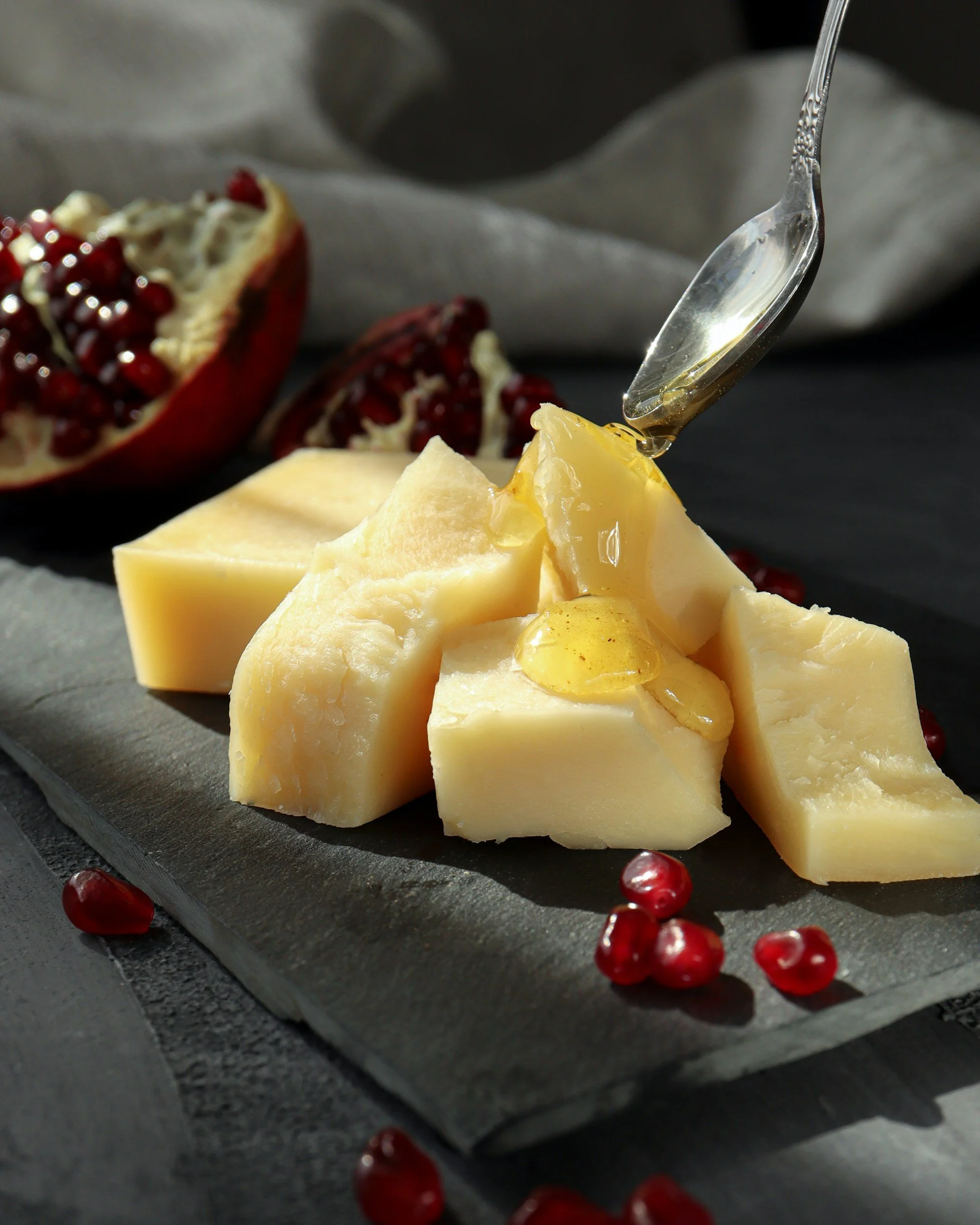
Parmigiano ‑ Reggiano