Bordeaux (Cabernet Sauvignon dominate)
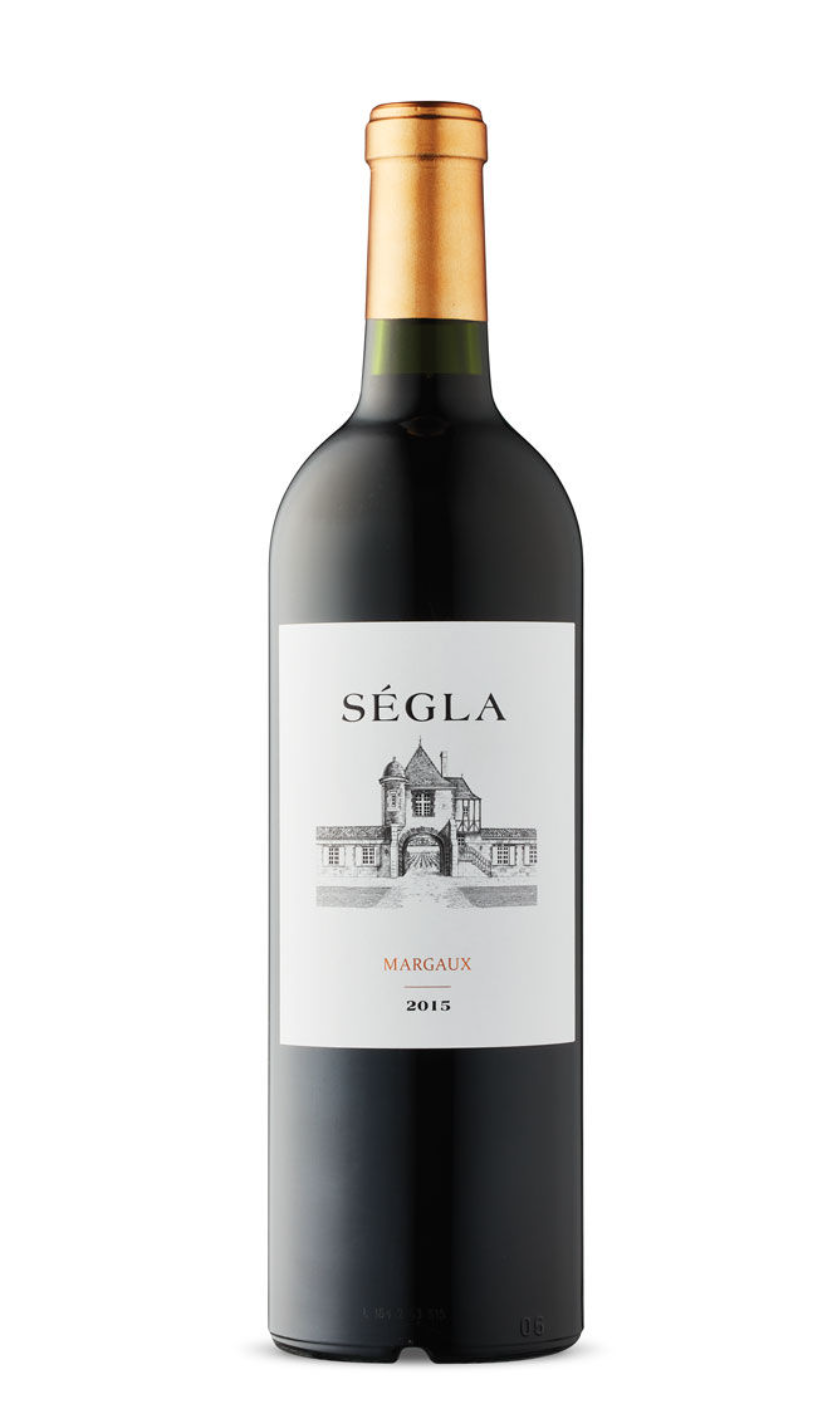
Tasting Notes
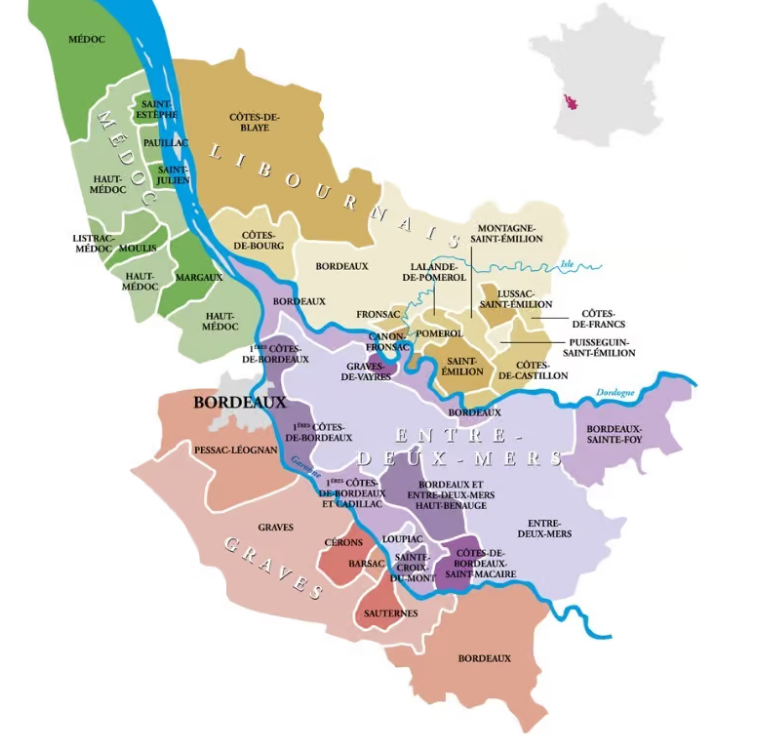
Bordeaux blends are renowned for their structure, complexity, long finish and cellar worthiness. The Bordeaux region in western France is split by the Gironde estuary and the two rivers (Dordogne and Garonne) that flow into the Estuary. Vineyards on the west side of the Gironde and Garonne are considered Left Bank and are the Bordeaux blend is Cabernet Sauvignon dominant. Vineyards on the East Side of the Gironde and Dordogne are considered Right Bank. These Bordeaux blends are Merlot dominant. Though both considered Bordeaux blends, there are significant characteristic differences between the two.
Left bank Bordeaux blend or Cabernet Sauvignon dominant Bordeaux have firm tannins, deep complexity, and remarkable longevity. The left bank Cabernet Sauvignon is typically blended with Cabernet Franc, Merlot and at times Carmenere or Malbec in small quantities. The Merlot softens the tannins, the Cabernet Franc adds floral notes and the Carmenere or Malbec adds notes of spice and red fruits such as raspberry and red cherries. Some of the most prestigious vineyards and top Bordeaux blends are produced in Left Bank villages and regions such as Margaux, St. Julien, Pauillac, St. Estephe, Haut Medoc and Pessac Leognan. The blended wine is highly tannic and acidic and it is characterized by its ruby colour, and long finish.
🍒 On the Nose (Aromatics) - Dominant aromatic notes are blackcurrant, black cherry, blackberry, plum, graphite, cedar, cigar box ad tobacco leaf. Floral aromas of violet and dried rose are accompanied by herbaceous aromas of green peppercorn and subtle bell pepper. Earth tones of gravel, earth and forest floor are also present.
🍷 On the Palate - Cabernet‑led Bordeaux is dry, firm, savoury, and structured, with layered fruit and mineral depth. It is a full body wine with core flavours that include cassis, black cherry, black plum, cedar, cigar box, tobacco, graphite, crushed gravel and pencil lead. Herbal notes of sage, bay leaf, mint and eucalyptus also present. with age, flavour evolve to leather, dried flowers, mushroom, truffle and balsamic. The finish is long and savoury.
🕰️ Aging Profile - Left bank Bordeaux blends can be aged for 20-40 years. High quality vintages should be aged for at least 10 years before drinking. Mass produced winds can be consumed after 5 years. Generally speaking, these wines reach their peak in 15-20 years.
Food Pairing
The Bordeaux blend (Cabernet Sauvignon dominate) or Left Bank wines are structured, tannic, savoury with high acidity and dark fruit depth. These wines that pair best with flavourful rich foods. Grilled steak and lamb soften the tannins, wild mushrooms, potatoes and truffle dishes complement the herbaceous and earthy characteristics of the wine. Aged cheeses such as Gruyere, Comte and Cheddar also pair nicely with the wine.
🍖 1. Red Meat & Char‑Grilled Dishes (Classic left bank match) - Ideal pairings include Ribeye, Striploin and Porterhouse steak. Lamb chops, Rack of lamb, Beef Tenderloin and Char-grilled beef. The protein plus the fat in these dishes often Cabernet’s tannins and the char echoes graphite and cedar in the wine.
🍗 2. Lamb (The Signature Bordeaux Pairing) - Top pairings are Herb crusted rack of lamb, Roast leg of lamb, Lamb shoulder and roasted lamb. The Lamb’s sweetness and fat complement cassis, tobacco, and cedar in the wine.
🍖 3. Game & Savory, Earthy Meats - Cabernet’s structure handles intensity beautifully. Recommended pairing include Venison, Duck breast, Wild boar and Guinea fowl with herbs. The gamey flavors match Bordeaux’s earthy, tobacco‑leaf characteristics.
🍝 4. Hearty, Savory Dishes - The following dishes pair well with the wine. Beef bourguignon, Short‑rib ragù, Mushroom‑based pasta, Steak‑and‑peppercorn sauces. The Umami and richness in the dishes tame tannin and amplify the wine’s dark fruit.
🍄 5. Mushroom, Truffle & Earth‑Driven Plates - Ideal pairings include Porcini risotto, Mushroom ragù, Truffle‑accented dishes and Roasted root vegetables
🧀 6. Aged, Hard, and Savory Cheeses - Soft cheeses get overwhelmed; aged ones shine. Best matches are Aged Comté, Mimolette, Aged cheddar, Parmigiano‑Reggiano and Aged Gouda. The salt and the umami in the cheese soften tannins and highlight cassis and cedar in the wine.
🍔 7. Elevated Comfort Foods - Cabernet can elevate richer everyday dishes such as Gourmet burgers (cheddar, caramelized onion, mushroom), Steak‑frites, Beef brisket and Peppercorn‑crusted meats
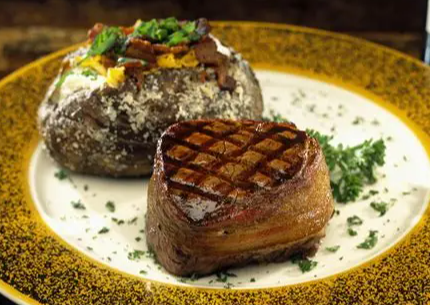
Filet Mignon
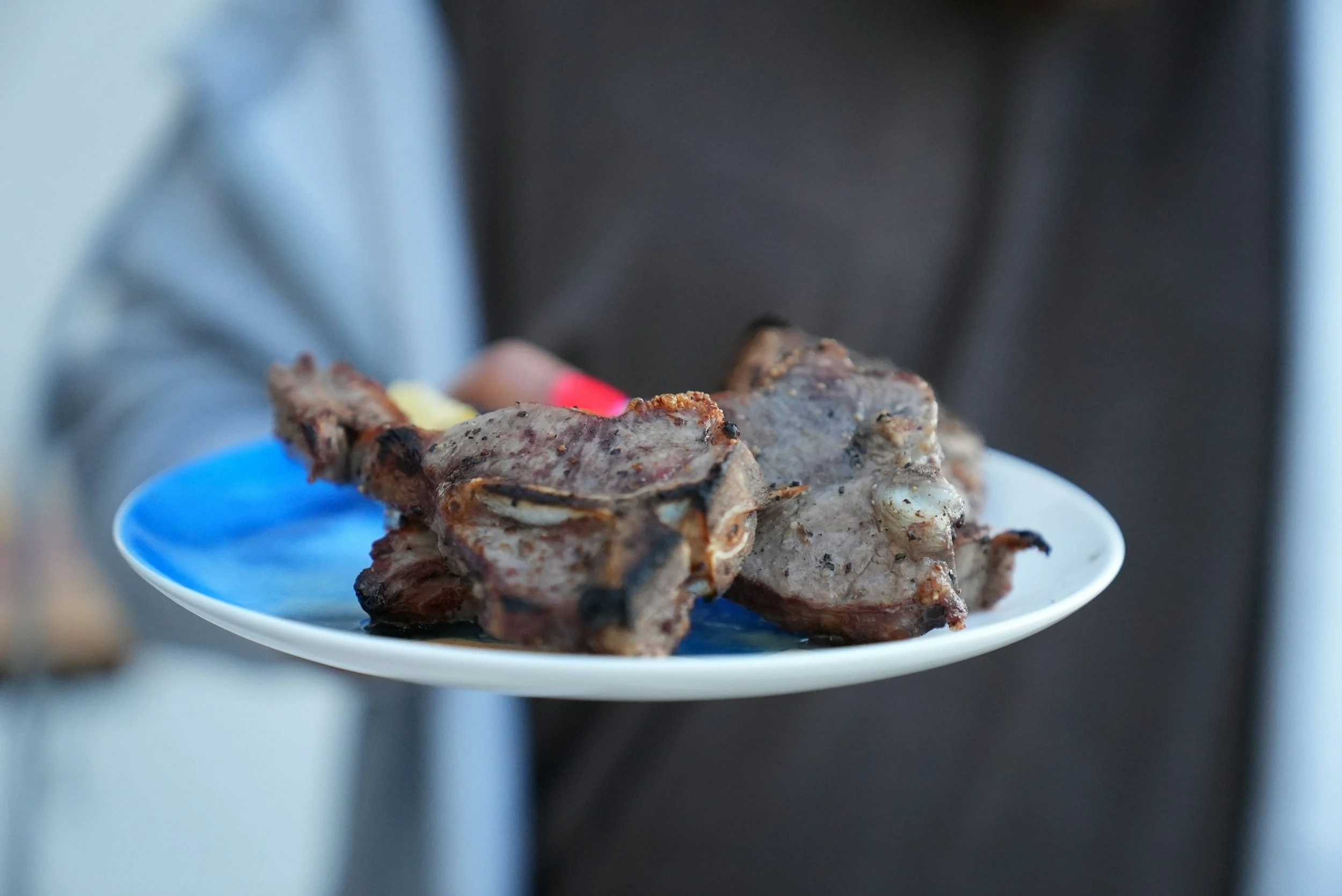
Grilled Lamb
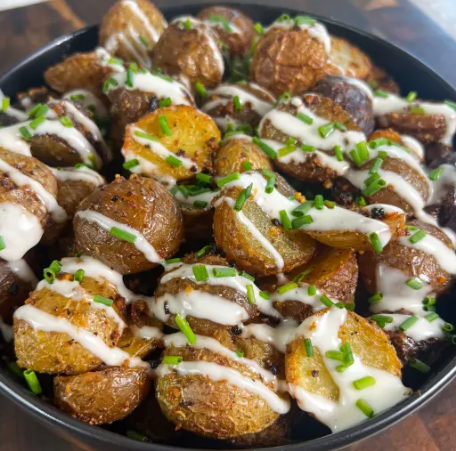
Truffles and Wild Mushroom
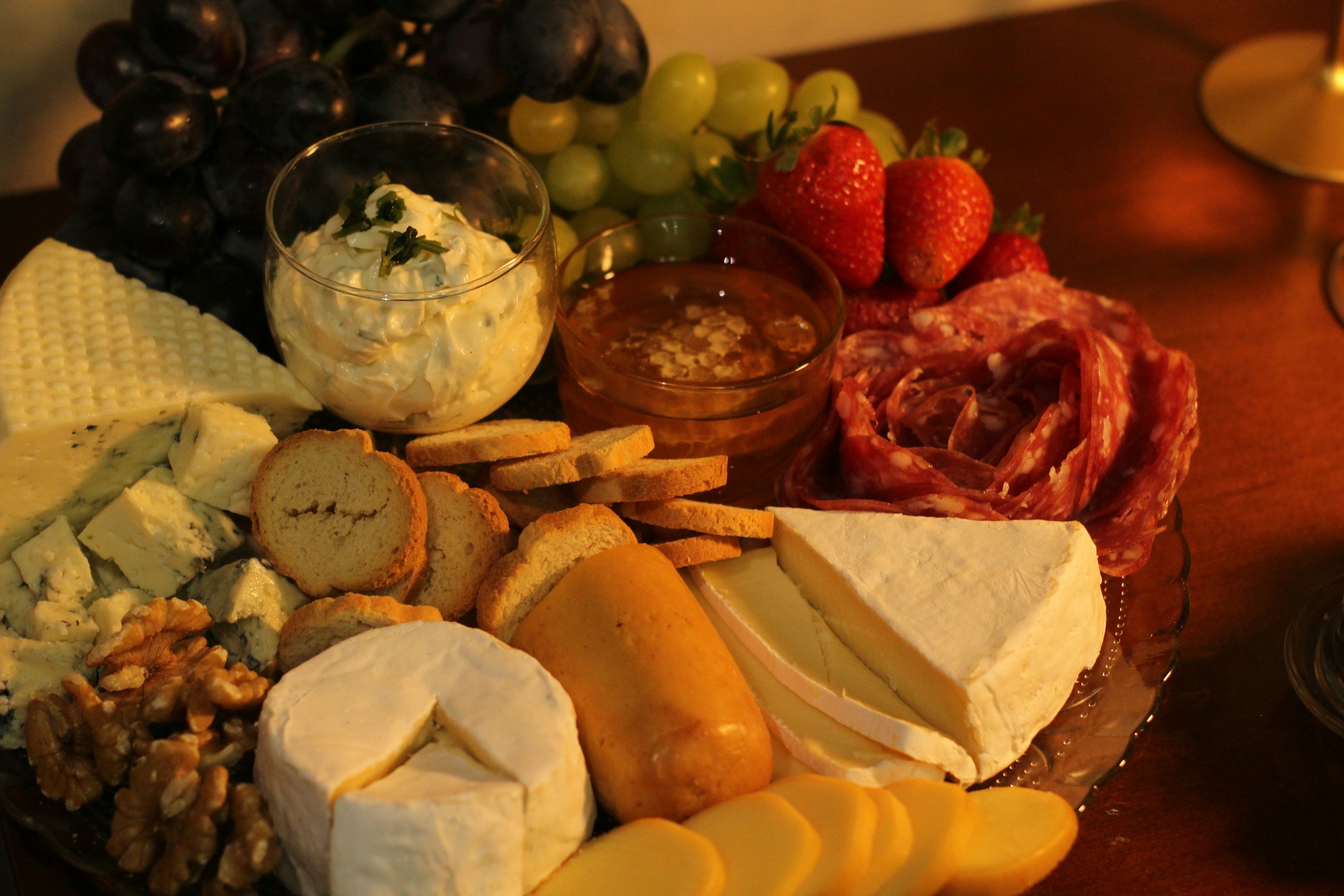
Aged Comte, Cheddar and Gouda