Bordeaux (Merlot Dominate)
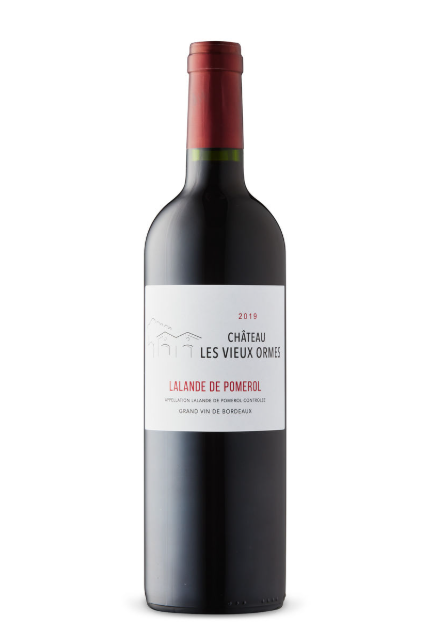
Tasting Notes
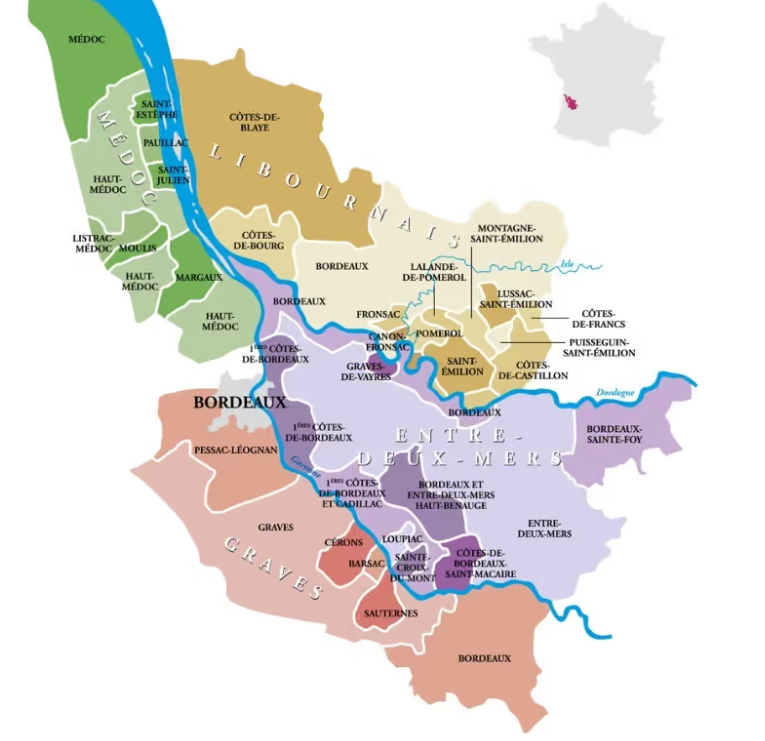
Bordeaux blends are renowned for their structure, complexity, long finish and cellar worthiness. The Bordeaux region in western France is split by the Gironde estuary and the two rivers (Dordogne and Garonne) that flow into the Estuary. Vineyards on the west side of the Gironde and Garonne are considered Left Bank and are the Bordeaux blend is Cabernet Sauvignon dominant. Vineyards on the East Side of the Gironde and Dordogne are considered Right Bank. These Bordeaux blends are Merlot dominant. Though both considered Bordeaux blends, there are significant characteristic differences between the two.
Bordeaux blends from the Right Bank are dominated by Merlot from Pomerol and Saint‑Émilion and are plush, velvety, aromatic with intense ripe fruit. Supple tannins and earthy characteristics add to the wine’s complexity. Compared to Cabernet‑dominant Bordeaux, these wines are rounder, softer, more sensual, and often drinkable with less aging (immediately approachable). These Right Bank Merlots are typically blended with Cabernet Sauvignon, Cabernet Franc, and at times Carmenere, Petite Verdot or Malbec in small quantities. The Merlot softens the tannin, the Cabernet Franc adds floral notes and the Carmenere, Petite Verdot or Malbec adds notes of spice and red fruits such as raspberry and red cherries.
🎯 Overall Character - Merlot‑dominant Bordeaux is plush, aromatic, velvety, and deeply layered, offering ripe plum and black‑cherry flavours complemented with mocha, cocoa, and sweet‑spice warmth and earthy notes. It has silky tannins and a long, elegant finish.
🌸 On the Nose (Aromatics) - Merlot‑led Bordeaux is defined by plush fruit with floral perfume and earthy qualities. Dominant aromatic notes are plum, black cherry, red cherry, blackberry and mulberry. Floral aromas are violet and dried rose. Secondary aromas include cocoa, mocha, baking spice, cedar and sweet tobacco. Earth, truffle and graphite also present especially in Pomerol vintages. Saint‑Émilion tends to show more floral and red‑fruit lift, while Pomerol leans toward plush black fruit and truffle.
🍇 On the Palate - Merlot‑dominant Bordeaux is silky, ripe, and layered, with a luxurious mouthfeel. The blended wine is full body with medium tannins and medium acidity. It is characterized by its ruby colour and long finish. Primary and secondary flavours include plum, black cherry, raspberry compote, chocolate, mocha, espresso, cedar, sweet spice and vanilla. Earthy notes of clay, graphite and truffle also present. With age the wine develops dried fig, leather, tobacco leaf, forest floor and herb flavours. The palate is rounder and more velvety than Cabernet‑dominant blends, but still firmly structured.
🕰️ Aging Profile - Right bank Bordeaux blends can age 10+ years. Premium examples can age up to 20 years. The are best enjoyed within 10 years of vintage. As they age, the fruit favours become more muted and the secondary flavours of leather, tobacco and earth become more prominent.
Food Pairing
Right‑Bank Bordeaux blends (Merlot‑led, often with Cabernet Franc) are plush, ripe, velvety, and aromatic, with plum‑black‑cherry fruit, mocha, cedar, and earthy/truffle depth. Their pairings revolve around tender meats, earthy flavors, herbs, and silky textures that echo the wine’s softness and perfume.
🍖 1. Tender Red Meats & Roast Dishes (Top Pairing) - Merlot’s round tannins and ripe fruit love gentle, juicy cuts. Ideal pairings include Roast beef or Beef tenderloin, Filet mignon with mushroom sauce, Pork loin or pork roast, and Veal chop with herbs. Merlot’s softness complements tender textures; plum and mocha notes enhance roasted flavors.
🍗 2. Duck, Game Birds & Rich Poutry - This is a signature Right‑Bank pairing. Best matches include Duck breast with cherry, plum, or fig glaze, Roast duck with herbs, Guinea fowl or pheasant, and Turkey. Fruit‑driven aromatics echo fruit glazes and Cabernet Franc adds herbal lift.
🍄 3. Mushroom, Truffle & Earth‑Driven Dishes - Pomerol’s clay‑driven truffle note makes this a natural match. Recommended pairing include Mushroom risotto, Truffle pasta or truffle polenta Roasted root vegetables and Porcini‑based dishes. Earthiness mirrors the wine’s truffle, cocoa, and forest‑floor characteristics.
🍝 4. Savory, Herb‑Driven Dishes - Merlot loves herbs — especially sage, thyme, rosemary, and bay. Great matches include Herb‑crusted pork or lamb, Beef bourguignon, Short‑rib ragù and Pasta with mushroom or sausage.
🧀 5. Aged, Nutty, and Semi‑Firm Cheeses - Merlot’s plushness pairs beautifully with savory, nutty cheeses. Ideal pairings include Aged Gouda, Comté, Mimolette, Aged cheddar and Tomme de Savoie
🍔 6. Elevated Comfort Foods - Merlot’s plush fruit and soft tannins elevate richer everyday dishes. Surprisingly good pairings include Gourmet burgers (cheddar, mushroom, caramelized onion), BBQ pork tenderloin and Meatloaf with herb glaze.
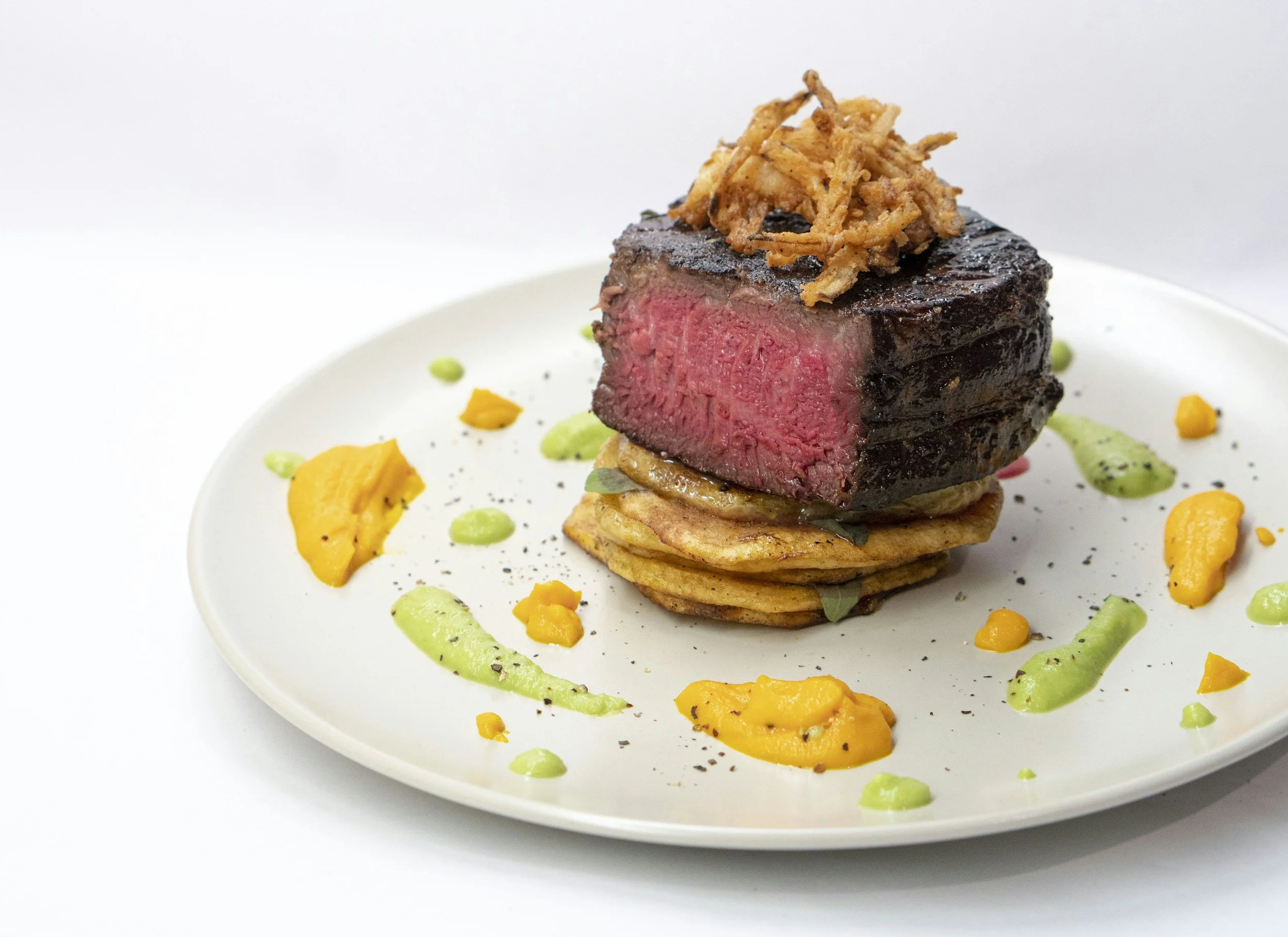
Filet Mignon
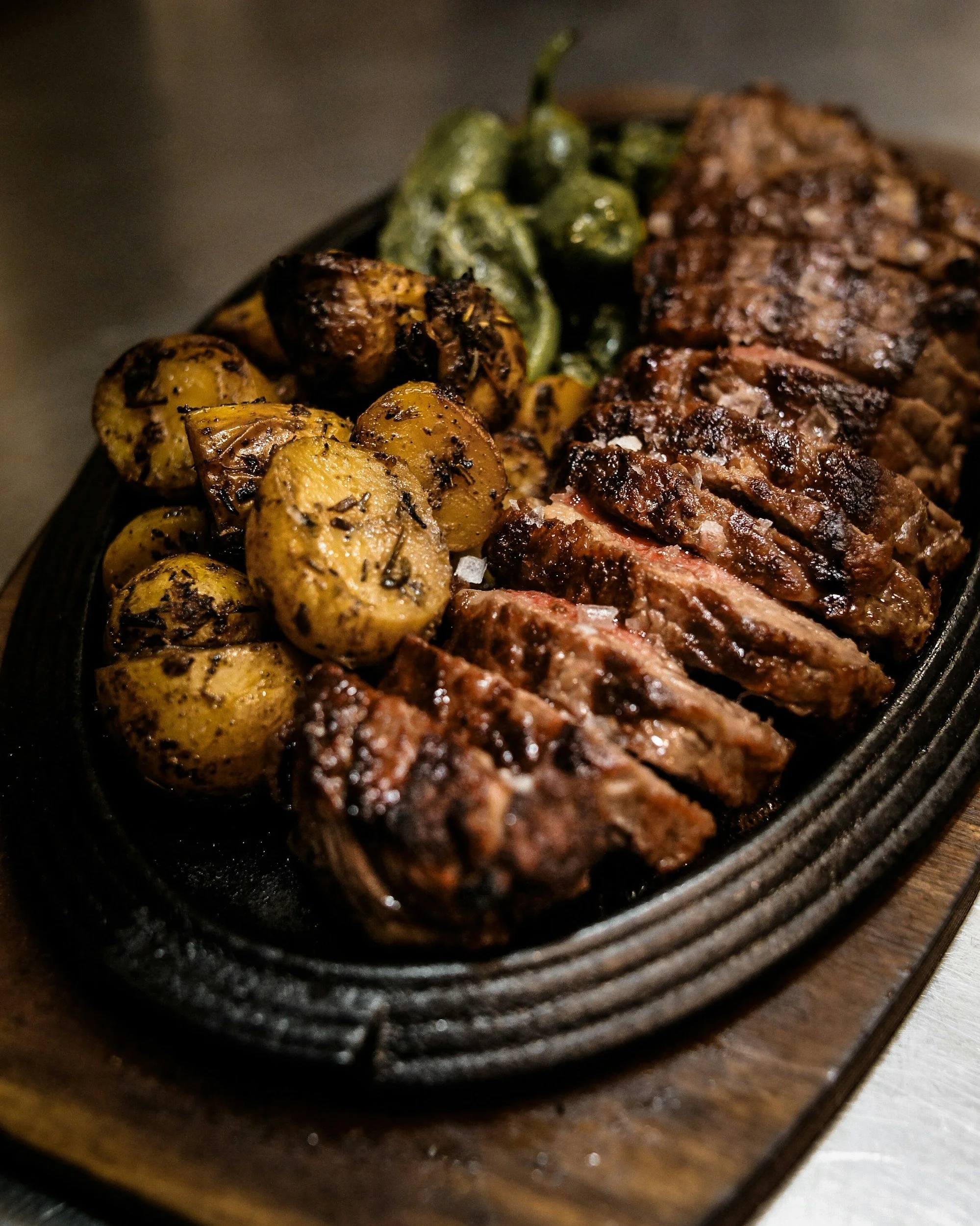
Roast Beef
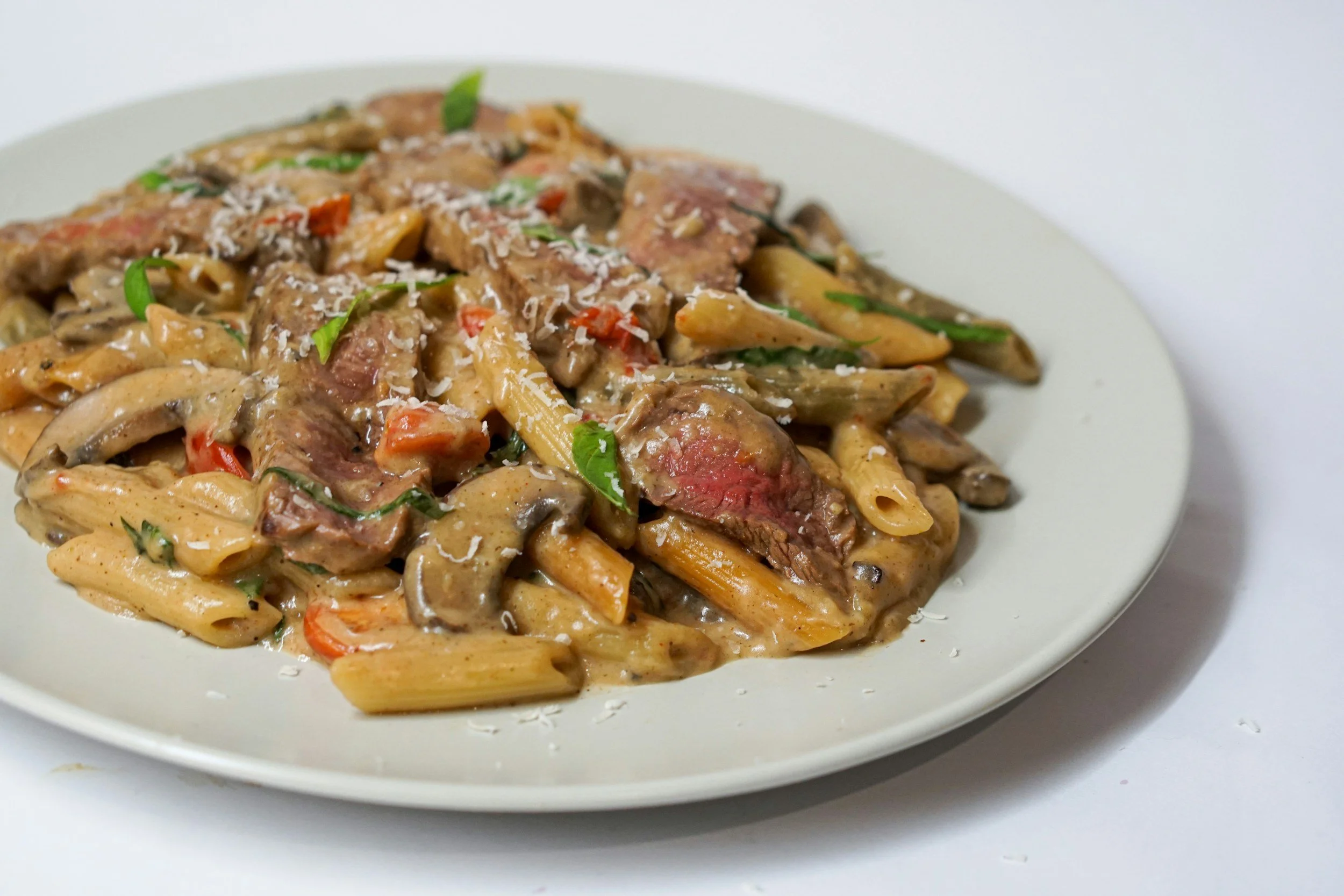
Pasta with Mushrooms
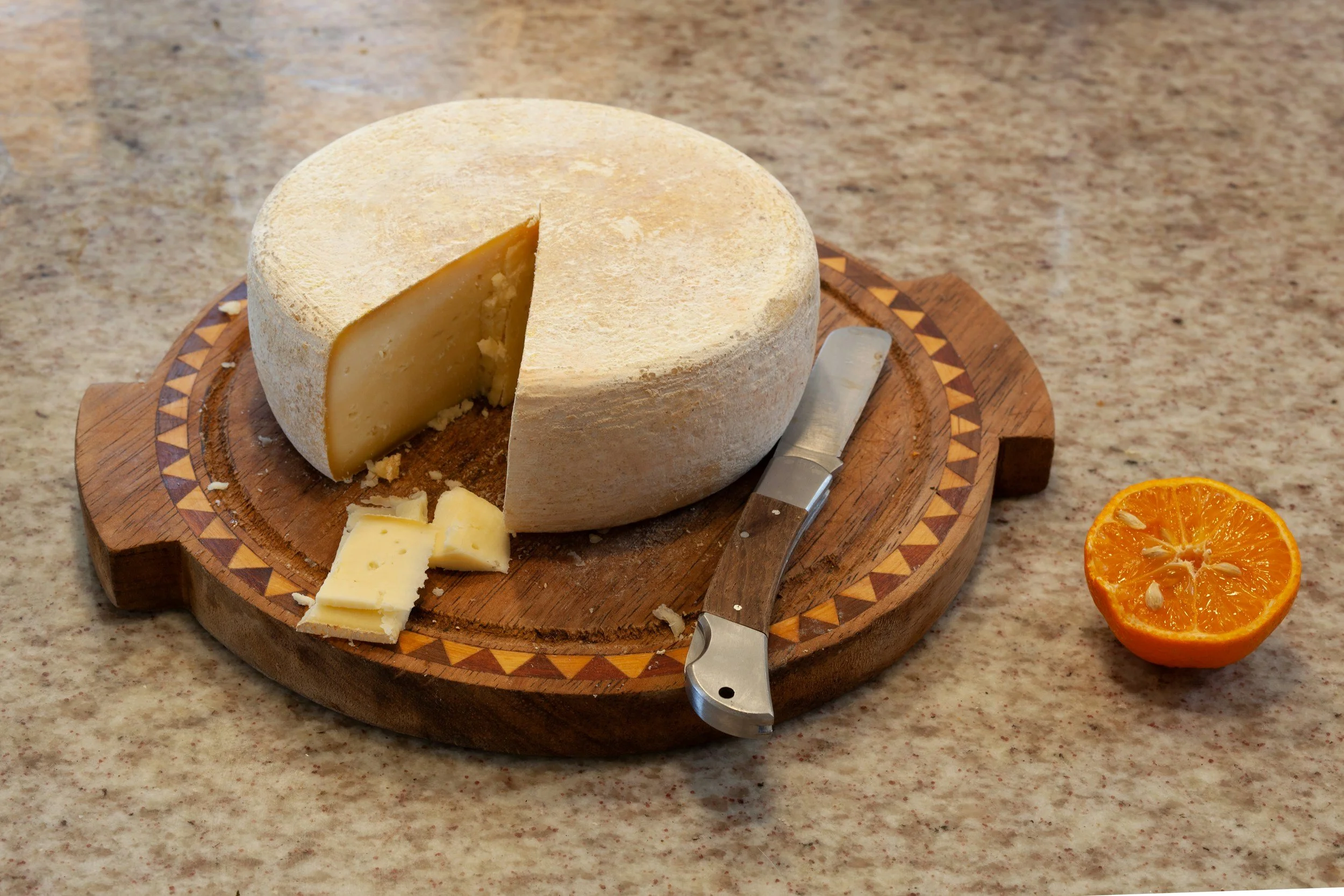
Aged Gouda