Merlot
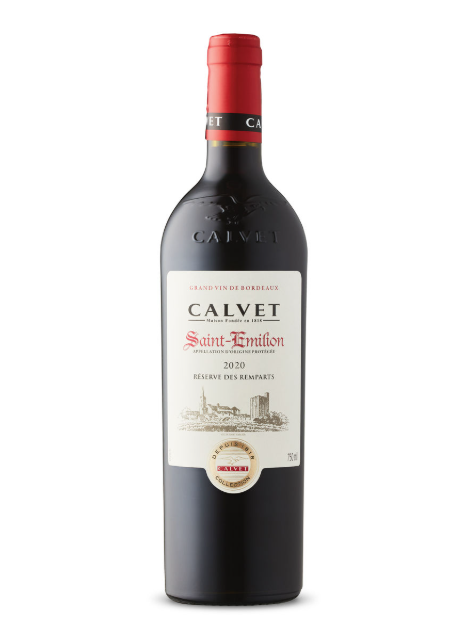
Tasting Notes
Merlot is one of the wine world’s great chameleons — capable of being plush and fruit‑forward or structured and age‑worthy depending on climate and winemaking. Merlot originated in Bordeaux, France, in the 14th century where it was valued for its quality and early ripening characteristics. Today, it has grown to become one of the world’s most widely planted and popular red wine grapes.
🎯 Overall Character - Smooth, velvety tannins, softer and rounder than Cabernet Sauvignon with balanced acidity that keeps the wine lively without sharpness. A red wine that balances fruit, softness, and subtle spice. As Merlot ages, it develops chocolatey richness, meaty savory depth and tobacco and spice notes.
🍒 On the Nose (Aromatics) - Merlot shows a spectrum of fruit and savoury notes depending on climate: red plum & cherry in cooler climates. Baked blackberry & fruitcake in warmer climates. Vanilla & spice from oak aging and with bottle aging, chocolate, meaty notes, and tobacco. These are classic markers of Merlot’s supple, approachable style.
🍷 On the Palate - A very dry wine, medium to full bodied with medium to high tannins and medium acidity. Alcohol typically 13.5 - 15% ABV. - Flavours typically include cherry, plum, blackberry, chocolate, vanilla, spice with subtle herbal tones. Warm‑climate Merlot tends to be richer and softer; cool‑climate Merlot is fresher and more structured.
🕰️ Aging Profile - Top Merlot wines can age 10–15+ years.
Food Pairing
Merlot’s plum‑driven fruit, medium to full body, moderate tannins, and smooth texture makes it one of the most versatile red wines at the table. Merlot pairs beautifully with red meats, pork, roasted poultry, braised dishes, and medium to firm cheeses, with style differences (cool vs. warm climate) shaping the best match.
🥩 1. Red Meat (Especially Beef / Lamb) - Merlot’s tannins and body make it ideal for richer meats. Steak, lamb chops and beef stews. Protein softens Merlot’s tannins, while the wine’s plum and chocolate notes complement roasted flavors.
🐖 2. Pork Dishes - Pork roasts and pork with fruit based sauces. Because Merlot is not high in acidity, pork dishes happen to be one of Merlot’s most reliable pairing partners.
🍗 3. Chicken & Turkey (Especially Dark Meat) - Merlot’s medium body works beautifully with richer poultry cuts. Pairs well with chicken thighs, braised chicken dishes and dark meat turkey.
🧀 4. Cheese Pairings - Merlot’s smooth tannins and fruitiness pair well with a range of cheeses such as Cheddar, Gouda, and other medium‑firm cheeses. Avoid very sharp or very creamy cheeses unless the Merlot is rich and produced in a warm‑climate.
🥘 5. Braised & Slow‑Cooked Dishes - Merlot’s plush texture complements slow‑cooked dishes such as braised beef, braised chicken thighs, meat stews and hearty sauces.
🌱 6. Vegetarian Pairings - Merlot’s moderate acidity and tannin make it friendly to umami‑rich vegetables and roasted vegetables especially with cooler‑climate Merlot.
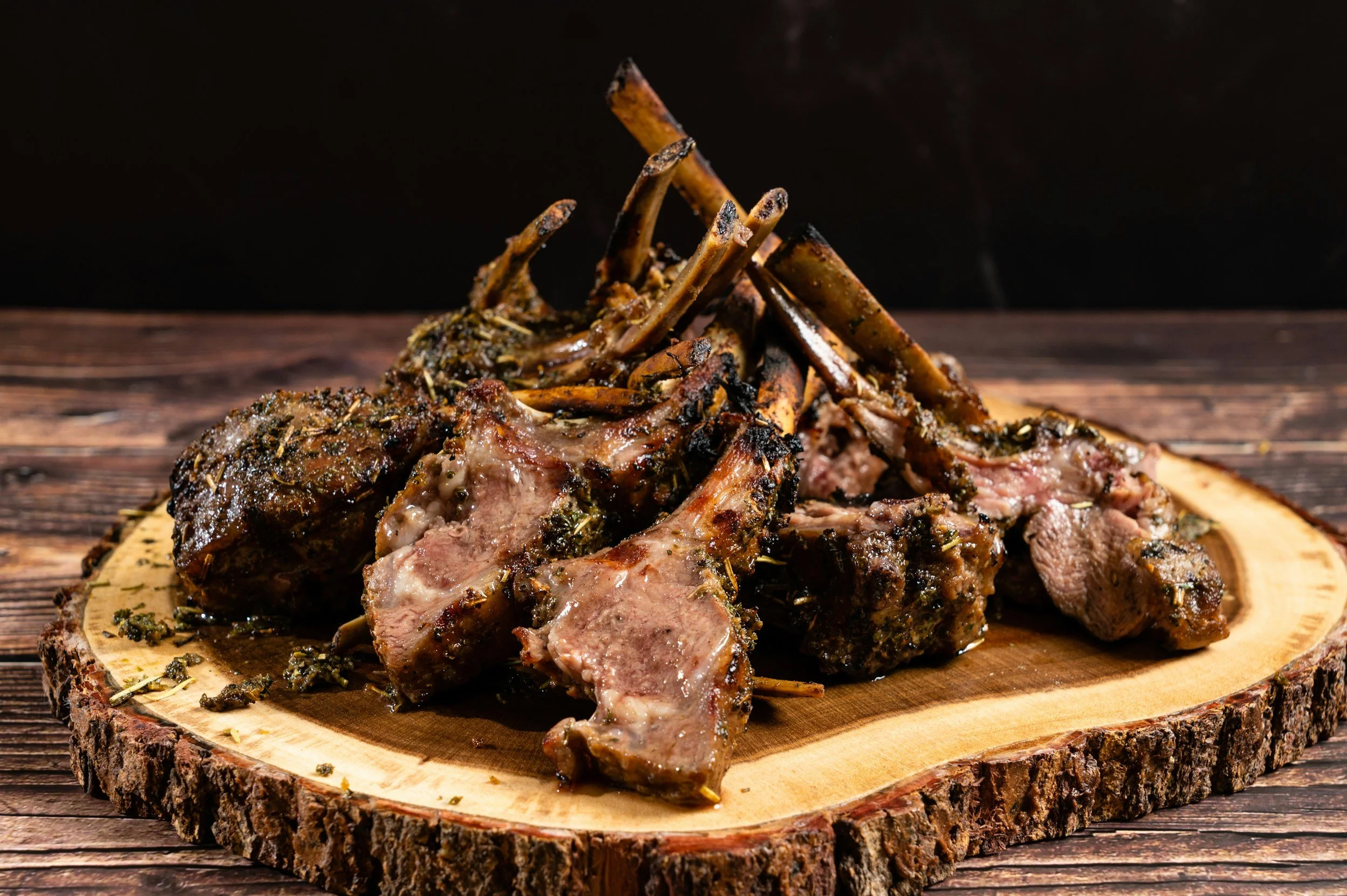
Lamb Chops
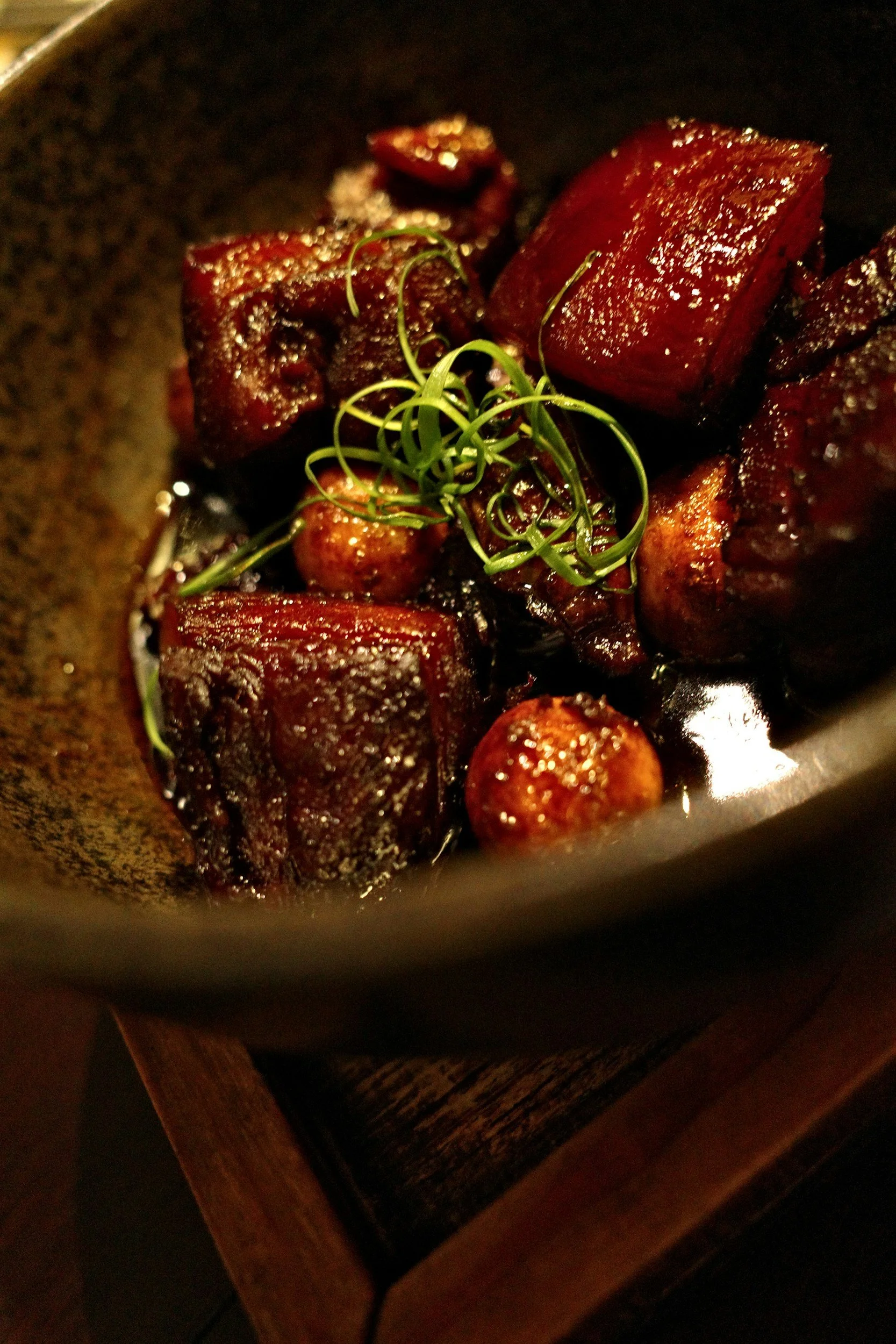
Braised Pork
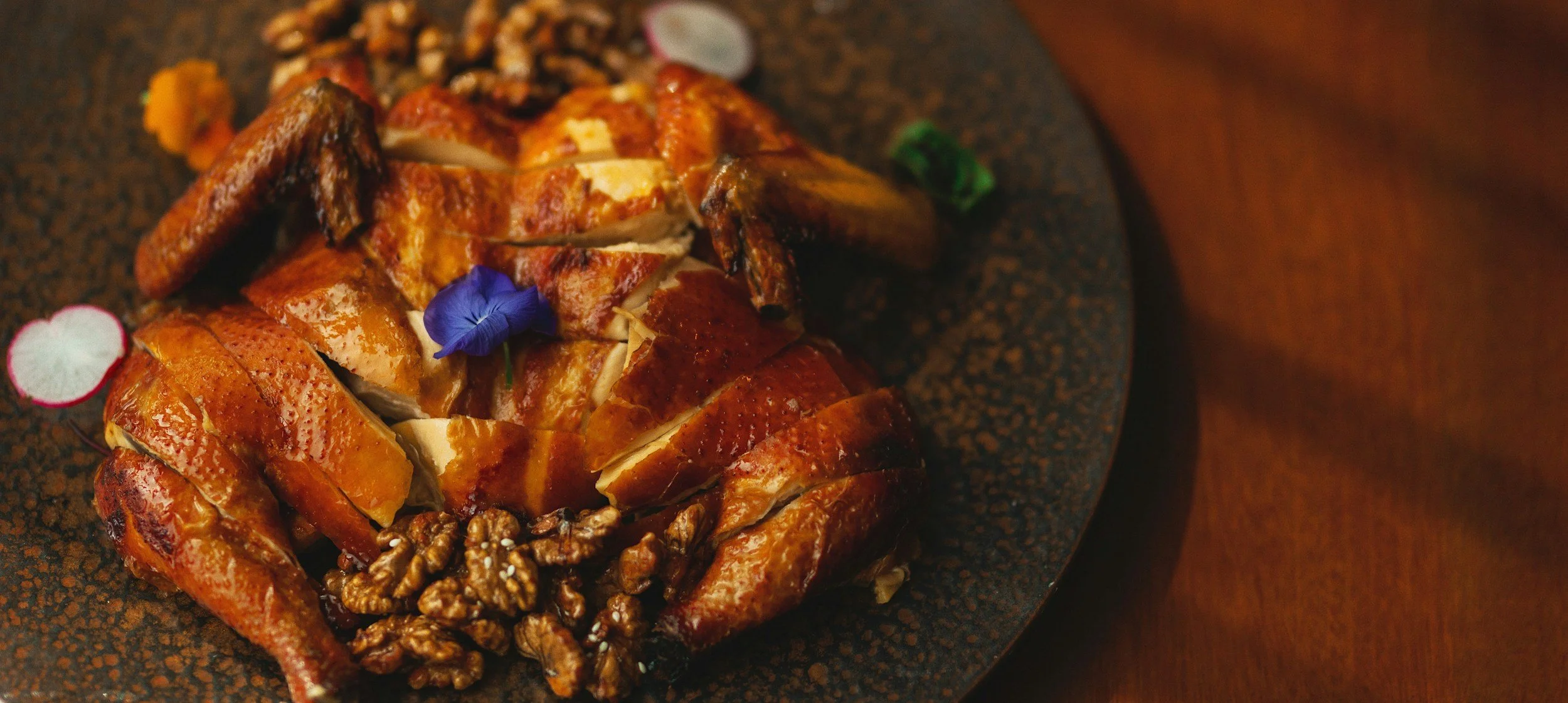
Dark Turkey Meat
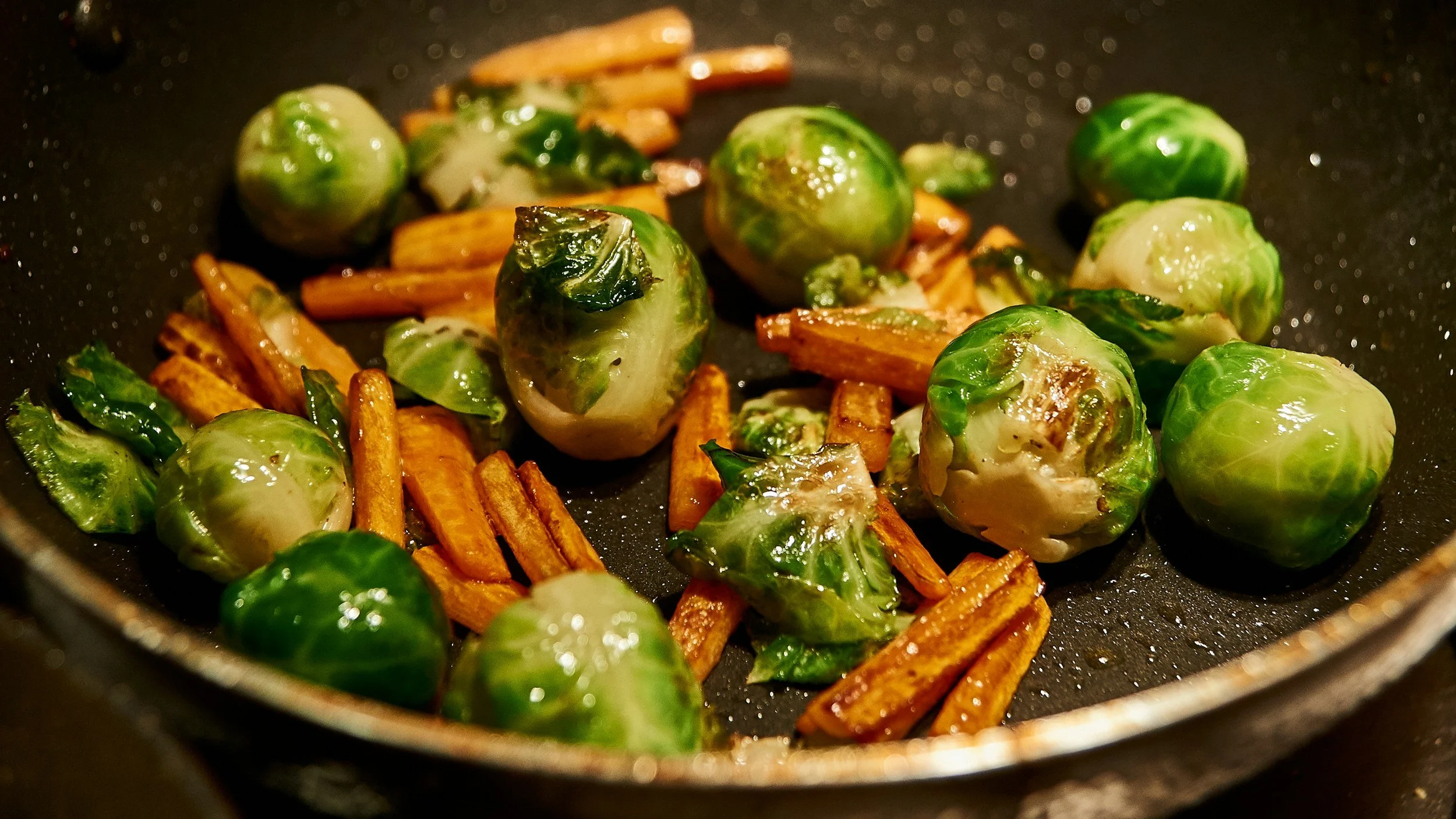
Roasted Vegetables