Pinot Grigio
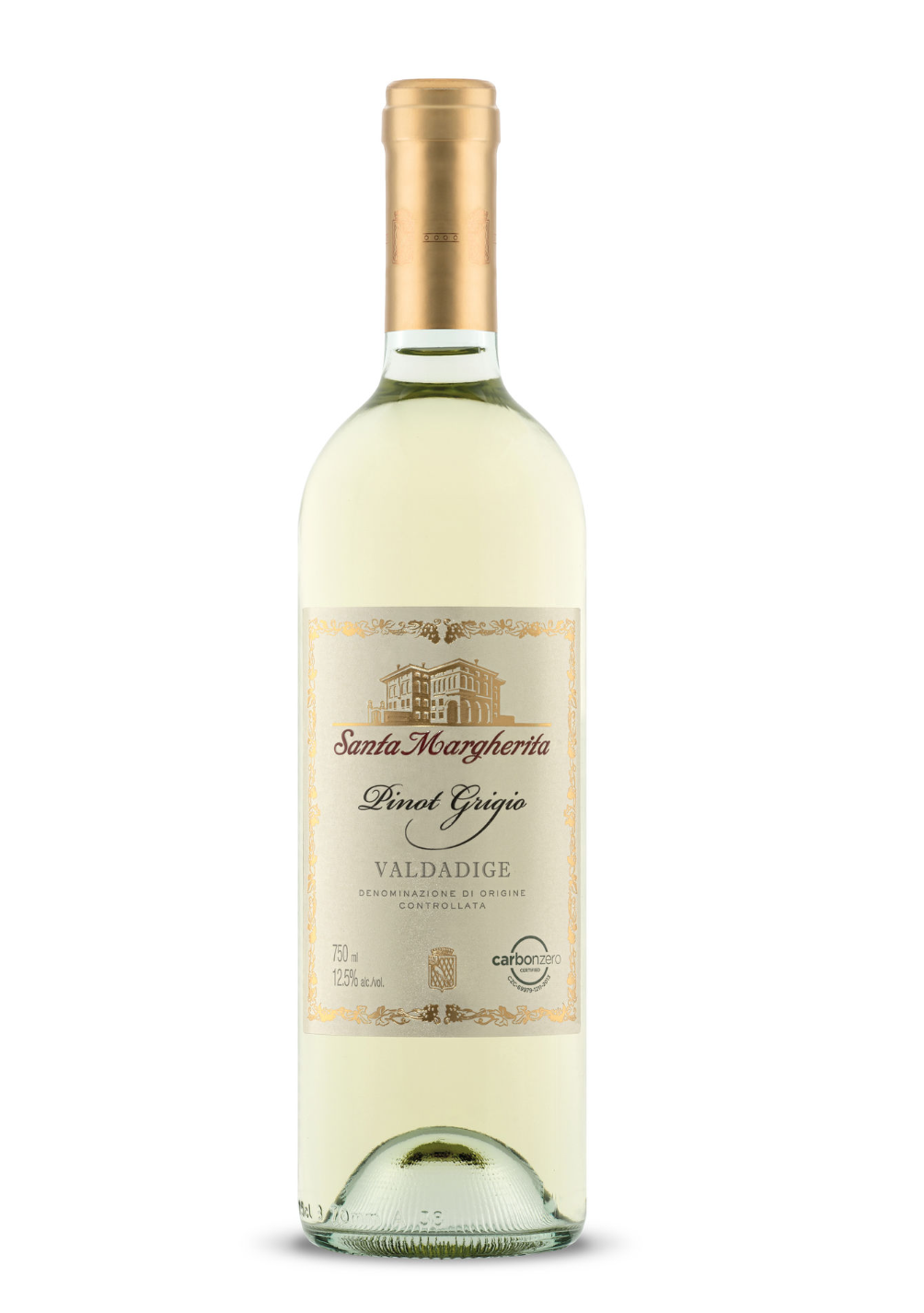
Tasting Notes
Pinot Grigio originally known as Pinot Gris has its roots in Burgundy France and cultivated there since the middle ages. The grape itself is a mutation from the Pinot Noir grape and was likely called Fromenteau 500 years ago. The grape spread to Switzerland and Hungary by 1300. By the 18th century the grape was being cultivated in Switzerland, Hungary, Germany and Northern Italy. In early 1960’s, the Italian Santa Margherita winery pioneered the production of a dry, un-tinted, lighter and less rich version of Pinot Gris calling it Pinot Grigio. The wine has grown in popularity globally since then.
🎯 Overall Character - Pinot Grigio grapes grow in cool or moderate climates hence the crisp refreshing high acidity in the wine. Grown widely in the Veneto region in North East Italy, it is considered a simple wine with lemon and pear flavours. Light bodied and ideal to pair with delicate dishes. Riper styles offer greater complexity and pair well with strongly flavoured foods.
🌼 On the Nose (Aromatics) - Pinot Grigio offers primary aromas of lemon, lime, green apple and pear. In riper styles you will fine aromatic notes of white peach and nectarine. It presents pronounced floral aromas of white flowers, acacia and almond blossom and subtle aromas of wet stone and light flint. Secondary aromas of almond, fresh herbs and subtle honey.
🍏 On the Palate - Pinot Grigio is a light to medium body wine with crisp medium to high acidity and a lean and clean texture. Alcohol volume is considered moderate at 12-13.5%. Fruit expressions include citrus, green apple and pear as well as subtle saline and stony minerality. Riper styles deliver flavours of peach, melon and tropical fruit.
🕰️ Aging Profile - Pinot Grigio is intended to be consumed as a young fresh wine ideally between 1-2 years. The simple fruit flavours tend to fade if aged too long. Premium examples can age upwards of 5 years.
Food Pairing
Pinot Grigio is zesty, citrusy, high‑acid, light‑bodied, and mineral, which makes it a very versatile white wines at the table. It excels with seafood, salads, fresh cheeses, light poultry, and simple pasta dishes.
🐟 1. Seafood & Shellfish - Ideal pairings include Delicate white fish (cod, halibut, sea bass, tilapia), Shrimp & scallops, and most grilled or lightly seasoned fish. Pinot Grigio’s acidity acts like a squeeze of lemon, brightening seafood and cutting through brine.
🥗 2. Salads & Light Vegetable Dishes - Pinot Grigio is excellent with fresh greens and citrus‑driven dressings. Good pairing include Green salads with vinaigrette and Vegetarian dishes with seasonal vegetable. The wine’s citrus and mineral notes mirror the acidity and freshness of salads.
🧀 3. Fresh, Mild Cheeses - Pinot Grigio’s acidity cuts through creamy textures and pair well with Goat cheese, Mozzarella and Feta.
🍗 4. Light Poultry Dishes - Pinot Grigio works well with simple, herb‑driven dishes. Recommended pairing include Light chicken or turkey dishes (grilled, roasted, lemon‑herb). The wine’s subtle fruit and minerality complement delicate poultry flavors.
🍝 5. Light Pasta Dishes - Pinot Grigio pairs best with pasta that avoids heavy cream. Best pairing include Pasta primavera with fresh vegetables, Simple herb or lemon pasta and Seafood pasta.
🌱 6. Vegetarian & Vegan Pairings - Pinot Grigio’s acidity and subtle fruit make it ideal for plant‑based dishes such as Grilled zucchini or roasted asparagus and Vegetable antipasti.
⚠️ What to Avoid - Pinot Grigio’s subtle flavours can be overwhelmed by Heavy cream sauces and Rich red meats.
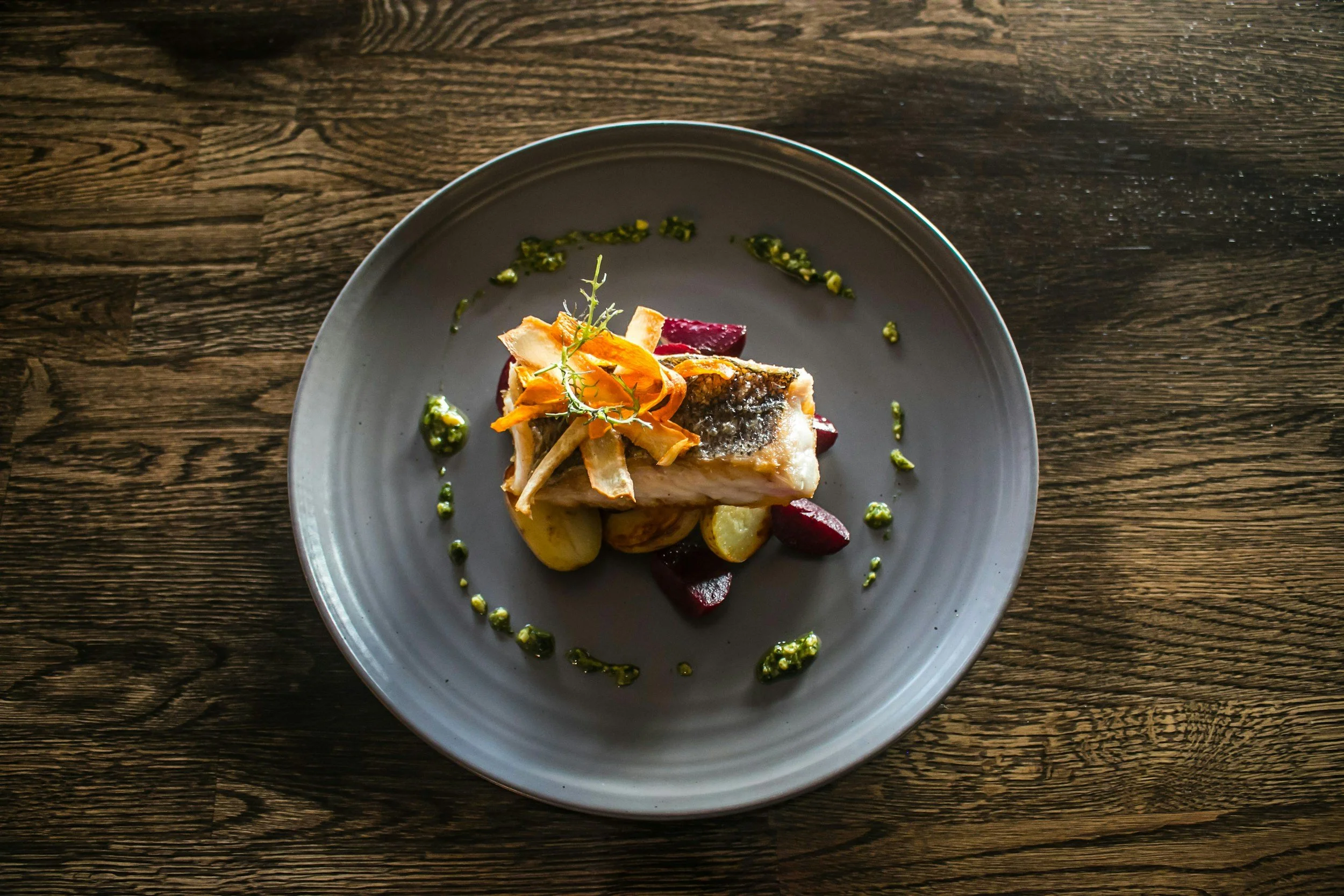
Sea Bass
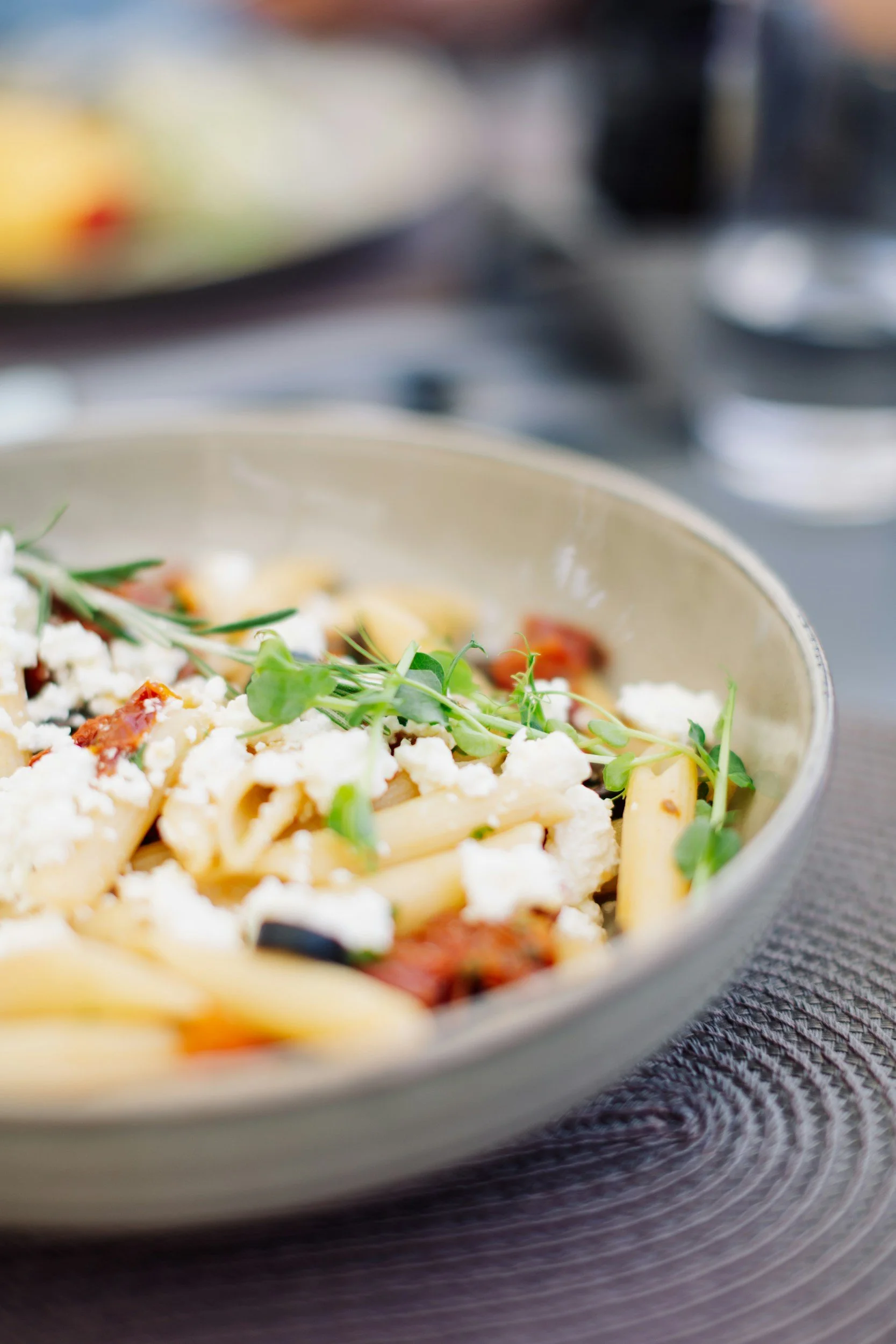
Pasta Primavera
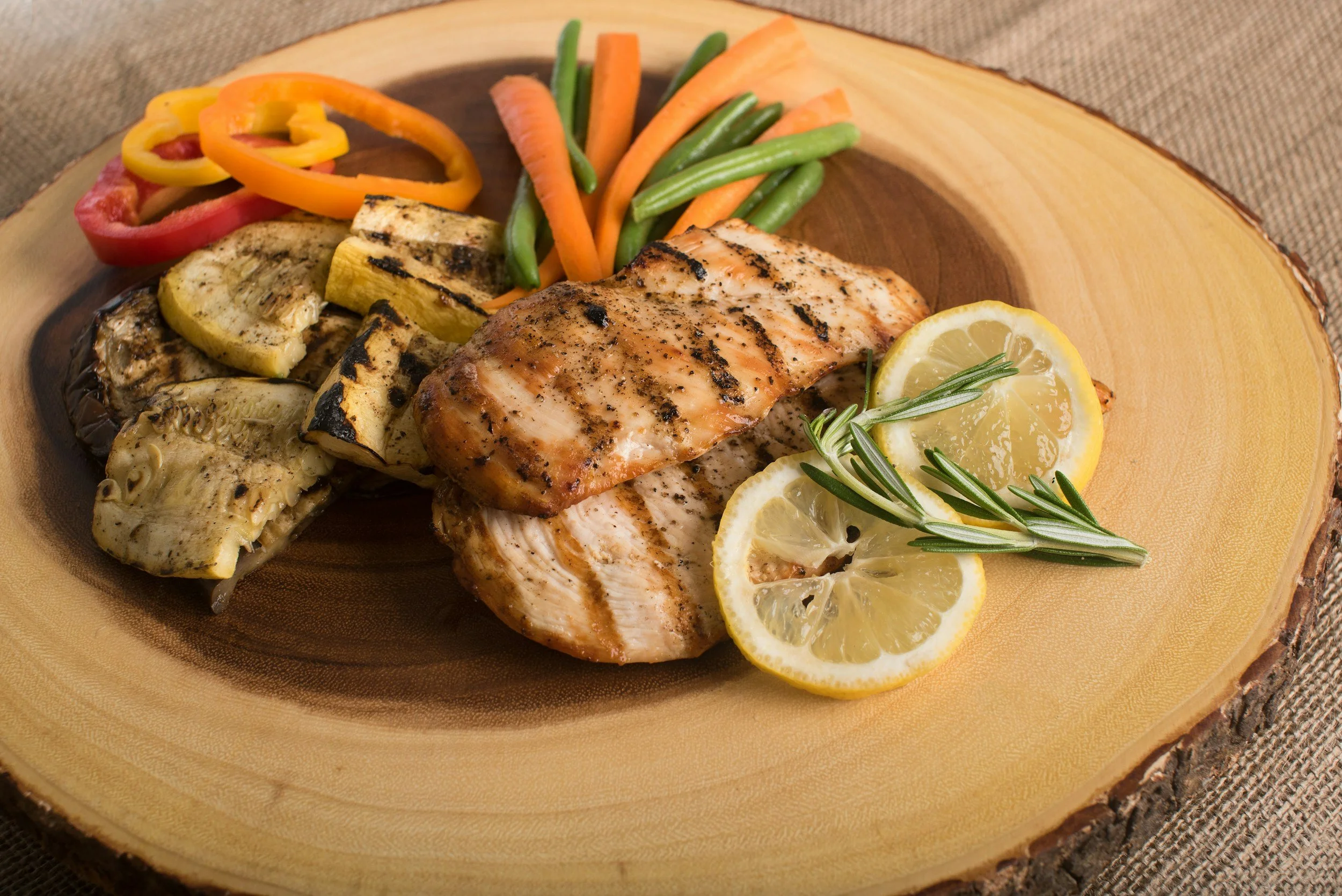
Grilled Chicken
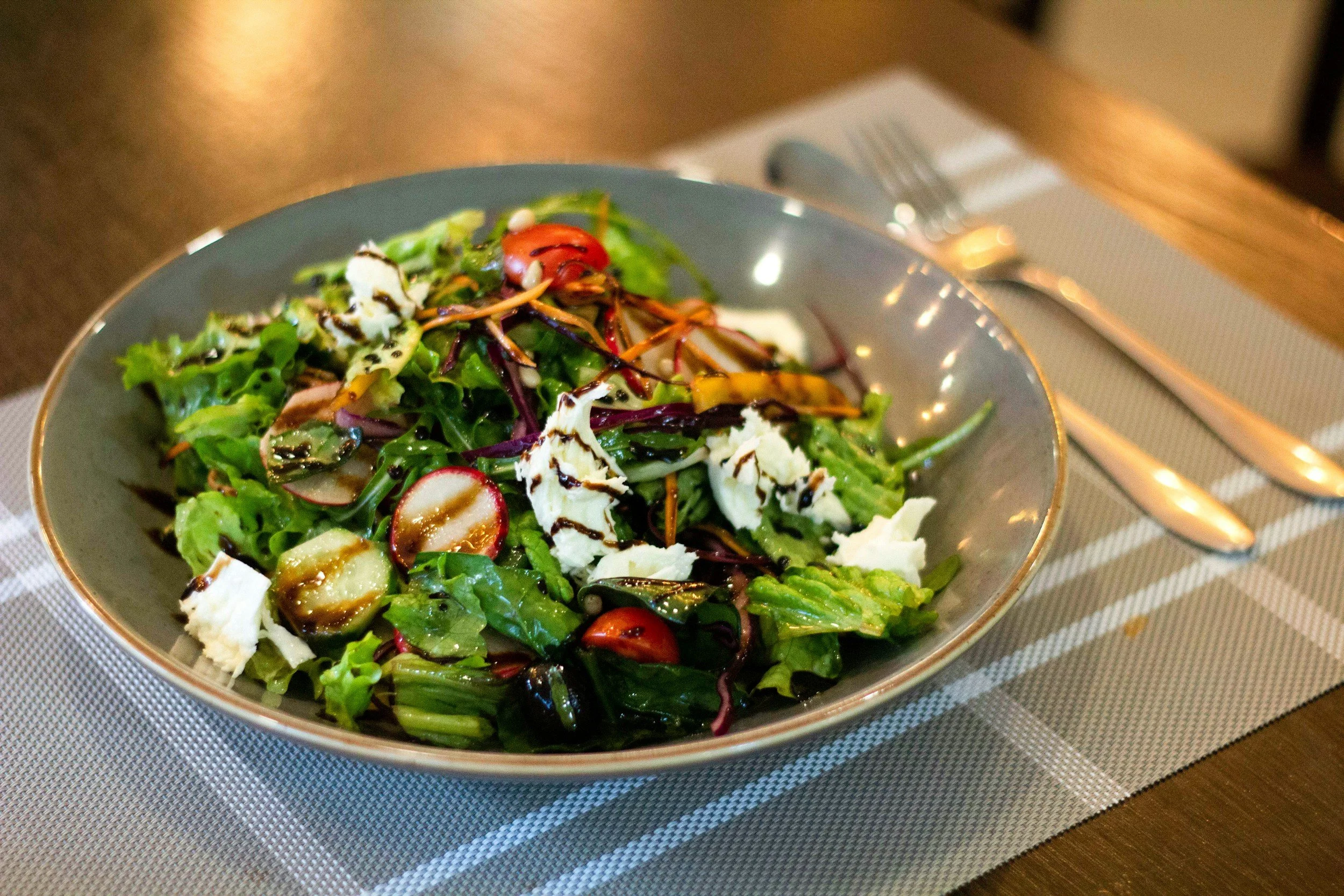
Green Salad