Trebbiano
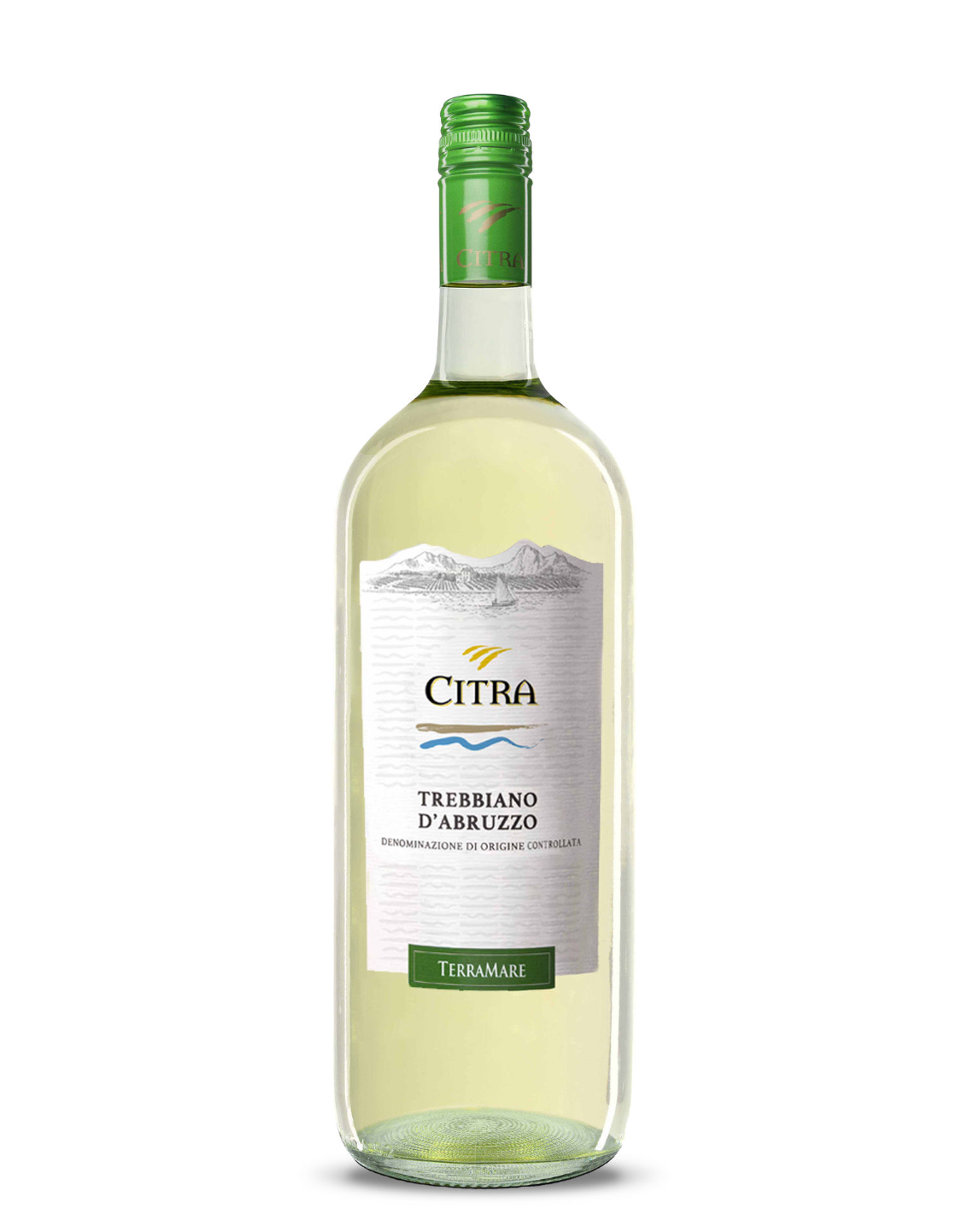
Tasting Notes
The Trebbiano grape has a rich history and is likely to have originated in the Eastern Mediterranean. It is known to have been planted in Greece and North Africa before finding its way to Italy during the Roman Empire era. Trebbiano is now a popular grape in Italy and one of the most widely planted grape varieties in the world. It is known as Ugni Blanc or Clairette Ronde in France, Thalia in Portugal and White Hermitage in Australia. Along with the production of Trebbiano wine, the grape is used in Brandy production, is the most common grape variety in Cognac and used to produce balsamic vinegar. Trebbiano wine is known for its freshness and clean, food‑friendly structure.
🎯 Overall Character - Trebbiano has a crisp and refreshing feel, with notes of citrus fruits such as lemon and lime and orchard fruit notes of green apples and white peach. It also features mineral undertones such as chalky or saline qualities. It is a light body wine that pairs well with light dishes, seafood and Mediterranean fare.
🌼 On the Nose (Aromatics) - Trebbiano is typically delicate and fresh, with purity rather than intensity. It offers Primary Citrus aromas of lemon zest, lime and grapefruit along with orchard fruit aromas of green apple, pear and quince. The grape delivers floral fragrances of white flowers, chamomile and acacia. It has herbal notes of fresh basil, fennel and almond leaf with subtle mineral aromas of chalk, flint and saline. Secondary aromas include almond skin, light honey and subtle brioche from lees aging.
🍏 On the Palate - Trebbiano wine is light to medium body with medium to high acidity and a clean and crisp texture. Alcohol levels are moderate typically between 11-13%. Fruit flavours offered are lemon, green apple and pear with riper styles presenting flavours of peach, melon and tropical fruit. There are notes of saline and stone. The wine often shows a subtle bitter almond note on the finish.
🕰️ Aging Profile - Trebbiano is intended to be consumed as a young wine to take advantage of its fruit flavours and delicate nature. After 2 years, the fruitiness of the wine begins to diminish.
Food Pairing
Trebbiano (especially Trebbiano d’Abruzzo) is a light‑bodied wine that is citrusy, high‑acidity and fresh. It has notes of white peach, lemon, green apple and almond. Trebbiano loves creamy, cheesy pasta dishes and Its acidity makes it ideal for light, fresh Mediterranean foods.
🍝 1. Pasta Dishes - Ideal pairings include FettuccineAlfredo, Shrimp Alfredo, Pasta with Pecorino and Vegetarian Tortellini. Trebbiano’s bright acidity cuts through creamy sauces and salty Pecorino.
🧀 2. Aged Italian Cheeses - Trebbiano pairs beautifully with salty, nutty cheeses. Ideal pairings include Pecorino , Parmigiano-Reggiano and Grana Padano. The wines’s acidity plus citrus notes refresh the palate and complement salty, umami‑rich cheese.
🥗 3. Light, Fresh Mediterranean Dishes - Trebbiano’s citrus and green‑apple profile makes it ideal for simple, fresh plates such as Fresh salads, Vegetable antipasti and herb driven dishes.
🐟 4. Light / Delicate Seafood - Grilled white fish, Shrimp with lemon and herbs, Seafood pasta. Citrus and minerality act like a squeeze of lemon.
🍋 5. Citrus‑Driven Dishes - Trebbiano often shows white peach, lemon, and green apple notes, making it a natural partner for dishes with citrus accents. Best matches include Lemon‑herb chicken, Zucchini with lemon and olive oil or a Light risotto with citrus zest.
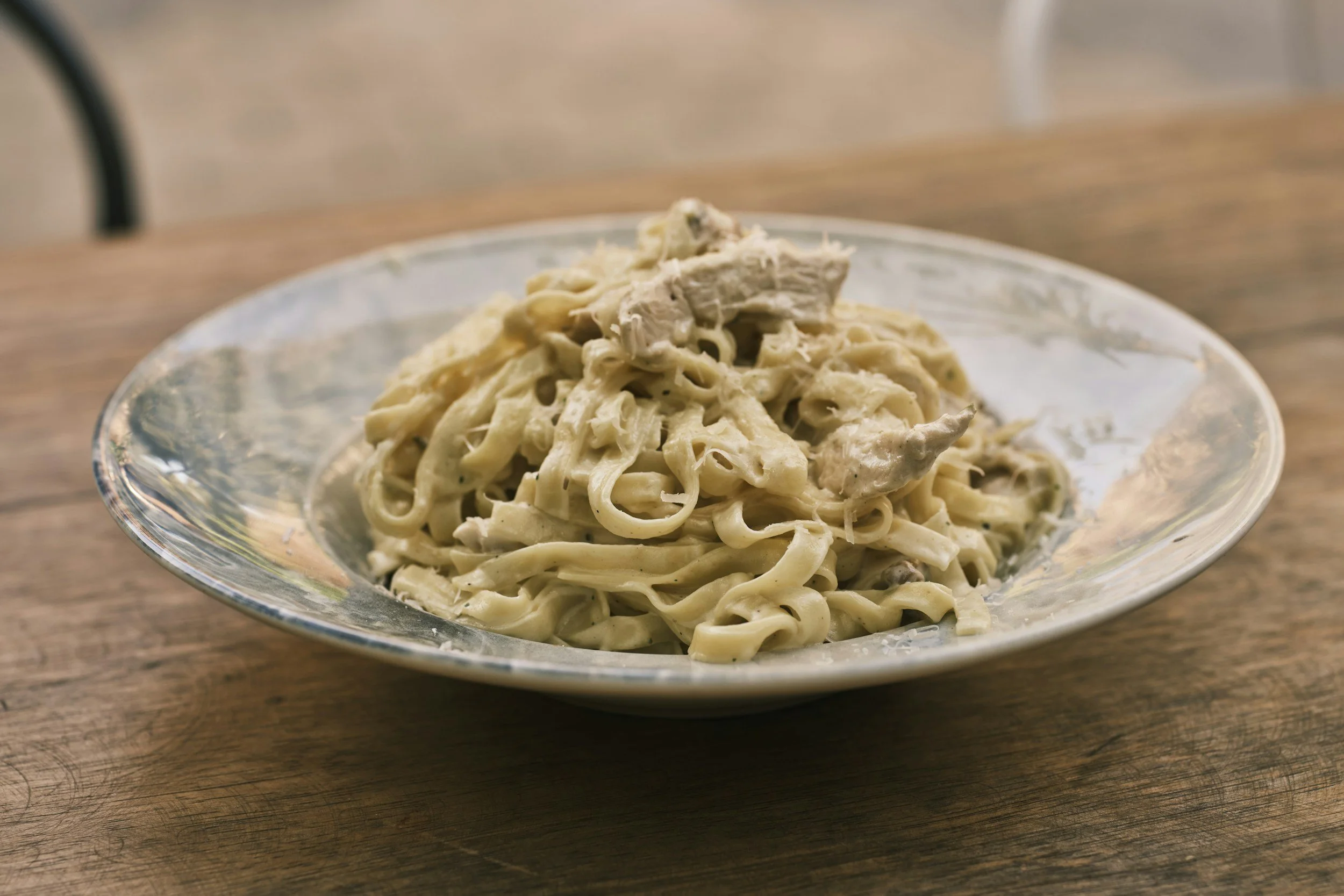
Fettuccine Alfredo
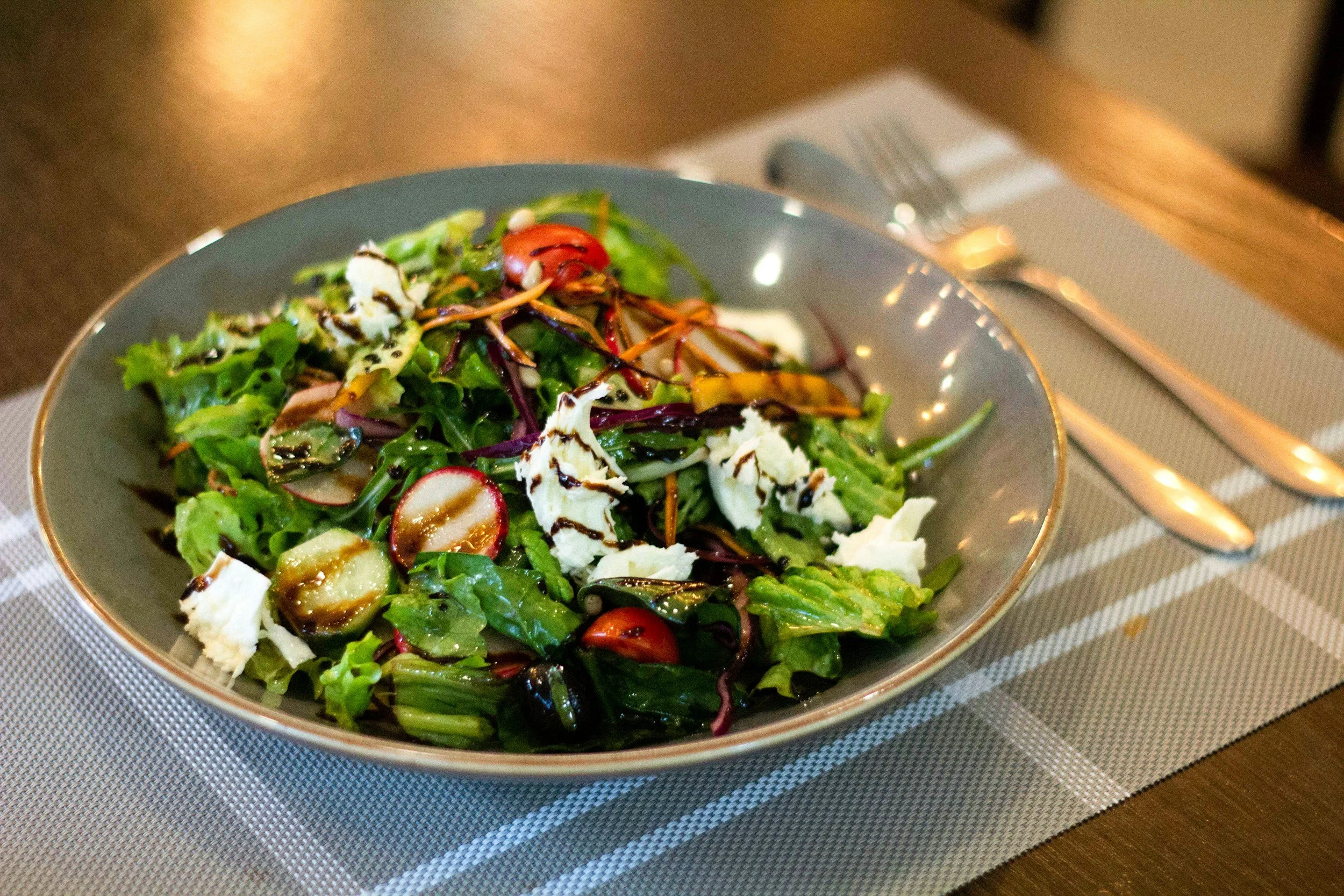
Green Salad
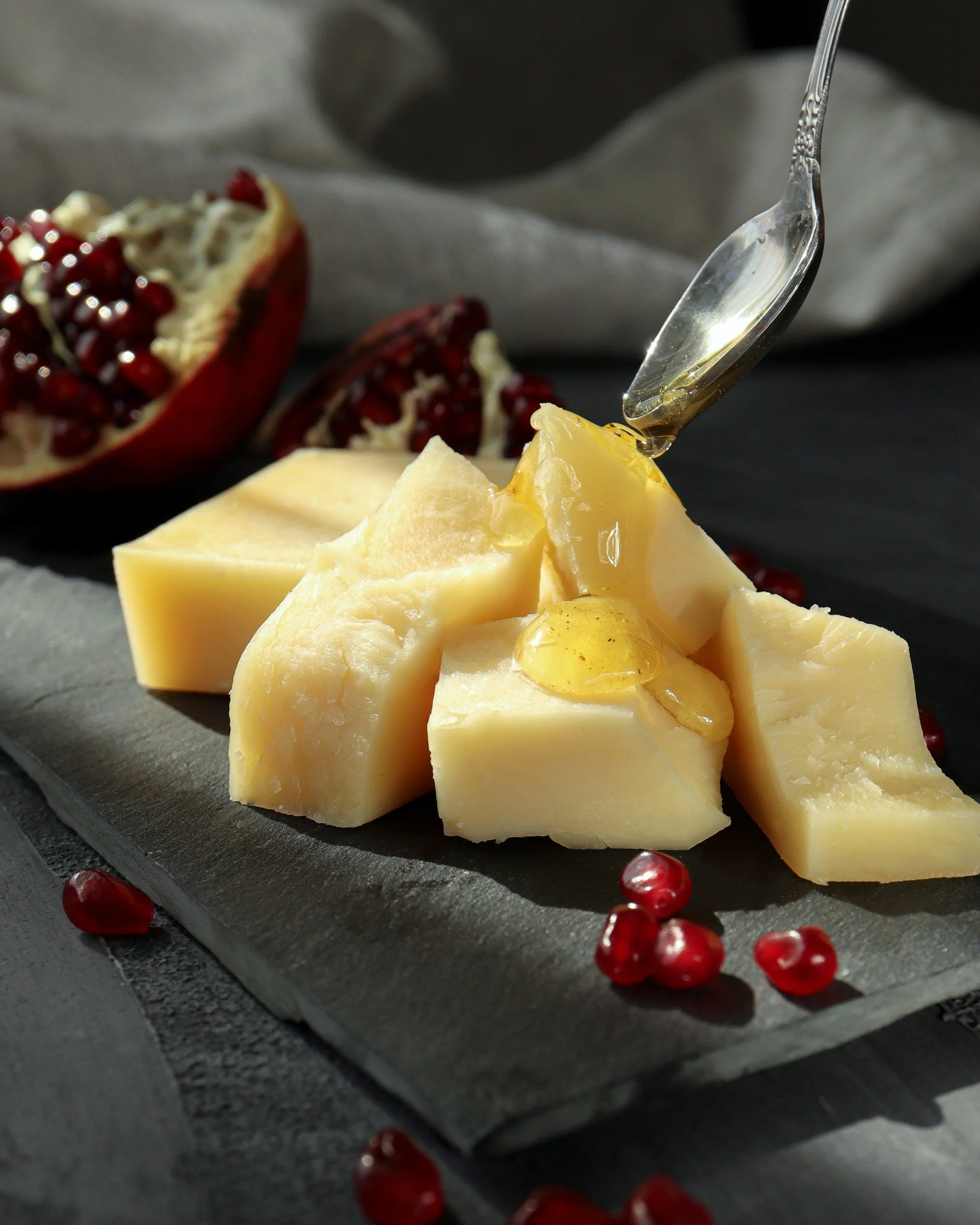
Parmigiano or Pecorino Cheese
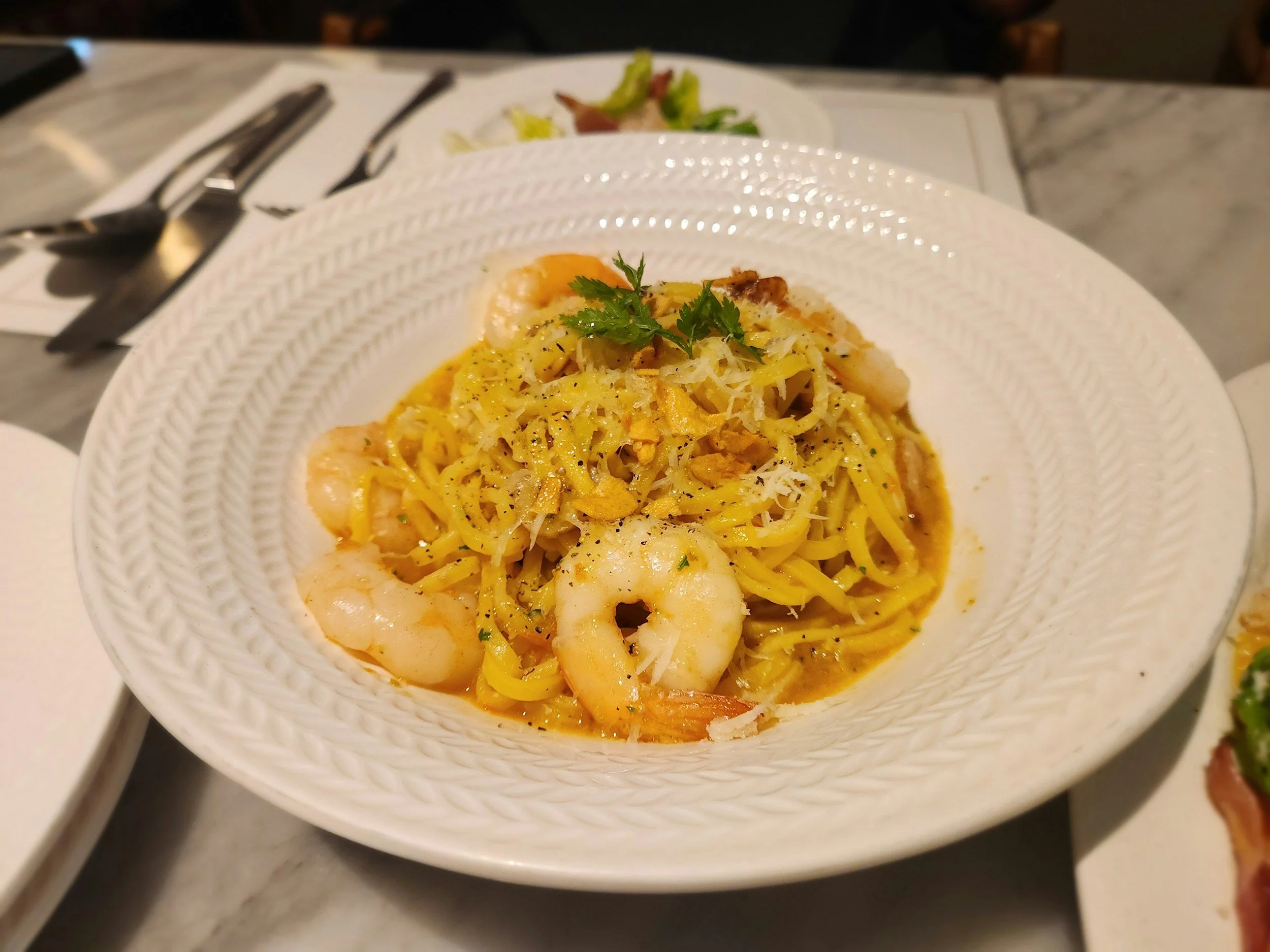
Seafood Pasta