Verdicchio
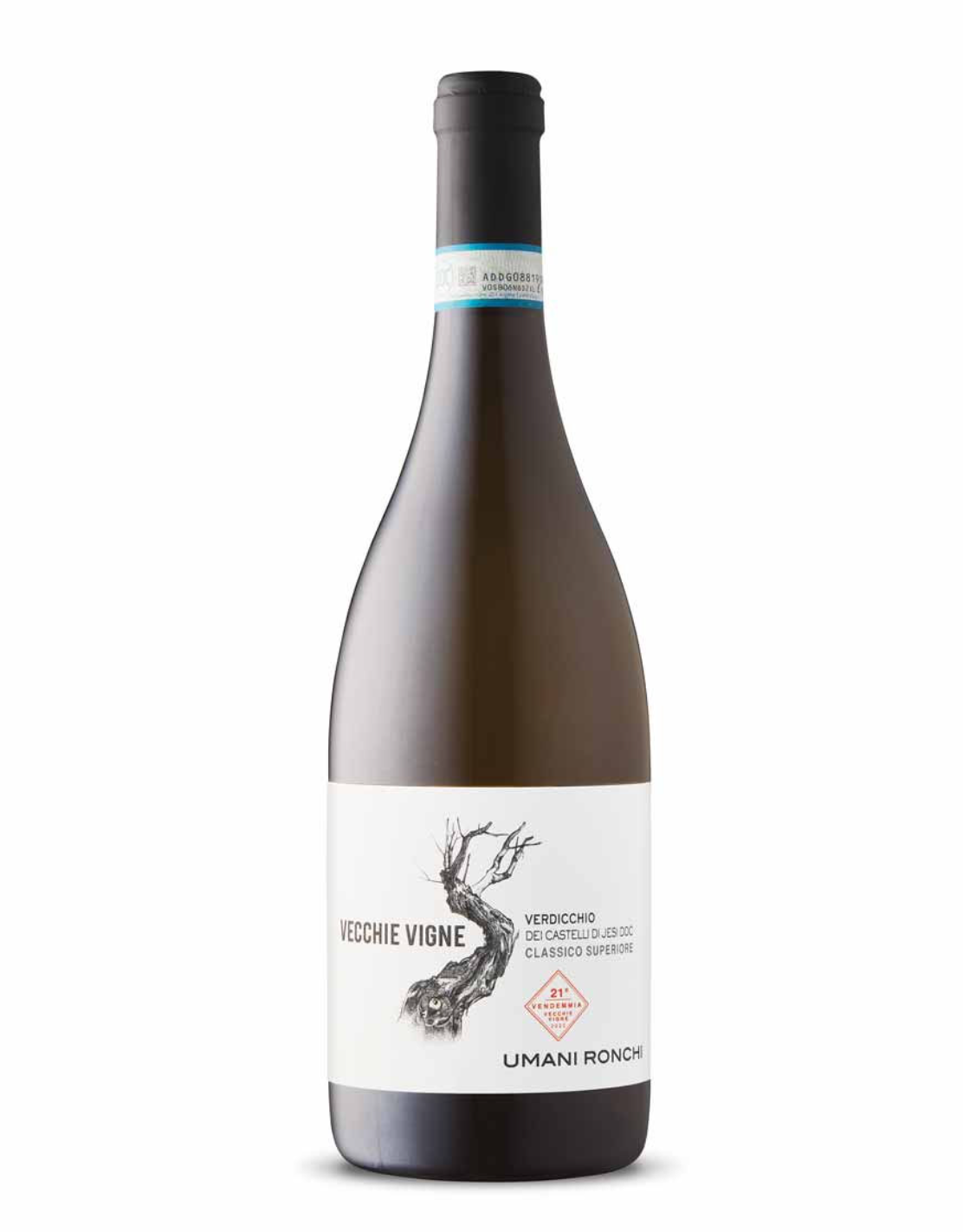
Tasting Notes
Verdicchio wine has been cultivated in the Marche region of central Italy since the 14th century. Genetically related to Trebbiano and Greco, Verdicchio can be made in the still or sparkling style. The wine is known for its green/yellow hue, which is reflected in the wines made from the grape. It is one of Italy’s most underrated but expressive white wines.
🎯 Overall Character - Verdicchio wines are known for their bright acidity, complex aromas, and versatility. They typically have a distinctive straw yellow colour with greenish reflections, a silky, sometimes oily texture, and a distinctive almond finish. With citrus fruit, orchard fruit, floral and herbal notes, this wine is a standout choice among Italian white wines.
🌼 On the Nose (Aromatics) - Verdicchio is subtle yet complex, with a mix of citrus, florals, and a signature almond note. Primary aromas include lemon zest, lime, mandarin, green apple, pear and quince. In riper examples, white peach notes are present. Verdicchio offers a strong floral fragrance of chamomile, acacia and white flowers and herbal notes of fennel, sage and wild herbs with a saline minerality. Secondary Aromas present are Almond, marzipan (a hallmark of Verdicchio), Honey, hay (in riper or aged wines) and Light brioche or pastry from lees aging.
🍏 On the Palate - Verdicchio is a medium body wine with medium to high refreshing acidity and moderate alcohol levels typically between 12-13.5% ABV. In younger wines, Verdicchio presents fruit flavours of lemon, green apple and pear. In riper wines, fruit flavours of peach, melon and citrus oil. It is complemented with it saline and sometimes stony or lightly smoked minerality with a silky and sometimes waxy texture. Verdicchio often shows a distinct almond‑skin bitterness on the finish which is an key quality marker for this wine.
🌍 Regional Style Differences
Verdicchio del Castelli di Jesi – Fresher, citrus driven, floral, elegant and minerality
Verdicchio di Matelica - Grapes grown at a higher altitude. Wine has more structure, minerality and intensity. Citrus flavours are complemented with herbal notes.
Classico Superiore / Riserva – More concentration of aromas and flavours, Notes of honey, almond and peach. Is age worthy.
Spumante (Sparkling) –Crisp, citrusy, minerality and excellent acidity for the bubbles
🕰️ Aging Profile - Verdicchio wines have good aging potential due to their structure and acidity. They can age over 5 years and higher quality Verdicchio can age for up to 20 years. As they age, they develop richer flavors and aromas, including honey and yellow fruit jams.
Food Pairing
Verdicchio is one of Italy’s most versatile whites. It is fresh, citrusy, herbal, almond‑tinged, and mineral. Due to its regional and fermentation differences, food pairing differs.
Fresh Dry Verdicchio is best with seafood, salads and light pastas.
Verdicchio Superiore / Riserva is best with poultry, veal, vegetables and truffle dishes.
Verdicchio Spumante (sparkling) is best with antipasti, fried foods and shellfish.
🐟 1. Fresh, Young Verdicchio (Light, Citrusy, Herbal) - Pairs best with Mussels, Prawns, Grilled fish, Summer salads & starters such as Caprese, Vitello tonnato and Antipasti, Light pasta & risotto such as Spaghetti alle vongole, and Lemon risotto. The wine’s high acidity plus its citrus flavours and minerality is ideal for delicate seafood and fresh Mediterranean dishes.
🍗 2. Verdicchio Superiore / Riserva (Structured, Creamy, Mineral) - Pairs best with Veal, Chicken, Rabbit, Mediterranean vegetable dishes (oven vegetables, mushrooms, artichokes), Mature cheese (Pecorino, Parmigiano and Truffle dishes (Truffle risotto). More structure and creaminess allow the wine to stand up to richer proteins and umami‑heavy dishes.
🍾 3. Verdicchio Spumante (Sparkling) - Ideal pairing include Antipasti & canapés (bruschetta, olives, fried zucchini flowers), Fish & shellfish (prawns, oysters, carpaccio), and Fresh summer cuisine (insalata di mare, crostini). The bubbles in the wine plus the acidity is ideal for fried foods, briny shellfish, and salty snacks.
🍄 4. Truffle & Mushroom Dishes - Good pairing include Truffle pasta dishes, Mushroom ravioli and Porcini gnocchi or risotto. The wine’s slight oiliness and acidity complement earthy, aromatic truffle dishes.
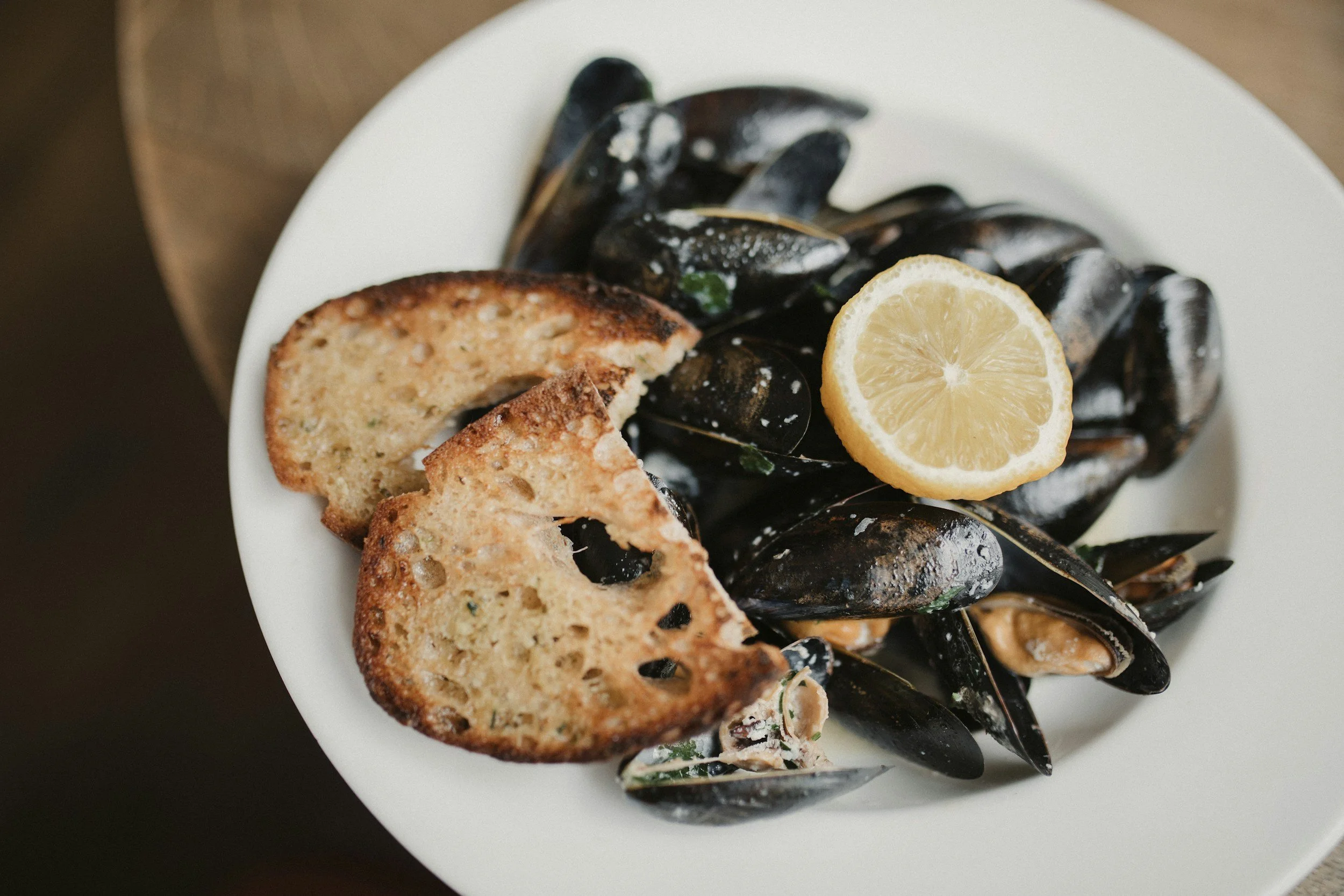
Mussels
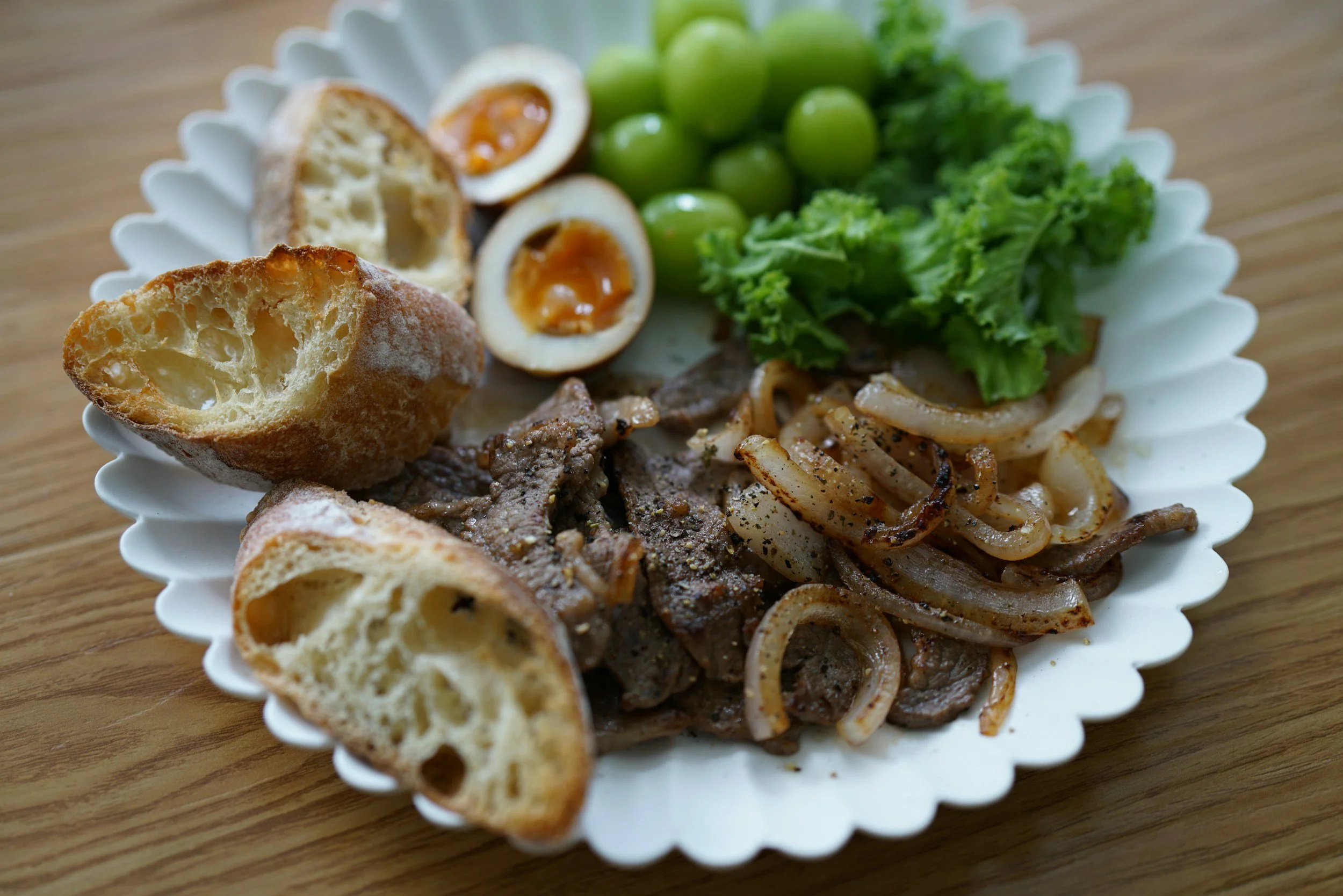
Veal
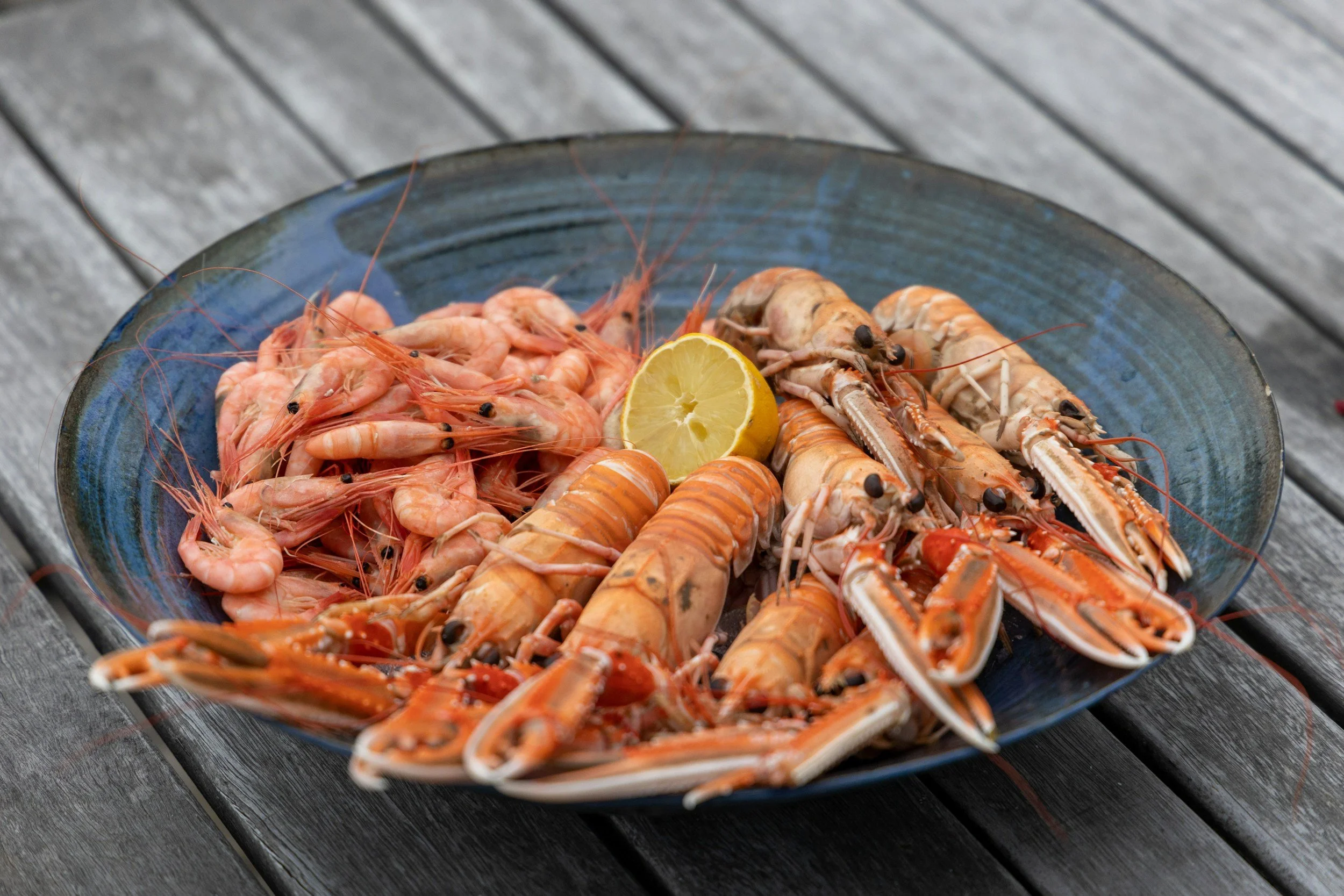
Prawns
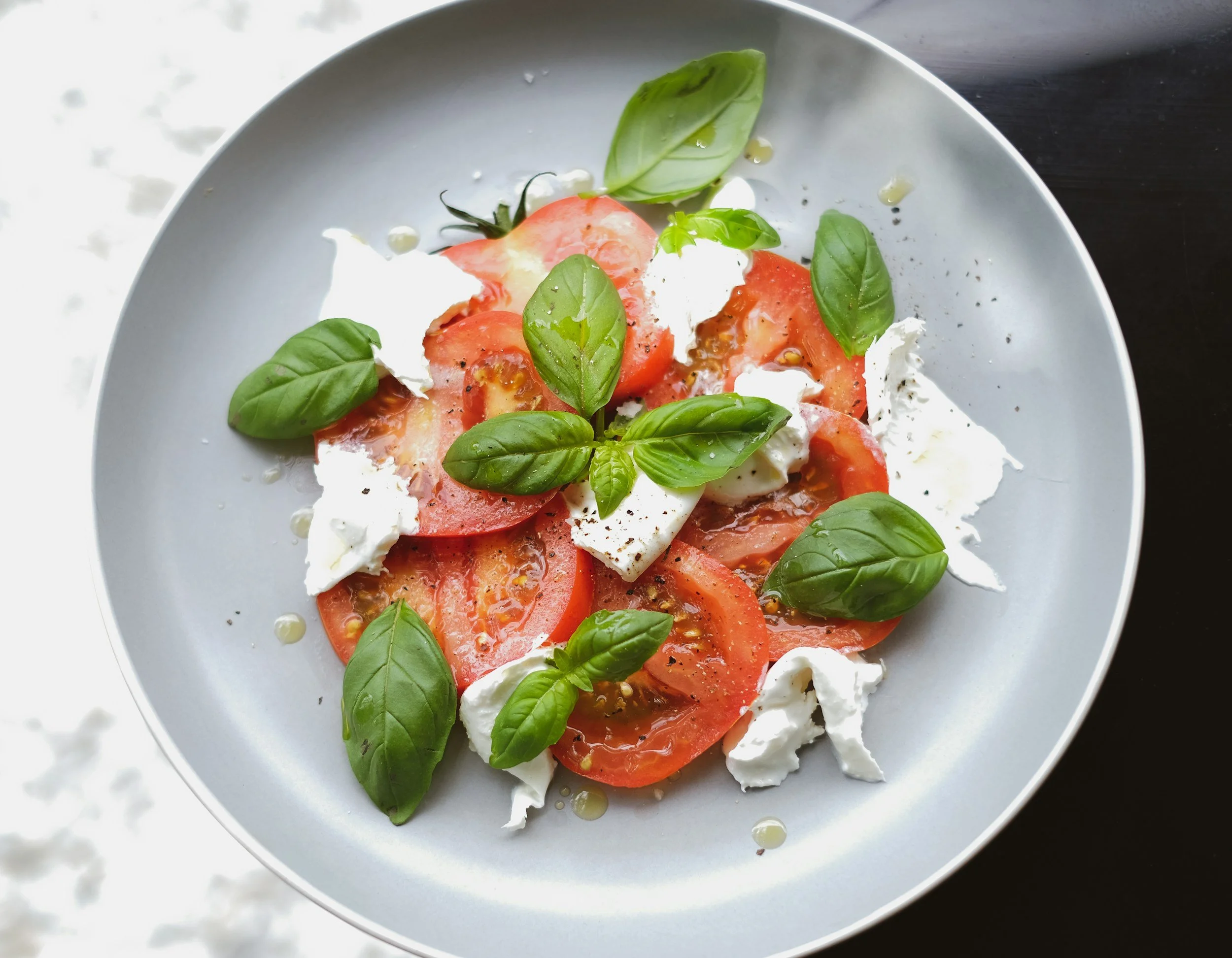
Caprese Salad