Emerging Markets and Opportunity Landscape



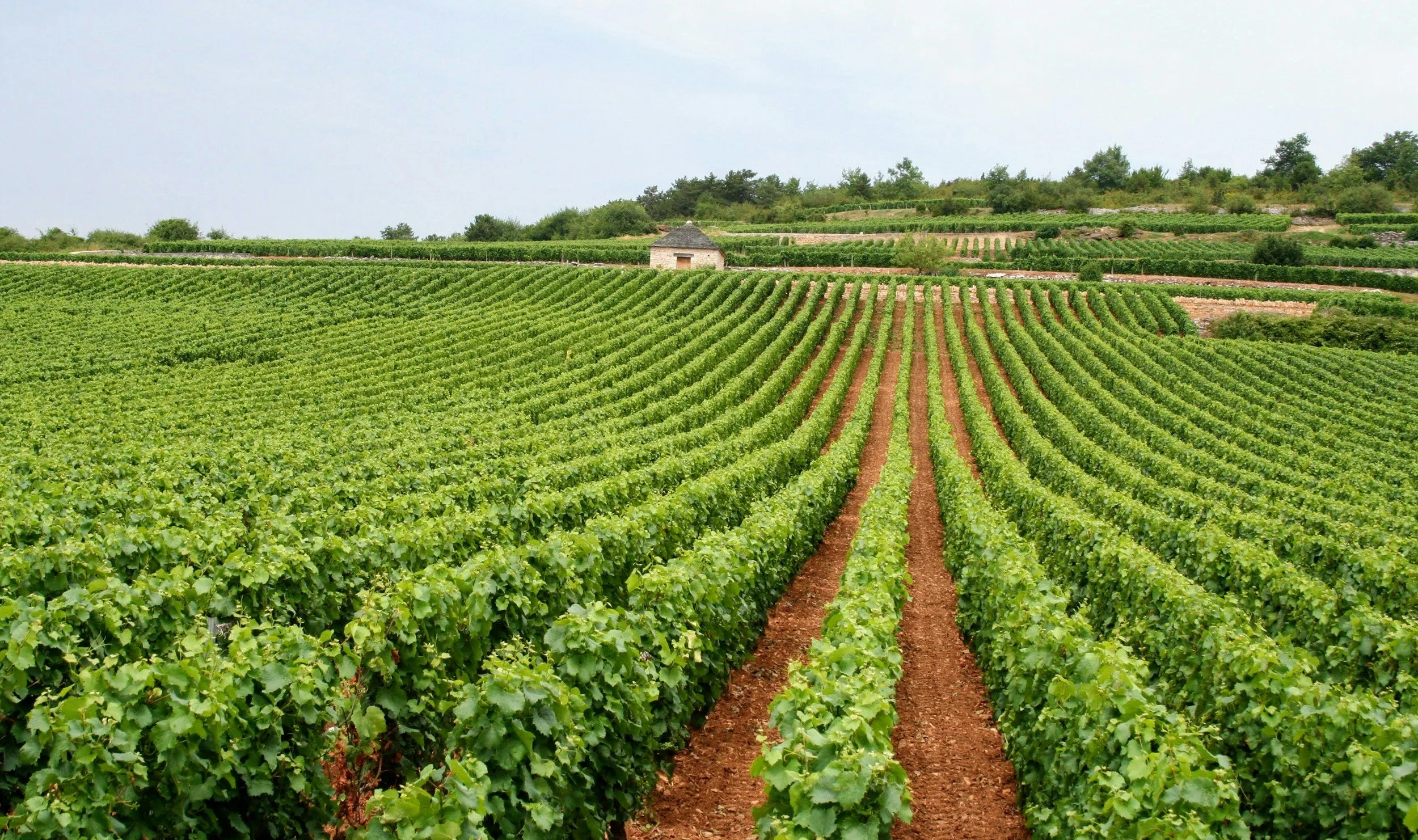
Stitching together key data points from vineyard surface area, wine production, and wine consumption data sets to understand global long‑term structural trends and identify growth opportunities for producers and importers. These three datasets form the core “supply–capacity–demand” triangle critical for the analysis.
Emerging Markets
Emerging wine markets today fall into 2 major categories:
New production regions driven by climate shifts and investment
UK, Scandinavia, Romania, Georgia, Brazil, Uruguay, China, Japan
New consumption markets driven by rising middle class demand
China, South Korea, Vietnam, India, Mexico, Kenya, UAE
Other global trends driving production / consumption:
Sustainability, online sales, premiumization, tourism
New production regions
*driven by climate shifts and investment


Analysis
Climate change, shifting varietal suitability, and global investment are pushing new regions into relevance. Key themes include adaptation to heat, water stress, and new grape varieties.
Northern & High‑Altitude Europe - Warming temperatures are making previously marginal regions viable
UK – Sparkling wine boom; expanding acreage and rising global recognition
Belgium & Netherlands – Cool‑climate whites and sparkling styles gaining traction
Scandinavia (Denmark, Sweden) – Early‑stage but accelerating due to climate suitability
B. Eastern Europe (Quality Renaissance) - Growing investment + improved viticulture + strong value positioning
Romania – Large production base, improving quality, competitive pricing
Moldova & Georgia – Heritage varieties + export‑driven modernization
Hungary – Beyond Tokaji, dry whites and reds gaining global attention
Asia-Pacific Producers - Domestic demand + government support
China – Production stabilizing but premiumization increasing; Ningxia remains the flagship
Japan – Koshu and Japanese Merlot gaining international recognition
Thailand & India – Tropical viticulture innovations; niche but growing
South America (Beyond Chile & Argentina) - Climate resilience + diversification
Brazil – Sparkling wines improving rapidly; Serra Gaúcha expanding
Uruguay – Tannat-driven premium niche with rising exports
Peru – Historically Pisco-focused, now expanding table-wine quality
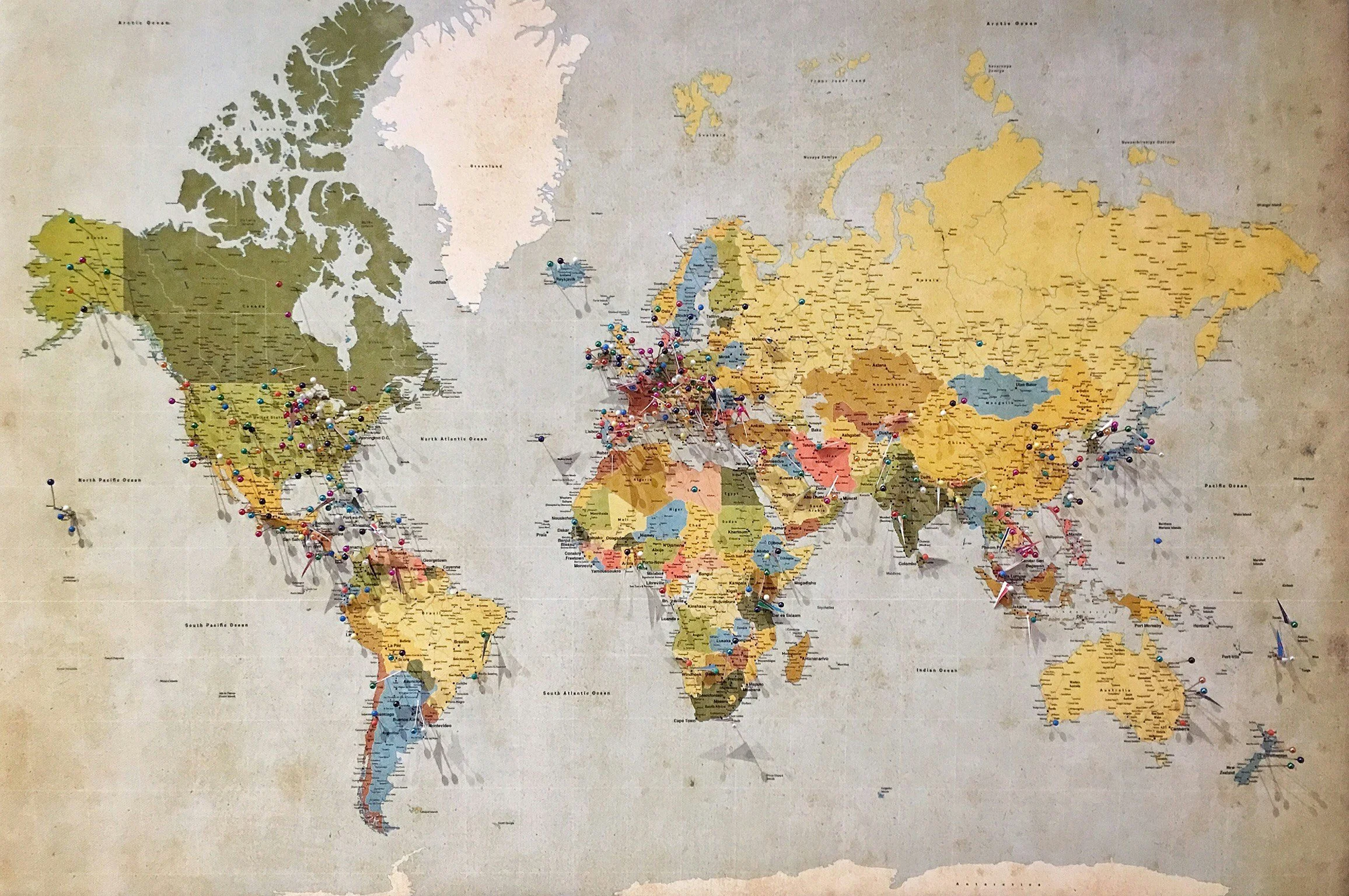
*driven by rising middle class demand
New consumption markets



Analysis
Global demand is shifting toward Asia and younger, experience‑driven consumers. This growth in developing regions is offsetting slower consumption in traditional markets (Europe, North America, Australia)
Asia-Pacific (Fastest Growth Region) - Rising middle class + premiumization + digital access
China – Still the largest Asian wine market; demand shifting to premium and imported wines.
South Korea – One of the fastest-growing import markets; strong interest in premium wines
Japan – Stable but premium-focused; strong sparkling and white-wine demand
Vietnam & Philippines – Rapid growth from a low base; young consumers driving imports
India - Young demographics + rising disposable income.
Wine consumption growing faster than beer/spirits in urban centers - Strong demand for approachable, fruit-forward styles
Africa - Urbanization + retail modernization
Kenya, Nigeria, Ghana – Expanding middle class; imported wines gaining traction
South Africa – Domestic consumption rising alongside tourism
Latin America - Growing interest in premium imports
Mexico – One of the strongest growth markets in the Americas
Colombia & Peru – Rising wine culture, especially among younger consumers
Middle East (Selective but High-Value)
UAE – Tourism-driven premium consumption
Israel – Strong domestic market + boutique production
Other global trends driving production / consumption

Analysis
Premiumization continues, especially among millennials and Gen Z (Premiumization is the shift in consumer behavior toward buying fewer but better products of higher quality eg. a $25 bottle small batch wine vs. a $12 mass brand wine)
Online wine sales and subscription models are expanding rapidly (35% of purchases online)
Sustainable and organic wines are gaining share globally
Experience-driven consumption (wine tourism, virtual tastings) is expanding worldwide